Saudi Tankers Divert Red Sea Route Amid Houthi Threats
By Business Desk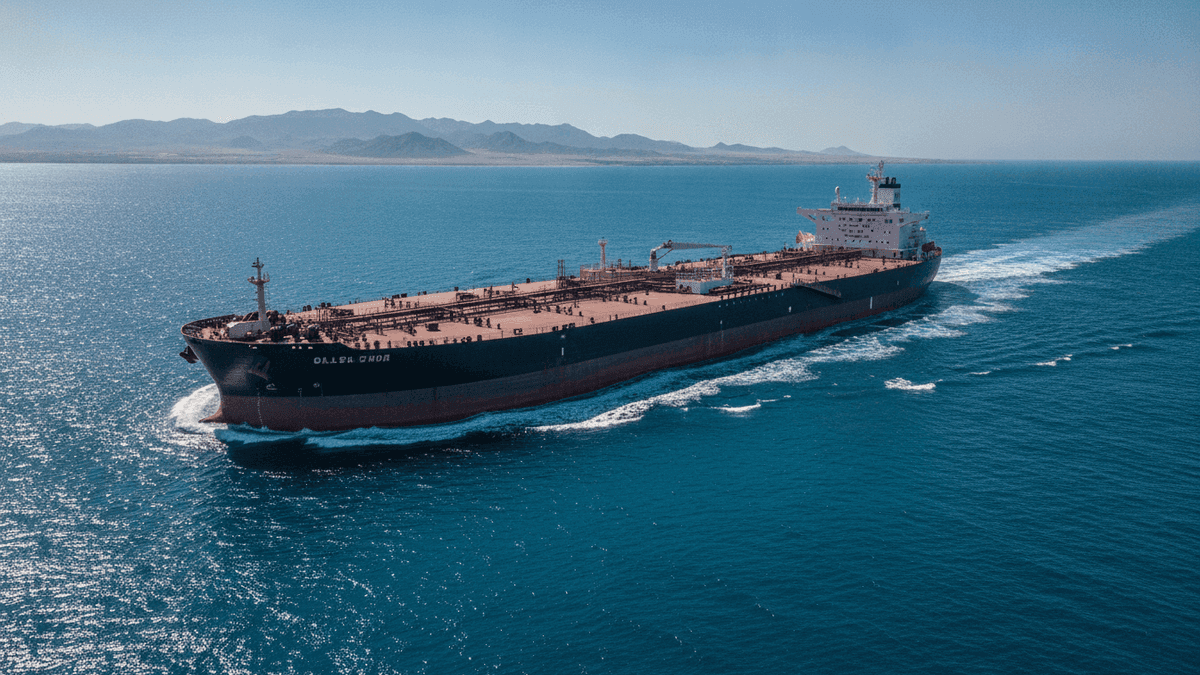
Three Saudi crude tankers rerouted from the Red Sea to Suez Canal due to Houthi threats, impacting global energy supply chains and increasing war-risk insurance.
Three Saudi Arabian crude oil tankers destined for China and India reversed course on Tuesday in the Red Sea, opting for the Suez Canal route. This significant diversion follows explicit warnings from Yemen’s Iran-aligned Houthi militia, signaling a new layer of disruption to global shipping.
The Houthi militia had previously declared a naval blockade on Saudi Arabia, specifically threatening to target any vessels engaged in cargo operations at Saudi ports. This incident marks a potential second major disruption to global shipping routes, compounding existing concerns regarding energy supplies.
Escalating Regional Risk
- The Red Sea port of Yanbu had served as a crucial alternative export route for Middle Eastern crude.
- War-risk insurance premiums have already seen an increase due to the heightened tensions.
- Maritime security firms are now advising vessels calling at Saudi Arabian ports to reconsider transiting the Red Sea altogether.
- Many vessels operating in the region have reportedly switched off their transponders to avoid detection.
The rerouting of these specific tankers, which include the VLCC Xin Long Yang, Rodos, and Amazon, underscores the escalating risks in the region. Yanbu, however, continues to load crude from tankers already within the Red Sea or those that entered via the Suez Canal.
Logistical Implications
Opting for the Suez Canal route will significantly extend voyage times for these crude shipments to Asian destinations. This extended journey requires ships to navigate through the Mediterranean and then around the entirety of Africa, adding considerable time and cost.
- Experts suggest that a full naval blockade by the Houthis remains unlikely at this juncture.
- However, increased hostilities could lead to the targeting of Saudi-associated ships within the critical Bab el-Mandeb Strait.
- Such actions might redirect crude volumes typically flowing from Yanbu towards European markets instead.
- Fully loaded Very Large Crude Carriers (VLCCs) would also face operational challenges, needing to offload part of their cargo to pass through the Suez Canal, utilizing the SUMED pipeline for transport across Egypt before reloading in the Mediterranean.