


 No Comments





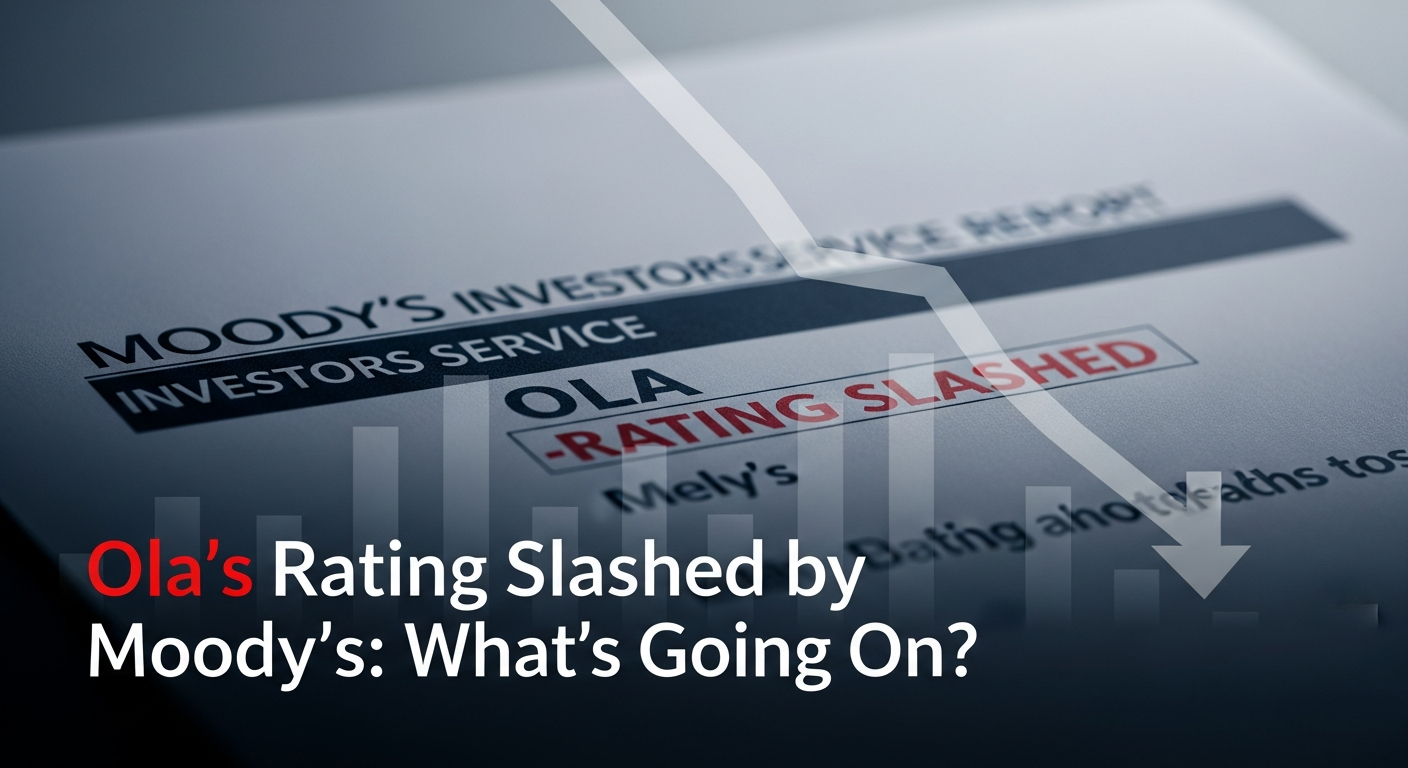
There’s been a pretty significant shakeup in the financial world, and it involves a name many of us know: Ola. Moody’s, the well-known credit ratings agency, just made a move that’s got people talking. They’ve downgraded Ola’s rating, and honestly, it’s not looking great.
So, what exactly happened? Moody’s took a look at Ola’s parent company, ANI Technologies, and decided to lower its corporate family rating. It went from B3 all the way down to Caa1. For those not fluent in the language of finance, that’s not a good thing. It basically means Moody’s thinks Ola is facing some serious challenges.
The main reason? Weak operating performance. That’s the core issue here. It seems like Ola isn’t doing as well as it should be, at least in the eyes of Moody’s. The credit rating reflects the agency’s assessment of the company’s ability to meet its financial obligations. A lower rating suggests a higher risk of default. This means there’s a greater chance Ola might struggle to pay back its debts.
Now, credit ratings might seem like something only financial analysts care about, but they have a real impact. They can affect everything from a company’s ability to borrow money to the interest rates they pay. A downgrade can make it harder for a company to secure funding and can increase the cost of that funding when they do get it.
It’s worth noting that Moody’s isn’t the only one keeping a close eye on Ola. The entire business world is. Ola, a major player in the ride-hailing market, has been under scrutiny for a while now. The company has ambitious plans, and it’s been trying to expand into new areas. But, if the operating performance isn’t up to par, those plans could face some serious hurdles.
This downgrade is a signal. A signal that things aren’t exactly smooth sailing for Ola right now. It highlights the challenges the company is up against and the need to improve its financial health. The ride-hailing market is competitive, and companies need to be on top of their game to succeed.
Honestly, it’s a bit of a wake-up call. For Ola, it means they need to take a hard look at their strategy and make some adjustments. They need to find ways to boost their operating performance and reassure investors. It’s a tough spot to be in, but it’s not necessarily a death sentence. Plenty of companies have turned things around after facing similar challenges.
But the question remains: Can Ola bounce back? Will they be able to address the issues that led to this downgrade? Only time will tell, but it’s going to be interesting to watch.