India’s Tourism Paradox: Tackling Structural Seasonality
By ThePip Desk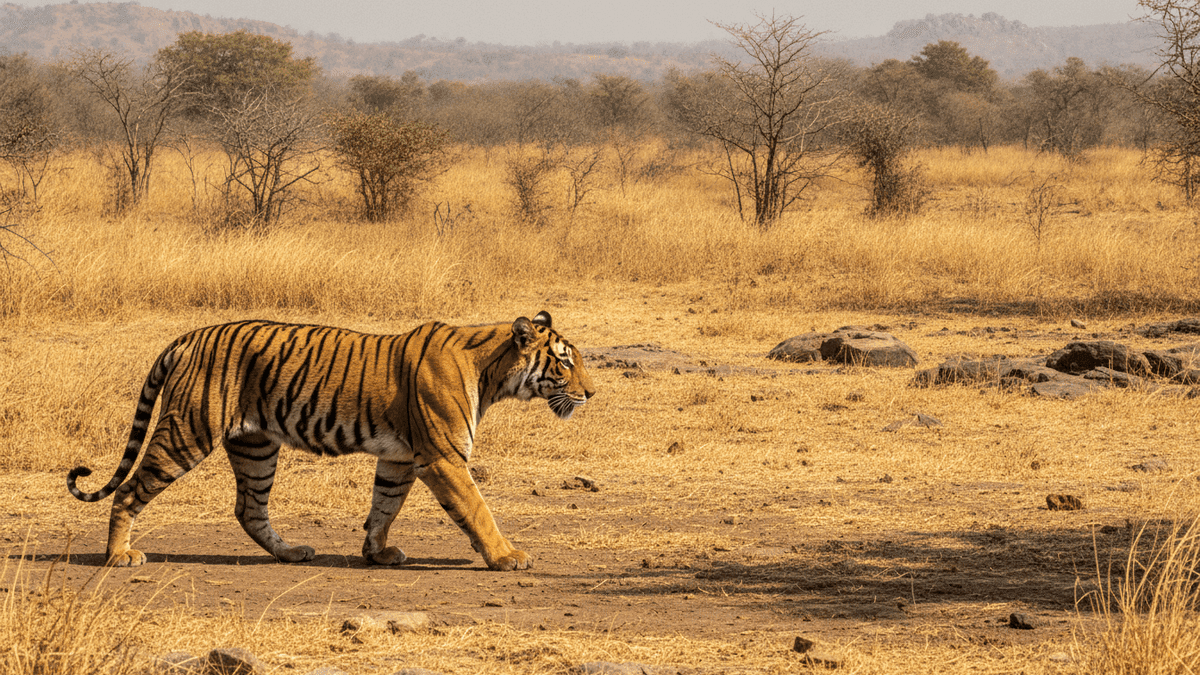
India’s tourism sector faces a significant structural challenge with seasonality. Industry leaders propose policy and operational changes for year-round appeal.
India’s ambition to transform into a 365-day tourism destination confronts a deep-seated structural challenge: pervasive seasonality. Despite possessing an unparalleled array of heritage sites, diverse wildlife, pristine beaches, and majestic mountains, the sector grapples with significant underutilization during off-peak months. This pattern, highlighted by industry leaders at the India Today’s FAITH Tourism Conclave 2026, represents a critical market inefficiency that impedes the nation’s ability to fully capitalize on its tourism assets and maximize economic output. The aspiration to attract more international visitors year-round necessitates a fundamental re-evaluation of current operational and promotional paradigms, moving beyond merely tracking events to understanding the underlying mechanisms.
The mechanism of seasonality is evident in the observations of Vikram Lalwani of AIRDA, who articulated that many of India’s world-class destinations exhibit strong seasonal troughs, with travelers frequently avoiding them during summer. This avoidance is often driven by perceived climatic discomfort, yet it overlooks the unique advantages certain seasons offer. This structural problem points to a collective action dilemma, where both government and private sectors must collaboratively engineer compelling value propositions that transcend conventional peak-season appeal, fostering consistent visitor traffic across all months. The current model leaves substantial capacity unutilized, representing a significant opportunity cost for the entire ecosystem.
A key contributor to this uneven demand pattern is a pronounced information asymmetry, as noted by Shatrunjay Singh from the Indian Heritage Hotels Association. While India offers distinct and memorable experiences throughout the year, a pervasive lack of awareness prevents potential tourists from discovering them. Singh cited Ranthambore National Park, where the summer, despite higher temperatures, is paradoxically ideal for tiger spotting due to reduced foliage and animal behavior. This specific example illustrates how a lack of targeted information can distort demand patterns and perpetuate seasonality, creating an inefficiency in resource allocation.
Singh further emphasized the divergent needs of inbound and domestic tourism, a critical distinction for strategic planning. Attracting international visitors year-round requires robust global awareness campaigns coupled with flexible and consistent visa policies to reduce entry barriers. Domestic travelers, conversely, are increasingly seeking specialized experiences like destination weddings and leisure holidays, which can be leveraged to fill off-peak capacities. This segmentation demands tailored promotional strategies and infrastructure development, moving beyond a one-size-fits-all approach to market engagement.
Beyond promotional and awareness challenges, operational friction acts as a significant impediment to a seamless, year-round tourism ecosystem. Satish Sehrawat of the Indian Tourist Transporters Association highlighted issues such as frequent and unpredictable policy changes, which inject considerable uncertainty for transport operators. Such instability deters long-term investment and efficient resource allocation within the supply chain. Furthermore, Sehrawat stressed the need for hotels to prioritize driver welfare, recognizing it as an essential, though often overlooked, component that directly impacts tourist safety and overall travel comfort, particularly for extended journeys.
The consensus emerging from the Conclave points towards a necessary structural transformation, not merely incremental adjustments. Achieving the vision of a 365-day tourism destination hinges on addressing these interconnected systemic issues: fostering greater coordination across diverse stakeholders, implementing consistent and predictable policy frameworks, dramatically enhancing awareness of India’s year-round offerings, and ensuring uniformly comfortable and safe travel experiences. Overcoming these complexities will enable India to move from a collection of seasonal attractions to a consistently vibrant, fully utilized global tourism powerhouse, unlocking its immense latent potential.