


 No Comments





The news hit the markets in early December. India’s new tax on share buybacks – a move that, on paper, seemed straightforward. But as with so many things in finance, the devil, it turns out, is in the details.
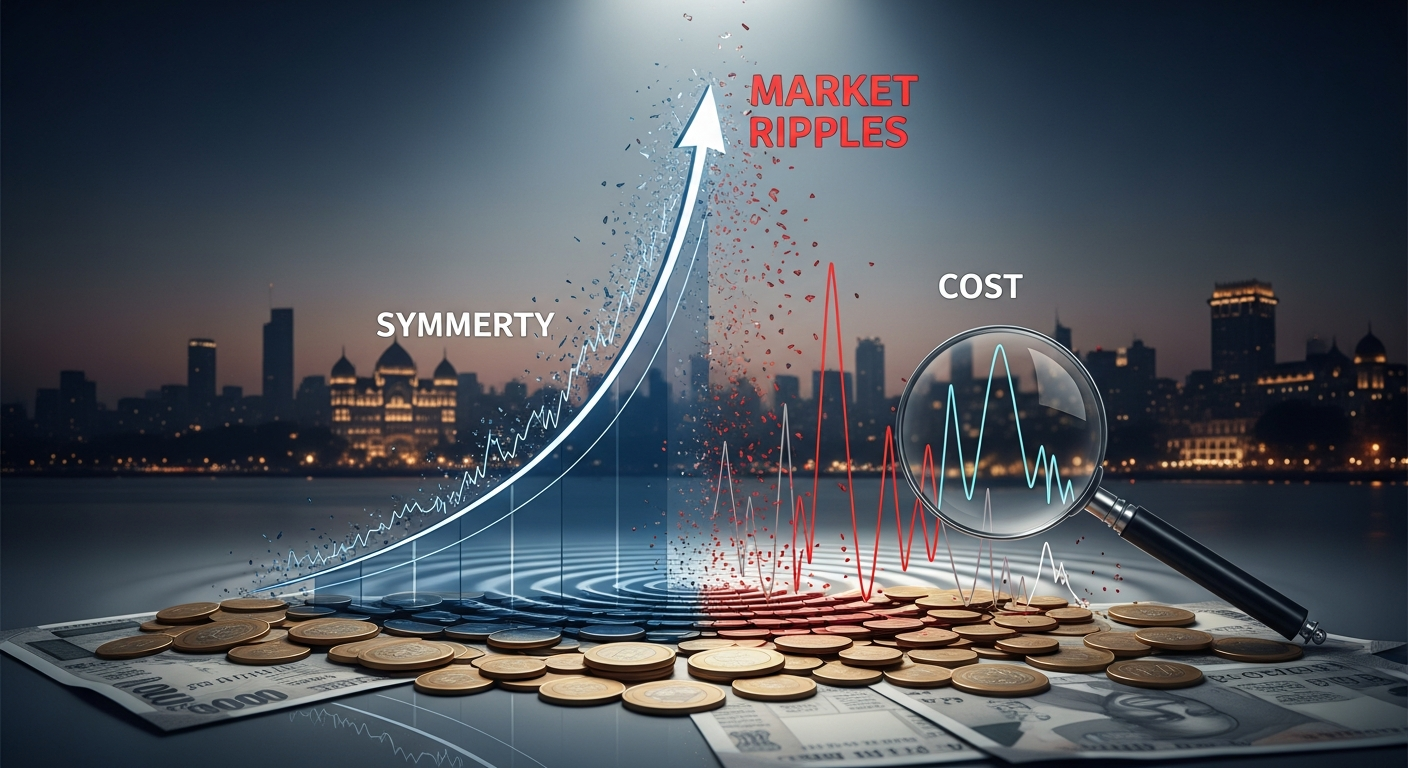
The rule makes share buybacks fully taxable in the hands of shareholders. It’s a change that, according to market analysts, could have some serious consequences. It seems like the goal was to streamline things, create a more symmetrical system, but the impact, I think, is a bit more complicated.
One of the immediate concerns is that this tax could deter companies from returning capital to their shareholders. As per reports, buybacks are a common way for firms to reward investors, especially when they have excess cash. Now, with the tax, the incentive to do so is diminished.
I spoke with a financial analyst from a Mumbai-based firm earlier today. He mentioned, “This tax could definitely make companies think twice before initiating a buyback program.” He added that the change could particularly affect smaller companies. It’s a valid point: smaller firms might be more sensitive to the increased tax burden.
Meanwhile, the market’s initial reaction was cautious. The Bombay Stock Exchange saw some volatility, especially in sectors known for regular buyback programs. The fear is that the new tax will distort capital flows, making it harder for companies to invest in their own growth. This could, in turn, hurt overall market confidence – a sentiment echoed by several experts.
The policy change, announced in late 2023, has already sparked a debate among investors and financial experts. They are trying to figure out how this will ultimately affect the market. Some worry that it will lead to fewer payouts. Others are concerned about the potential for increased volatility.
For once, the tax implications seem to overshadow the usual market dynamics. It’s a bit of a wait-and-see game, but the implications are significant. The move, as per the Ministry of Finance, aims to bring more transparency. Still, the underlying worry is that the cure might be worse than the disease.
The new rule applies to buybacks announced on or after December 20, 2023. That date, I suspect, will be one to watch. The markets always find a way to adapt, but this change feels like it could reshape things, at least a little.