India-UK FTA: Zero Duty Exports Boost Trade from July 15, 2026
By ThePip Desk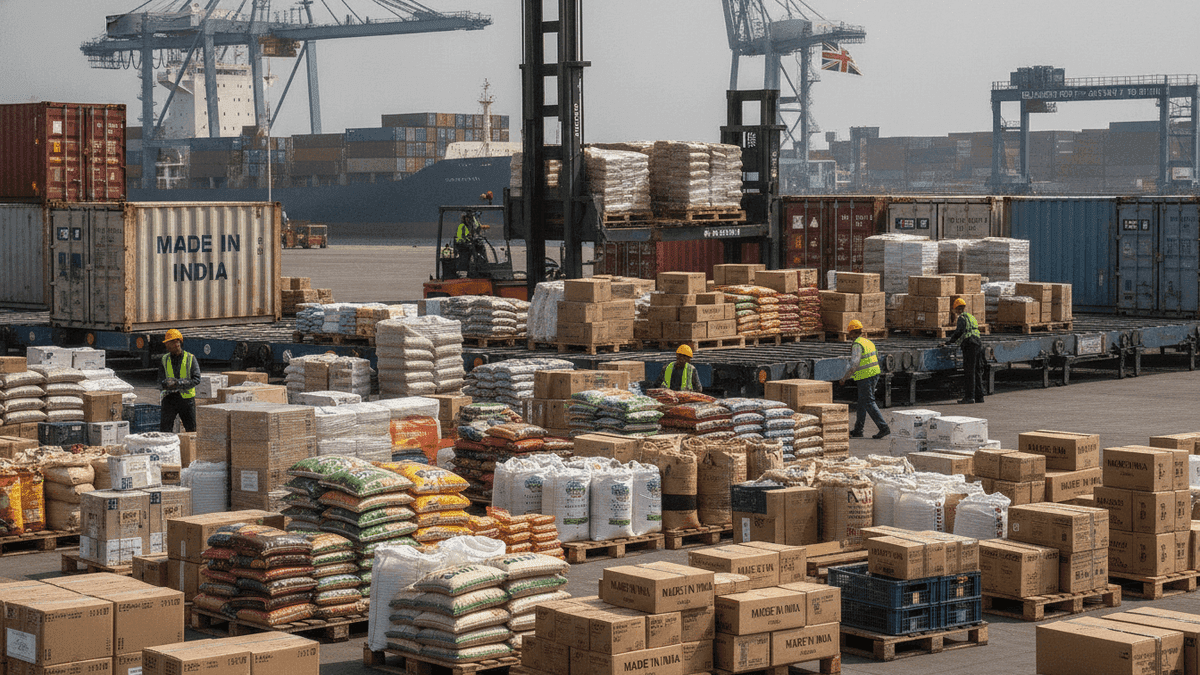
India-UK FTA starts July 15, 2026, offering zero duty on Indian exports. Discover how this boosts market access and competitiveness for Indian businesses in the UK.
The India-UK Free Trade Agreement (FTA) is poised to fundamentally reshape bilateral trade dynamics, with its official commencement slated for July 15, 2026. This significant development will see Union Minister Piyush Goyal leading a substantial business delegation to Europe, underscoring India’s strategic intent to deepen economic engagement with the United Kingdom.
At the core of this agreement lies the provision for zero duty on Indian exports to the UK. From a first-principles economic perspective, the elimination of tariffs directly reduces the cost of goods for importers. This structural alteration enhances the price competitiveness of Indian products in the British market, effectively removing a significant barrier to entry and expanding potential market share for Indian businesses.
This mechanism is critical for understanding the anticipated boost to Indian exports. By removing the tariff burden, Indian exporters can either offer their products at more attractive prices or capture a larger profit margin, both of which stimulate trade volumes. Such agreements are designed to foster an environment where comparative advantages can be more fully realized, driving economic growth through increased market access.
The move reflects a consistent pattern in India’s trade policy: leveraging strategic FTAs to secure preferential market access for its burgeoning industries. Such bilateral agreements are not merely transactional; they represent a structural commitment to integrating India more deeply into global supply chains and expanding its economic footprint beyond traditional markets.
Looking ahead, the India-UK FTA represents more than just a reduction in import taxes. It signifies a strategic alignment aimed at creating a more fluid and integrated trade corridor. The long-term implications will likely be seen in diversified export baskets, increased investment flows, and a strengthened position for India in the global trade architecture, moving beyond mere event tracking to structural economic shifts.