India-UK FTA: Beyond Tariffs, Structural Hurdles Limit Exports
By ThePip Desk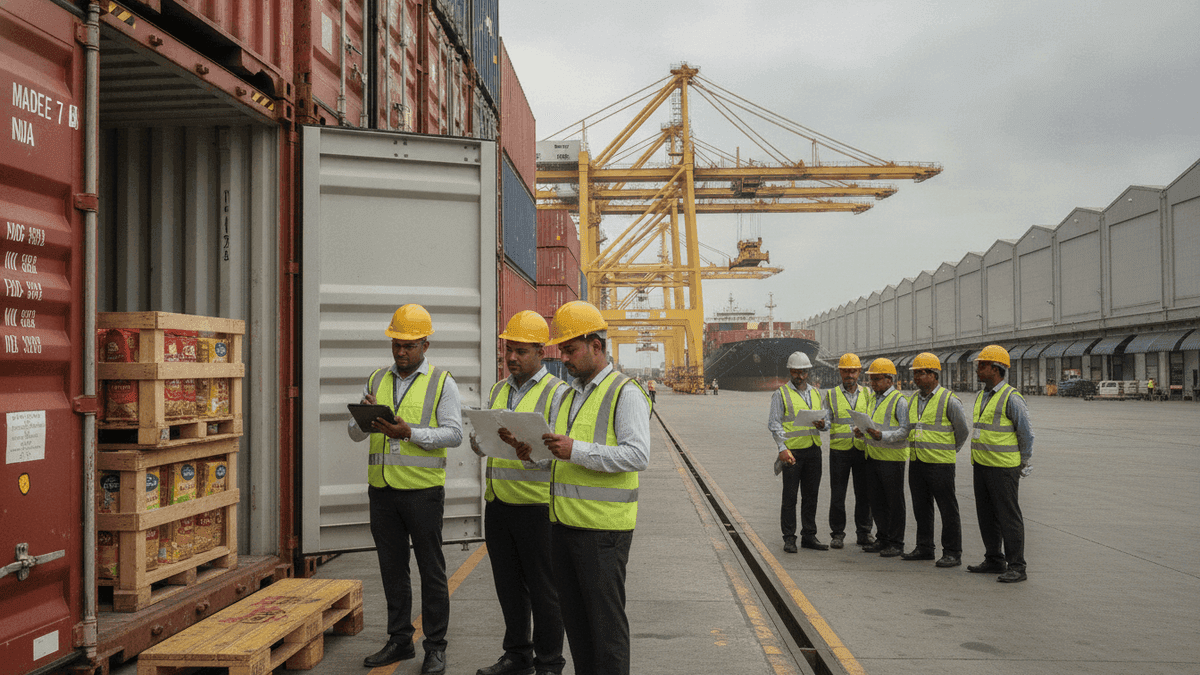
India-UK FTA’s tariff cuts alone won’t boost exports. Addressing quality, logistics, and certifications is key to unlocking India’s trade potential.
The upcoming India-UK Comprehensive Economic and Trade Agreement (CETA), slated for commencement on July 15, is poised to enhance market access for Indian exporters. However, the Global Trade Research Initiative (GTRI) has asserted that tariff reductions alone will prove insufficient to unlock India’s full export potential, pointing to a persistent structural friction in global trade dynamics that extends beyond mere customs duties.
GTRI emphasizes a critical need for India to bolster its underlying trade infrastructure. This includes significantly improving quality standards, streamlining certification processes, enhancing logistics efficiency, expediting regulatory approvals, and strengthening international buyer networks. Without these parallel and comprehensive efforts, the think tank’s founder, Ajay Srivastava, cautioned that much of the opportunity presented by the agreement will remain theoretical, failing to convert market access into tangible export volumes.
Understanding this structural friction requires examining the current trade landscape. Britain’s total imports are projected to reach $928.9 billion in 2025, yet goods sourced from India constituted a mere $15.2 billion, equating to a 1.6% market share. Furthermore, the UK represented only 3.4% of India’s global merchandise exports. Srivastava underscored that a low market share does not automatically translate into high export potential; factors like actual UK demand, India’s export capacity, existing UK market presence, and the specific tariff advantage CETA creates are all crucial variables in this complex equation.
The GTRI report highlights that non-tariff barriers often prove as impactful as tariffs themselves. These encompass stringent standards, food-safety rules, safeguard measures, certification requirements, and supply-chain constraints. For instance, food exporters must adhere to rigorous UK food safety and traceability norms, while engineering and electronics manufacturers require globally accepted certifications and robust commercial partnerships to compete effectively.
Sector-specific analyses further illustrate these structural challenges. Automobile exporters face specific rules of origin and technical standards. Industries like chemicals and pharmaceuticals grapple with paramount regulatory approvals, and steel exports encounter UK safeguard measures and quotas. Conversely, sectors where India possesses a strong manufacturing base, the UK has substantial import demand, and CETA offers a meaningful tariff advantage—such as garments, textiles, leather, footwear, processed foods, seafood, and selected farm products—present the most significant opportunities, contingent on India addressing these deeper, non-tariff-related structural impediments.
Ultimately, the CETA serves as a potent reminder that trade agreements, while foundational, are not a panacea for export growth. The durable lesson lies in recognizing that market access must be complemented by robust domestic capabilities and an efficient export ecosystem to truly capitalize on preferential trade terms. India’s long-term export trajectory will be defined not just by what it negotiates, but by what it builds and enforces internally.