Middle East Tensions Spark Oil Price Surge: Geopolitical Risk Returns
By ThePip Desk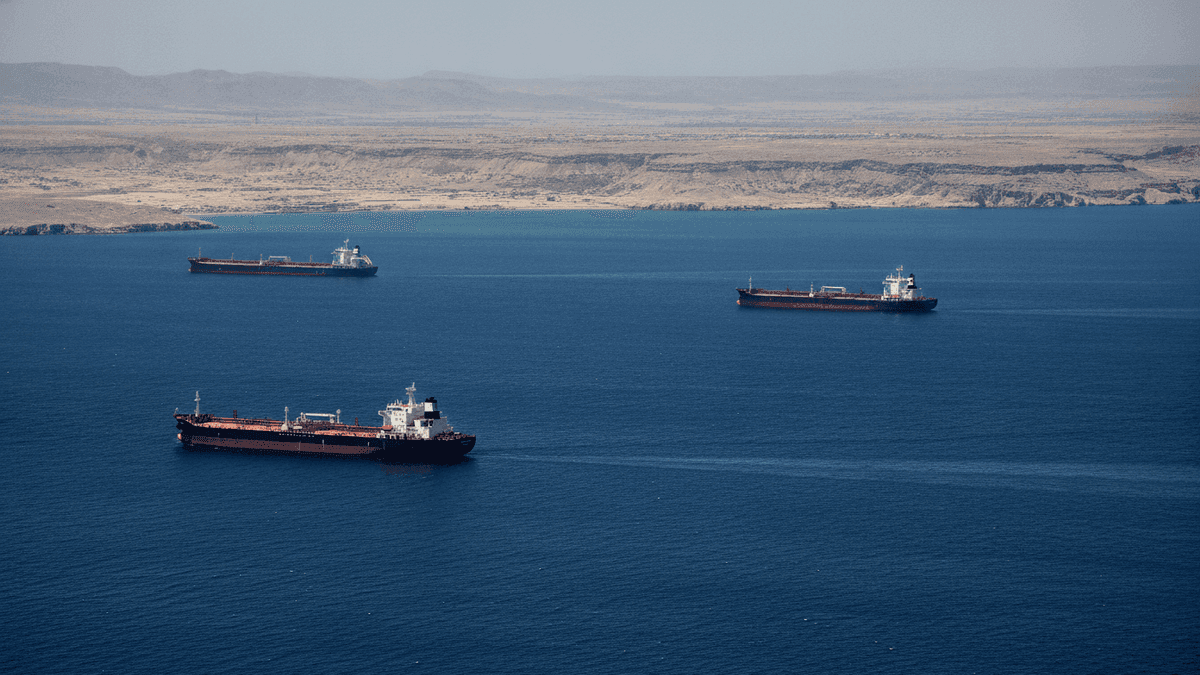
Renewed US-Iran military actions in the Middle East cause a 4% oil price surge, highlighting supply chain vulnerabilities and the critical Strait of Hormuz.
Crude oil markets reacted sharply on Monday, July 13, 2026, with prices surging by 4% as military exchanges between the United States and Iran intensified across the Middle East. This immediate market response highlights the fundamental mechanism by which geopolitical instability in a critical region translates directly into a tangible risk premium on global commodities, particularly oil, due to the inherent vulnerability of key transit routes.
The escalation of hostilities, which saw Iran extend strikes to Qatar and the UAE, met by further US attacks on Iranian targets, immediately raised significant concerns over the security of the Strait of Hormuz. Brent crude climbed to $79.26 a barrel, while WTI crude reached $74.53 a barrel, reflecting the market’s pricing of potential supply disruptions. This pattern demonstrates how even the threat of constrained passage through this vital chokepoint can swiftly impact global energy costs.
The renewed conflict actively jeopardizes an interim agreement signed just last month, which aimed to facilitate the reopening of the Strait and resolve regional tensions within 60 days. This earlier diplomatic effort had, according to the International Energy Agency, contributed to an increase in global oil supply in June, although output remained persistently below pre-war levels. The current re-escalation underscores the fragility of such agreements when underlying geopolitical fault lines remain unresolved.
Evidence of immediate disruption emerged rapidly, with Iran’s declaration of the Strait’s closure following a vessel strike leading to a sharp reduction in shipping activity. On Sunday alone, only six vessels reportedly navigated the Strait, a stark illustration of how rapidly perceived risk can curtail essential global trade flows. This operational impact directly feeds into the market’s supply-side concerns, reinforcing the upward pressure on prices.
Diplomatic efforts appear fractured amidst the military actions. Iran’s foreign ministry condemned US actions as a “flagrant violation” of the UN Charter, warning that any nation facilitating attacks against Iran would become a legitimate target. The ministry also dismissed US President Donald Trump’s claims regarding recent talks in Muscat, stating these discussions were exclusively focused on the practicalities of Strait of Hormuz management and shipping security, not broader de-escalation. The UN Secretary-General expressed deep concern over the escalating confrontation and its potential global repercussions, reflecting the systemic nature of this regional instability.
This episode serves as a critical reminder of the structural geopolitical risk embedded within global energy markets. The volatility witnessed is not merely a reaction to isolated events, but a direct consequence of the persistent vulnerability of strategic maritime passages and the complex, often non-linear, interplay between military action and global economic stability. Understanding this mechanism is crucial for anticipating future commodity market dynamics.