BPCL, CESC Embrace Renewables; Mangalam Expands Wellness
By ThePip Desk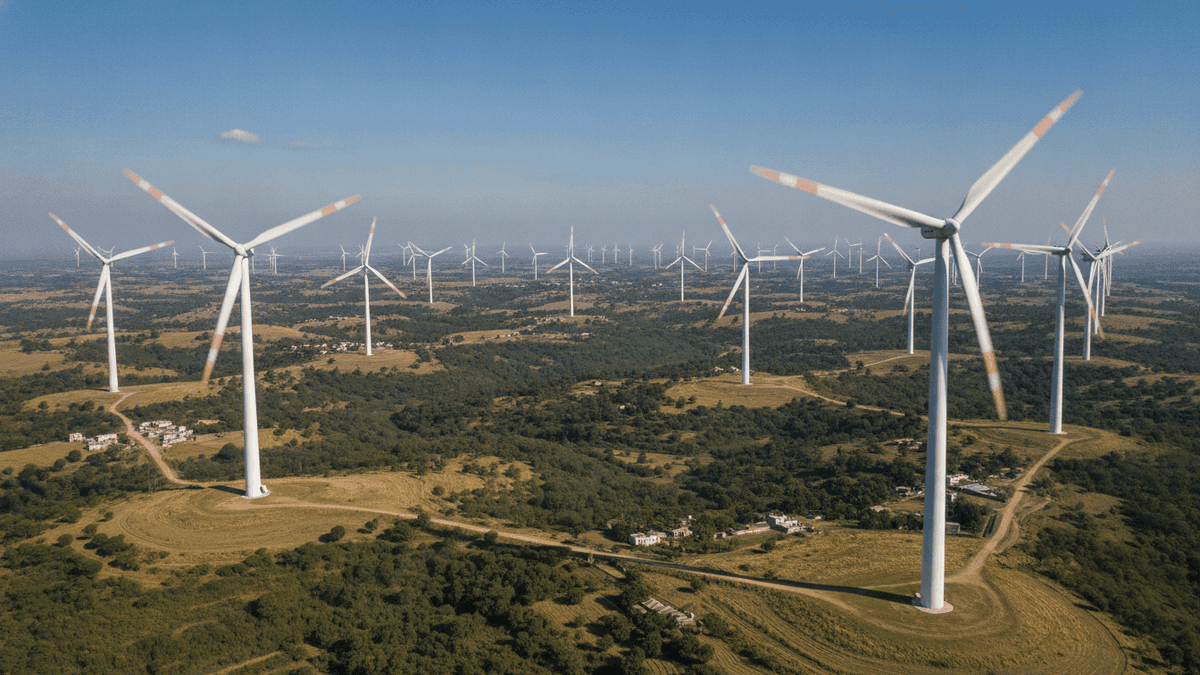
Indian giants BPCL and CESC pivot to renewable energy, while Mangalam Global Enterprise expands its wellness brand, signaling major market shifts.
🔥 Main Takeaway
Major Indian corporations BPCL and CESC are accelerating their pivot into renewable energy, while Mangalam Global Enterprise expands its consumer wellness brand, highlighting critical shifts in market priorities.
📌 What Happened?
Bharat Petroleum Corporation (BPCL) secured a 100 MW wind power allocation from Madhya Pradesh Power Management Company (MPPMCL) at a competitive tariff of Rs 4.12 per kWh. This deal was finalized through a reverse auction on June 30, 2026, marking a strategic move for the oil and gas major.
Mangalam Global Enterprise inaugurated three new retail stores in Mumbai on June 30, 2026. These ‘Neat Everyday’ brand stores, located in Goregaon (West), Borivali (West), and Ghatkopar (East), will offer a curated range of wellness, beauty, and personal care products.
CESC’s subsidiary, Crescent Power, formed a new wholly-owned subsidiary, Novarion Power (NPPL), specifically to explore opportunities within the renewable power sector. This follows a similar initiative by Purvah Green Power, another CESC subsidiary.
💰 Why It Matters
The push by BPCL and CESC into renewables signals a broader energy transition in India, driven by sustainability goals and potentially favorable market conditions for green investments. This could open new avenues for investors in sustainable energy.
Mangalam Global’s aggressive retail expansion into Mumbai’s key areas highlights the booming consumer demand for wellness, beauty, and personal care products. This move positions the company to capitalize on evolving lifestyle trends among urban consumers.
For investors, these corporate strategies indicate a focus on diversification and future-proofing. Energy giants are seeking to balance traditional fossil fuel operations with renewable assets, while consumer brands are expanding their physical footprint to capture direct market share.
The competitive Rs 4.12 per kWh tariff secured by BPCL for wind power suggests increasing efficiency and cost-effectiveness in India’s renewable energy projects, making green investments more attractive and viable.
👀 What to Watch Next
Monitor how BPCL and CESC integrate these new renewable assets and if their green energy ventures significantly impact their financial performance and stock valuations in the coming quarters.
Keep an eye on Mangalam Global’s ‘Neat Everyday’ brand performance in Mumbai; its success could pave the way for similar rapid expansions by other consumer-focused brands in India’s metropolitan areas.
Future government policies and technological advancements in the renewable energy sector will be crucial. These factors could either accelerate or slow the pace of green transition for major corporations across the country.