CAG Audit: 57% of Bengal COVID Oxygen Plants Non-Operational
By ThePip Desk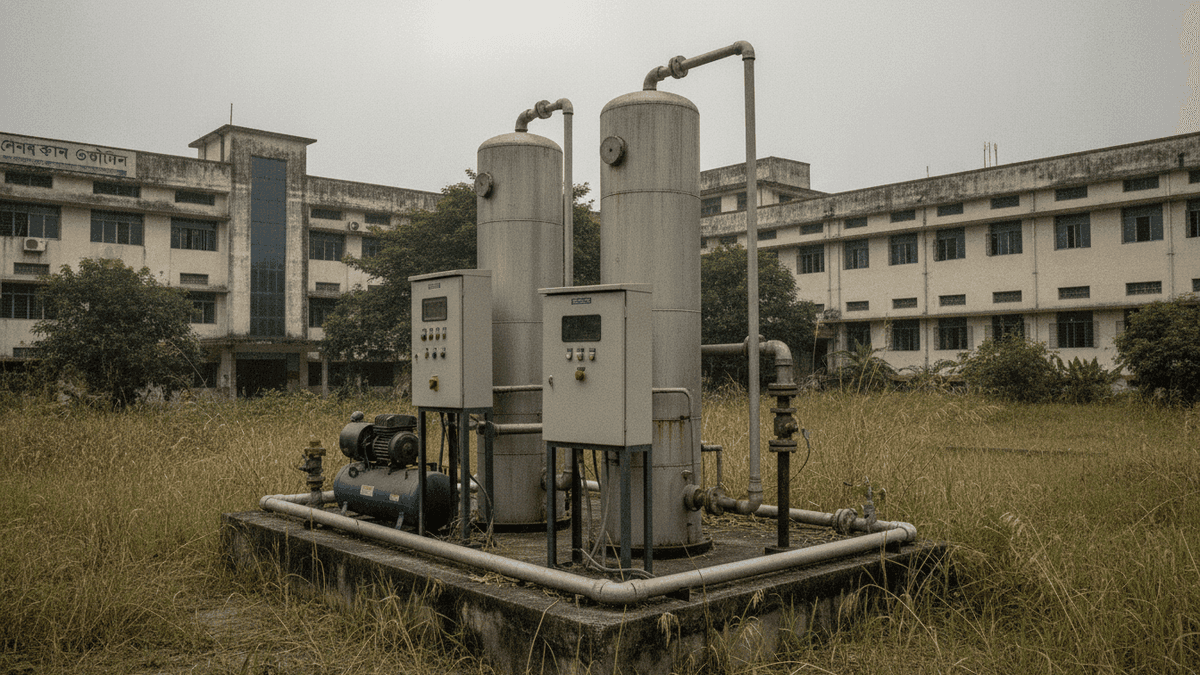
CAG audit reveals 57% of West Bengal’s COVID-19 oxygen plants are non-operational, with critical equipment idle and funds unspent, highlighting healthcare infrastructure gaps.
A recent audit by the Comptroller and Auditor General (CAG) revealed that 57% of West Bengal’s COVID-19 oxygen plants were non-operational by December 2023. This significant finding highlights critical deficiencies in the state’s healthcare infrastructure designed for pandemic response.
Inactive Infrastructure and Idle Equipment
The CAG report found that only 32 of the 75 Pressure Swing Adsorption (PSA) oxygen plants were functional. These plants, funded by PM CARES and corporate social responsibility (CSR) initiatives, were intended to bolster the state’s medical oxygen supply.
Beyond the non-operational plants, the audit also identified essential medical devices lying idle in government hospitals. Institutions like SSKM Medical College and Hospital had ventilators and oxygen concentrators unused due to a critical shortage of necessary consumables.
Unspent COVID-19 Funds
The report detailed substantial financial mismanagement related to the state’s COVID-19 response. Significant portions of allocated funds remained unutilised well past their intended periods.
- By March 2022, 65% of the ₹659.28 crore from the Emergency COVID Response Package-II remained unspent.
- Over ₹462 crore from state COVID untied funds also went unspent by March 2022.
Attribution and Future Prospects
The West Bengal Medical Services Corporation Ltd. (WBMSCL) placed the responsibility for plant installation and operation on the Union government and various CSR agencies. WBMSCL stated that tenders have been issued to address these operational shortcomings.
However, the CAG report expressed considerable skepticism regarding the actual timelines for these critical oxygen plants to become fully functional. This assessment points to broader risks within public health project execution and medical asset maintenance.
The report underscores persistent challenges in ensuring the operational readiness of essential medical infrastructure. Such deficiencies can impact the overall resilience and effectiveness of the healthcare sector during future crises.