Structural Stability Underpins RBI’s Rate Stance Amid Manufacturing Rebound
By Sivam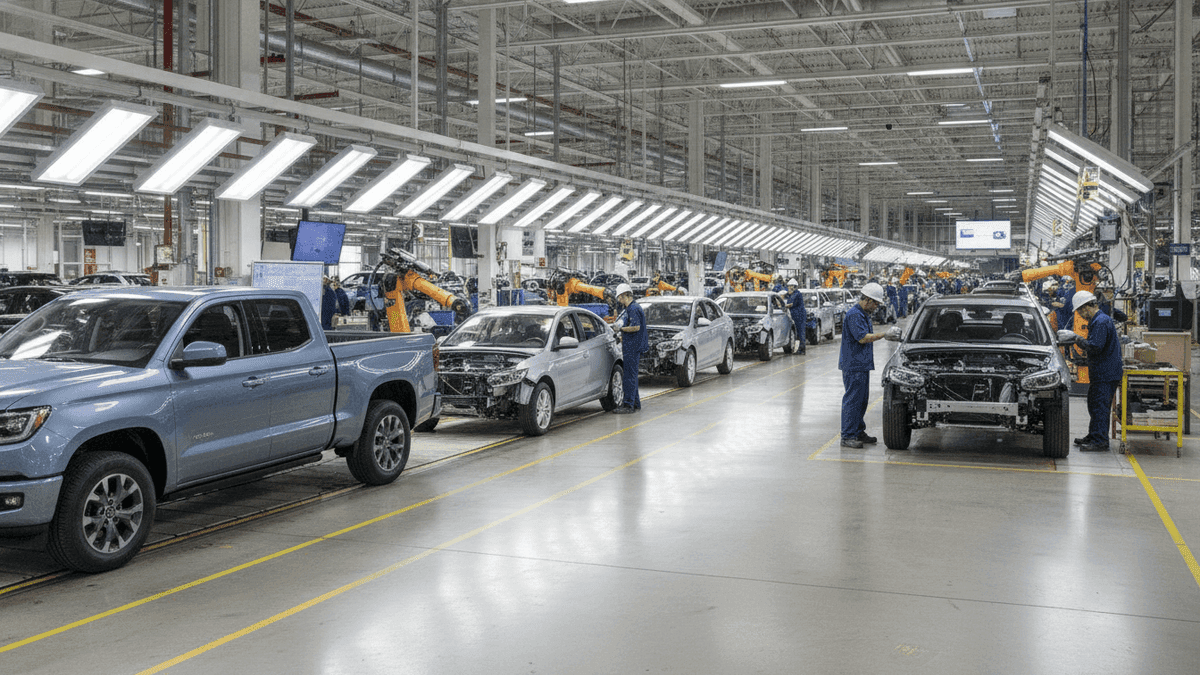
RBI Governor Sanjay Malhotra deems interest rate hikes premature, citing easing West Asia tensions and a significant 10.1% sales growth in FY26, driven by manufacturing.
The Reserve Bank of India (RBI) is maintaining a watchful stance on its monetary policy, with Governor Sanjay Malhotra declaring that discussions concerning interest rate hikes are presently “premature.” This position is anchored in a comprehensive assessment of global stability and domestic economic resilience, particularly as geopolitical tensions show signs of easing and corporate performance registers a significant rebound.
Governor Malhotra specifically highlighted the positive implications of a de-escalating situation in West Asia, which he views as a crucial development for global and Indian economic trajectories, supporting both growth and inflation management. India, as a major energy importer, directly benefits from reduced geopolitical risk premium on global oil prices. This macro stability framework is further bolstered by the recent cooling of crude oil prices and a sharp correction in urea prices, both of which directly influence input costs for various industries and broader inflationary pressures. The RBI also remains attentive to the progress of the monsoon, a vital factor for agricultural output and, consequently, the nation’s food inflation outlook in the coming months.
This cautious yet optimistic monetary policy environment coincides with robust corporate earnings data that underscores an underlying economic recovery. According to the RBI’s latest report, listed private non-financial companies achieved a sales growth of 10.1% during financial year 2025-26. This performance marks a significant return to double-digit growth, a threshold not crossed in the preceding two years. Such a rebound signals a revitalization of demand and operational capacity across the economy, moving beyond the more moderate single-digit expansion observed previously.
The primary catalyst for this overall corporate sales resurgence has been the manufacturing sector, which recorded an impressive 10.8% growth in FY26. This represents a substantial acceleration from the 6.0% growth registered in the year prior, indicating a broad-based industrial upswing. Key industries driving this manufacturing momentum included automobiles, electrical machinery, food & beverages, and chemicals. The diversified nature of this growth suggests a resilient and adaptable industrial base, rather than reliance on a few isolated segments, which provides a more stable foundation for sustained economic expansion.
The confluence of receding external headwinds and a reinvigorated domestic industrial engine provides the Reserve Bank of India with strategic flexibility. It enables the central bank to prioritize growth enablement while diligently managing inflation expectations without immediate recourse to tighter monetary policy. This analytical perspective suggests that sustained geopolitical calm and continued robust performance from core industrial sectors will be instrumental in shaping the future direction of India’s monetary policy, reinforcing a framework that balances stability with economic dynamism.