RBI’s Money Market Expansion: Reshaping India’s Liquidity Structure
By Varun Mittal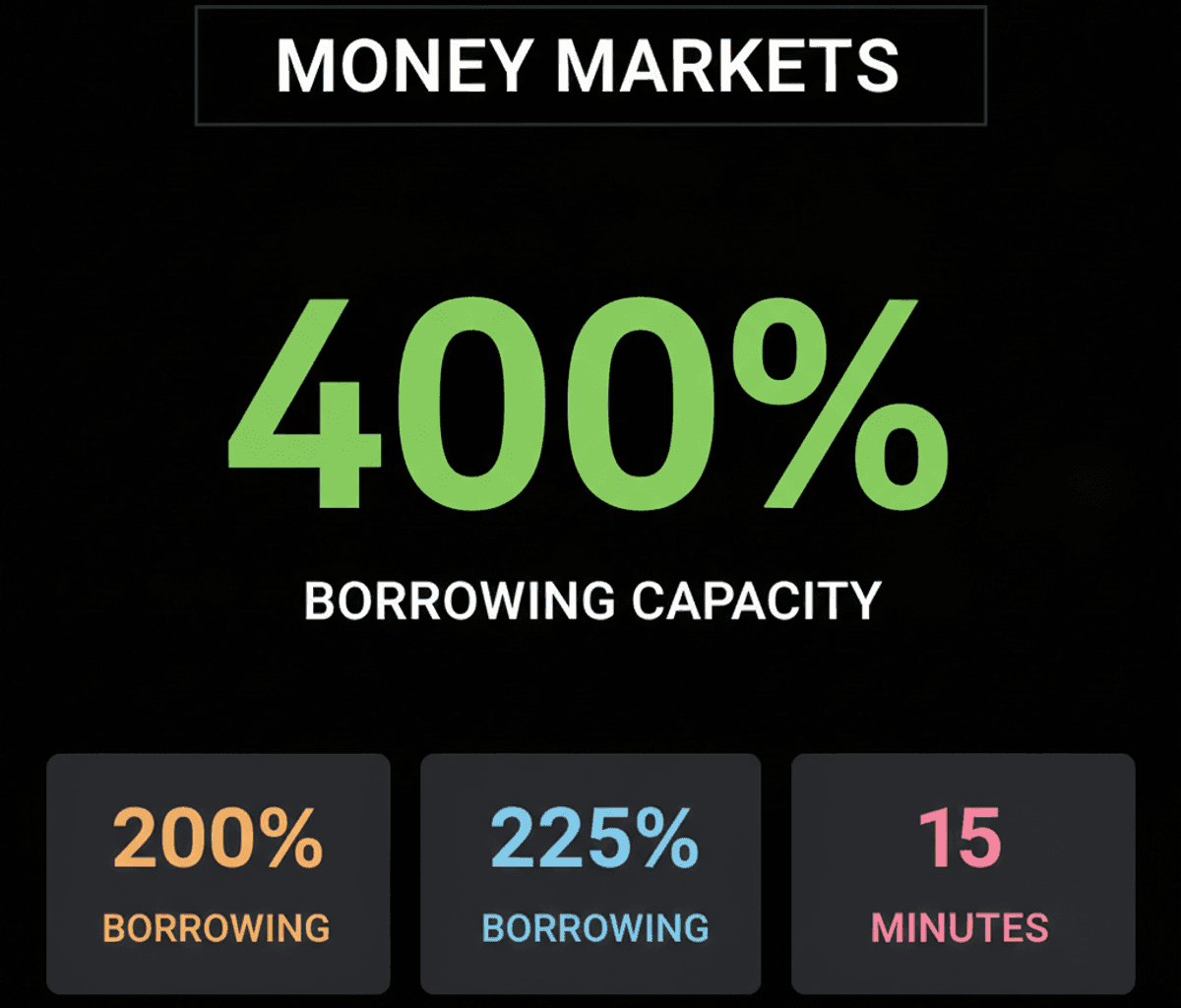
The Reserve Bank of India proposes new rules to broaden access to India’s short-term money markets, deepening the financial system.
The Reserve Bank of India (RBI) has unveiled draft regulations poised to fundamentally reshape India’s short-term money markets, a move that signals a deliberate strategy to deepen the nation’s financial plumbing. This proposed framework, titled the "Reserve Bank of India (Call, Notice and Term Money Markets) Directions 2026," aims to significantly expand the roster of participants beyond traditional banks and primary dealers, inviting a wider array of non-bank financial entities into the fold.
At its core, this initiative is about enhancing the efficiency and reach of India’s liquidity management architecture. The term money market, which facilitates borrowing and lending for durations ranging from over 14 days up to one year, has historically seen less activity compared to the overnight call money market. The RBI’s objective is to stimulate engagement in this intermediate segment, thereby strengthening the crucial link between very short-term interest rates and the funding costs of longer-maturity debt.
The Structural Mechanism: Broadening Access and Calibrated Leverage
The strategic expansion targets select financial institutions, Non-Banking Financial Companies (NBFCs), and housing finance companies, allowing them to participate in both borrowing and lending within the term money market. Notably, companies will also gain entry as lenders, though NBFCs categorized in the base layer are specifically excluded from this broadened participation. This calibrated inclusion reflects a first-principles approach to market deepening, ensuring that new participants contribute to liquidity without introducing undue systemic risk.
A key aspect of this structural re-engineering involves adjusting prudential limits to facilitate greater activity. For NBFCs and housing finance companies, the draft rules propose a borrowing limit of 200% of their net-owned funds from the preceding financial year. Standalone primary dealers, critical intermediaries in the government bond markets, will see their combined borrowing capacity through term money and inter-corporate deposits increase to 400% of net-owned funds. Their call and notice money market borrowing, however, will remain capped at 225% of net-owned funds on a daily average basis. These figures are not arbitrary; they represent a calculated expansion of permissible leverage, designed to inject more capital and activity into these vital segments while maintaining regulatory oversight.
Operational Rigour and Policy Transmission
Beyond participant expansion and revised limits, the RBI is also instituting operational requirements to ensure market integrity and transparency. Eligible entities will be mandated to become members of the Negotiated Dealing System-Call platform within six months of the directions’ implementation. Furthermore, over-the-counter transactions must be reported within a tight 15-minute window. These measures are foundational to establishing a robust and transparent trading environment, which is essential for accurate price discovery and effective market surveillance.
One might argue that broadening access to money markets could introduce new layers of complexity or even risk, given the diverse nature of non-bank entities. However, the RBI’s framework appears designed to preempt such concerns. By requiring participants to set prudential limits subject to board approval and adherence to existing exposure norms, and by excluding base-layer NBFCs, the central bank is applying a thoughtful, risk-mitigated approach to expansion. This careful balance between liberalization and control is crucial for fostering a resilient financial system.
The Long View: Towards a Unified Market
What many might overlook is that this initiative extends beyond mere market access; it is a critical step in improving monetary policy transmission. By stimulating activity in the term money market and fostering a stronger connection between very short-term rates and longer-maturity funding costs, the RBI aims to ensure that its policy signals propagate more effectively throughout the financial system. This leads to a more responsive and integrated interest rate curve, which is a hallmark of a mature financial market.
This move is also consistent with the RBI’s broader strategy to streamline and consolidate market regulations through comprehensive master directions, mirroring recent draft directions for secondary-market transactions in government securities. The enduring lesson here is that regulatory evolution is not merely about reacting to immediate challenges, but about proactively constructing a more robust, efficient, and interconnected financial architecture for the long term.
ONE THING TO CONSIDER TODAY
When observing regulatory changes in financial markets, consider not just who gains access, but how the structural plumbing of liquidity and price discovery is being re-engineered for long-term stability and policy efficacy, rather than focusing solely on immediate participant gains.