Microfinance Risk: Macro Headwinds & Regulatory Shifts
By Sivam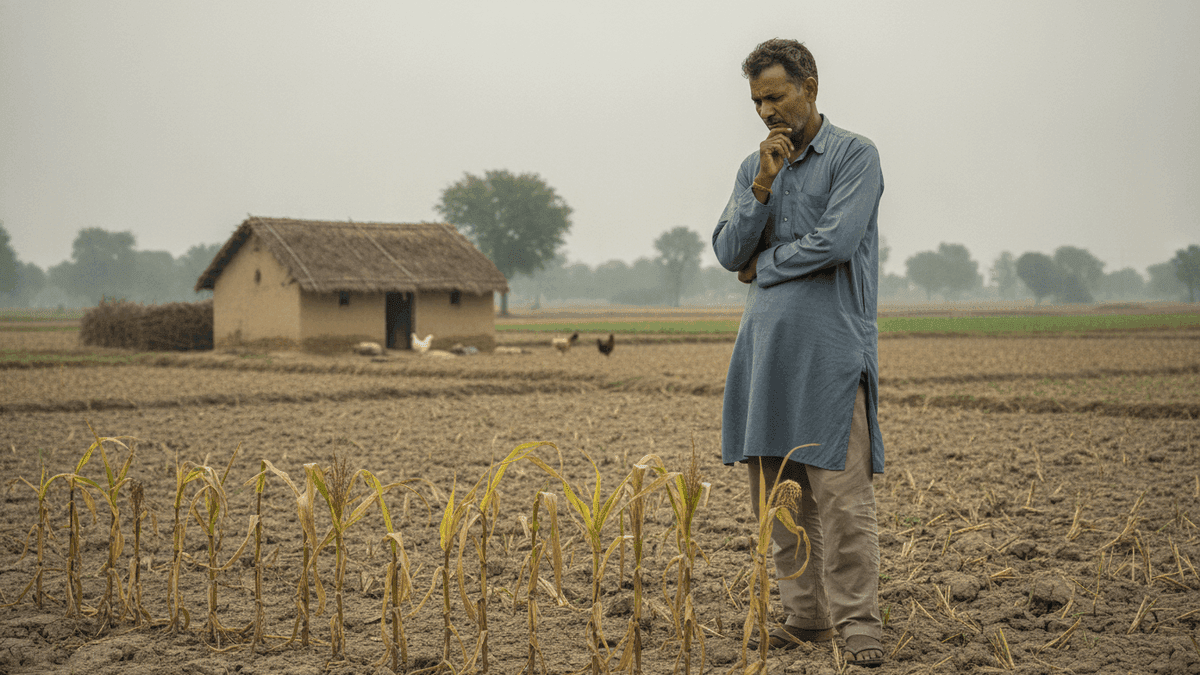
CRISIL warns of macroeconomic pressures & El Nino impacting microfinance repayment. State regulations add tighter lending oversight, reshaping sector risk.
Crisil’s latest report signals a critical juncture for India’s microfinance sector, highlighting how underlying macroeconomic shifts and environmental patterns are poised to influence borrower repayment dynamics. The credit rating agency specifically points to potential inflationary pressures and a reduction in discretionary household cash flows as critical factors that could reshape behavior. This analysis underscores a fundamental interplay between broader economic forces and the granular realities of micro-lending, where even small shifts in household budgets can have significant ripple effects on financial stability across numerous communities.
Understanding Income Volatility in Microfinance
The microfinance model, by its very nature, serves segments of the population often characterized by irregular income streams. This inherent income volatility is typically managed through rigorous loan appraisal and collection mechanisms. However, pervasive inflationary pressures act as a systemic shock, effectively reducing the real value of these already fluctuating incomes. As household budgets tighten, the prioritization of essential expenditures over loan repayments becomes an unavoidable trade-off for many borrowers, directly impacting default rates.
Moreover, the anticipated impact of the El Nino phenomenon compounds this vulnerability, particularly for rural borrowers heavily reliant on agriculture. A compromised monsoon or altered weather patterns can directly translate into reduced crop yields and, consequently, diminished rural incomes. This direct link between climatic events and cash flow stability presents a clear structural headwind for microfinance institutions (MFIs), whose portfolios often have significant exposure to agricultural cycles. While Crisil notes no direct influence from the West Asia conflict on the sector, these domestic and climatic variables are sufficient to warrant close observation for their systemic implications on portfolio quality.
The Evolving Landscape of Regulatory Oversight
Beyond these economic currents, a parallel structural shift is underway in India’s regulatory landscape, particularly at the state level. Jurisdictions such as Karnataka, Tamil Nadu, and Bihar have proactively introduced new legislation designed to impose tighter oversight on previously unregulated microfinance lending practices. This regulatory evolution signals a broader recognition of the need for enhanced borrower protection within a sector that has historically faced scrutiny over collection practices and transparency.
This legislative trend reflects a strategic pivot towards formalizing and standardizing practices that were previously less controlled. By enacting stricter norms, these states are attempting to mitigate predatory lending risks and ensure greater accountability from lenders. Such interventions, while potentially adding compliance burdens and necessitating operational adjustments for MFIs, are ultimately aimed at fostering a more sustainable and equitable microfinance ecosystem. The goal is to balance financial inclusion with consumer protection, a perennial challenge in developing credit markets.
The confluence of these factors—macroeconomic vulnerability, climatic uncertainty, and heightened regulatory scrutiny—suggests a period of significant recalibration for the microfinance sector. Lenders will need to adapt to an environment where borrower repayment capacity is under pressure and operational frameworks demand greater transparency and adherence to protective norms. This situation highlights the perpetual tension between the expansive goals of financial inclusion and the imperative of systemic stability, urging a strategic re-evaluation of risk models and operational resilience across the industry. For stakeholders, understanding these structural shifts is paramount to navigating the sector’s evolving landscape effectively.