India’s Economy: Resilience Amidst Geopolitical & Inflationary Pressures
By ThePip Desk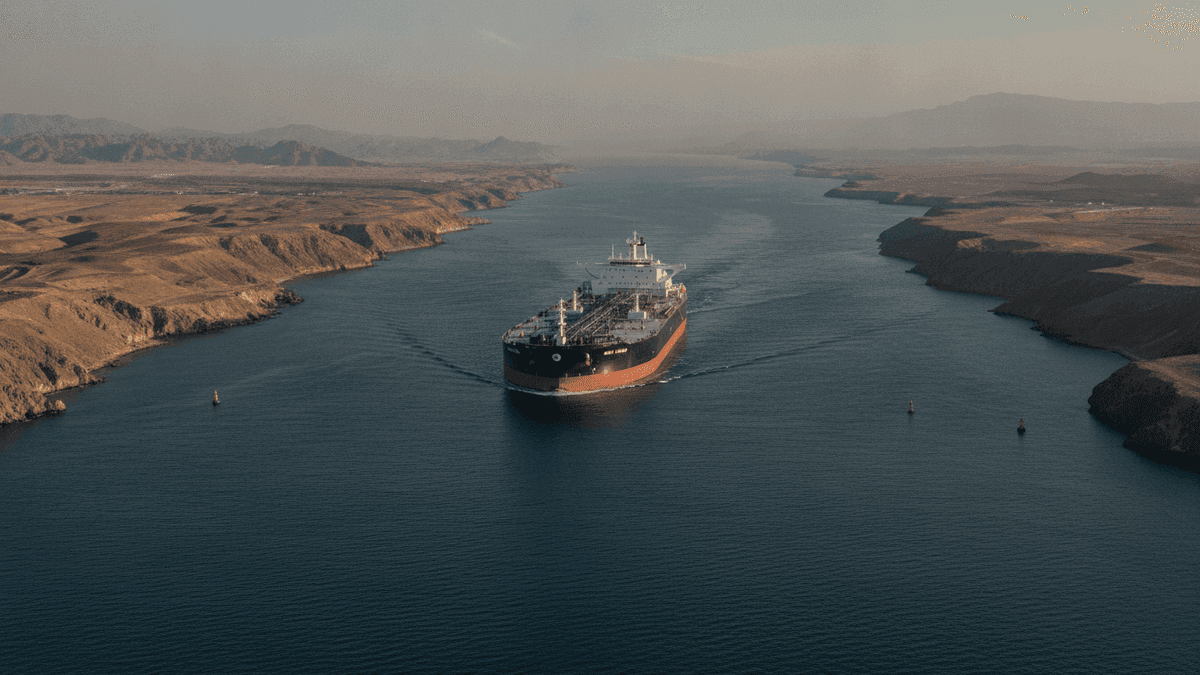
RBI Governor highlights India’s strong economic fundamentals, structural resilience, and growth drivers despite West Asia crisis and monsoon risks.
India’s economy demonstrates robust fundamentals and a healthy expansion trajectory, despite looming geopolitical uncertainties stemming from the West Asia crisis and the potential for a weak monsoon, Reserve Bank of India (RBI) Governor Sanjay Malhotra confirmed on Friday. This assessment, shared in an interview with Doordarshan, underscores a critical structural pattern: the economy’s capacity to absorb external shocks through diversified strengths.
The resilience of India’s external sector serves as a primary shock absorber. Malhotra highlighted strong services exports, consistent remittance inflows, and record foreign direct investment as key pillars. Furthermore, new trade agreements with the United Kingdom and ongoing negotiations with the European Union and the United States are poised to significantly boost exports and fortify the nation’s balance of payments, illustrating a deliberate strategy to diversify trade partnerships.
Regarding currency performance, the Indian rupee’s stability amidst a strengthening US dollar is viewed as a normal global phenomenon, rather than a unique vulnerability. This reflects a broader macroeconomic management approach that prioritizes relative stability in a volatile international currency landscape, suggesting that the rupee’s movements are in line with global market dynamics.
However, this structural strength is not without its challenges, particularly concerning inflation. The current elevated inflation level, recorded at 4.38 percent in June, falls within the RBI’s tolerance band of 2 to 6 percent, with a 4 percent midpoint. Malhotra attributed recent price pressures predominantly to supply-side factors, a recurring pattern where global commodity price volatility translates directly into domestic cost increases.
A significant inflationary mechanism at play is the resurgence in global oil prices, specifically due to renewed hostilities between the US and Iran. This has nearly halted ship movement through the critical Strait of Hormuz, a choke point for global oil trade. Given that India imports approximately 88 percent of its crude oil, any sustained escalation in international oil prices directly increases the current account deficit and fuels domestic inflation, illustrating a direct causal link between geopolitical events and domestic economic stability.
The RBI has maintained its benchmark policy rate at 5.25 percent this year, adopting a “wait and watch” approach to balance economic growth with price stability. This measured stance reflects the central bank’s framework of careful calibration, acknowledging that while supply-side factors drive current inflation, aggressive monetary tightening could impede growth without directly addressing the root causes of commodity price shocks.
Looking ahead, the RBI has revised its projection for headline Consumer Price Index (CPI) inflation for FY27 to 5.1 percent, an increase from its earlier estimate of 4.6 percent. This upward revision explicitly reflects heightened risks from global supply chain disruptions and volatile commodity prices, driven by the persistent geopolitical tensions in West Asia. The six-member monetary policy committee is slated to convene from August 3-5 to assess the economic situation and determine key interest rates, underscoring the ongoing vigilance required in the face of these complex dynamics.
Ultimately, India’s economic narrative remains one of structural resilience against external headwinds, bolstered by robust external sector performance and strategic trade diversification. Yet, the persistent vulnerability to global supply-side shocks, particularly in energy markets, continues to shape the inflationary outlook. Policymakers must continue to navigate this complex interplay, ensuring that long-term growth objectives are balanced with the immediate imperative of price stability, a challenge that will define the trajectory of the Indian economy in the coming fiscal years.