India-UK FTA: Trade Impact & Rural Economy Boost
By ThePip Desk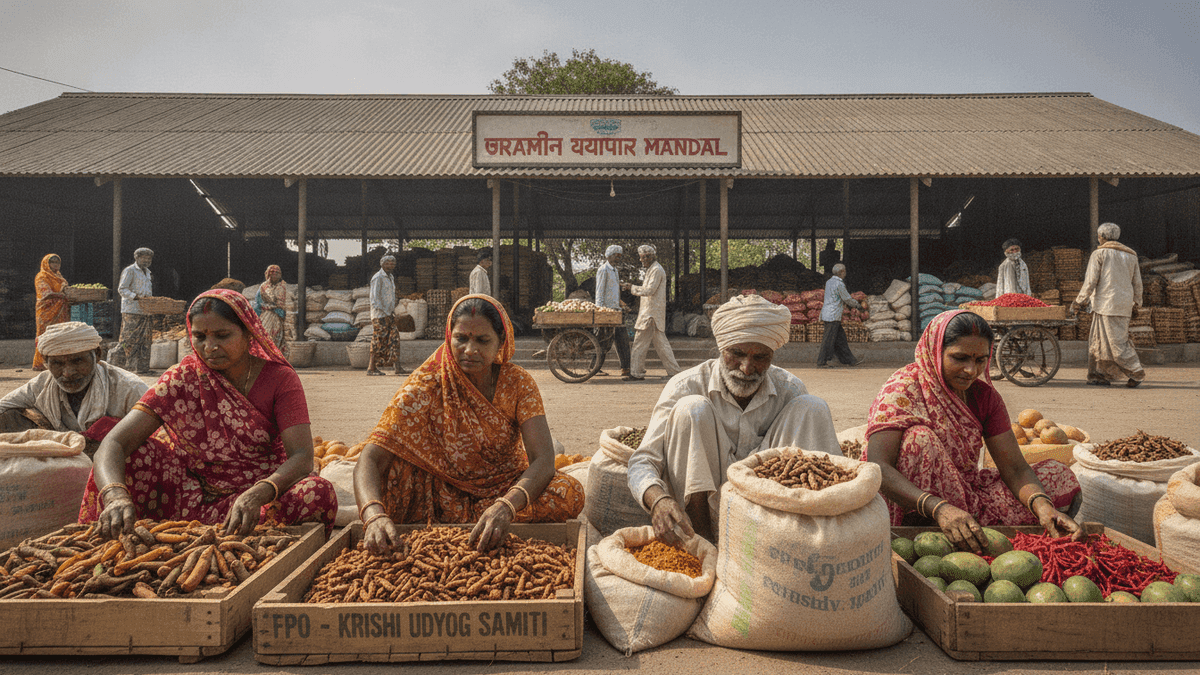
Explore the India-UK FTA’s structural impact on trade, export growth, and the rural economy, highlighting NABARD’s role. Unpack zero-duty access and tariff reductions.
The India-UK Free Trade Agreement (FTA) marks a pivotal moment, poised to significantly elevate India’s export capabilities and sharpen the competitive edge of its domestic industries. Dr. Shaji Krishnan V, Chairman of NABARD, characterized this as a historic pact designed to fortify economic ties between the two nations.
Fundamentally, the agreement operates on a straightforward mechanism: it grants zero-duty access for a substantial array of Indian products into the UK market while simultaneously reducing tariffs on others. This strategic tariff liberalisation is expected to dismantle trade barriers, thereby expanding India’s global presence and fostering increased business turnover through enhanced market access and economic openness across trade, investment, services, and technology sectors.
The full realisation of the FTA’s benefits, however, hinges upon a robust and supportive domestic environment. This structural prerequisite underscores that while external agreements open doors, internal reforms and preparedness are crucial for capitalising on new opportunities and integrating them effectively into the national economic fabric, as Dr. Krishnan emphasized.
NABARD’s Evolving Mandate for Rural Development
In parallel to international trade shifts, NABARD itself is undergoing a significant structural transformation, moving beyond its traditional role of providing credit and rural liquidity. The institution is now strategically repositioning as a primary financier of rural infrastructure and a catalyst for broader investment throughout the rural economy.
This evolving mandate involves a systematic approach to identifying critical investment gaps within the rural sector. NABARD is actively mapping agricultural value chains to pinpoint areas where targeted investments can foster sustainable livelihood creation, spanning production, processing, marketing, and distribution. This framework aims to build enduring economic resilience from the ground up.
Central to this strategy is enhanced collaboration with Farmer Producer Organisations (FPOs) and cooperative institutions. NABARD is committed to bolstering their capacity and ensuring their greater participation in the rural economy. Concrete steps include the computerisation of nearly 70,000 primary cooperative societies, a move aimed at significantly improving transparency and operational efficiency across the cooperative network.
Prime Minister Narendra Modi’s consistent focus on safeguarding the interests of small and marginal farmers, artisans, and other rural producers during trade negotiations provides a critical domestic policy overlay. This ensures that agreements like the India-UK FTA are not solely driven by market economics but also consider their profound impact on livelihoods, integrating social equity into trade policy frameworks.
Together, the comprehensive scope of the India-UK FTA and NABARD’s reoriented mission highlight a dual-pronged structural approach to national economic advancement. The external push for market access converges with internal efforts to strengthen rural economic foundations, suggesting a deliberate strategy to build a more competitive and equitably developed India.