India’s Polymer Banknotes: A Structural Shift for Durability & Security
By Business Desk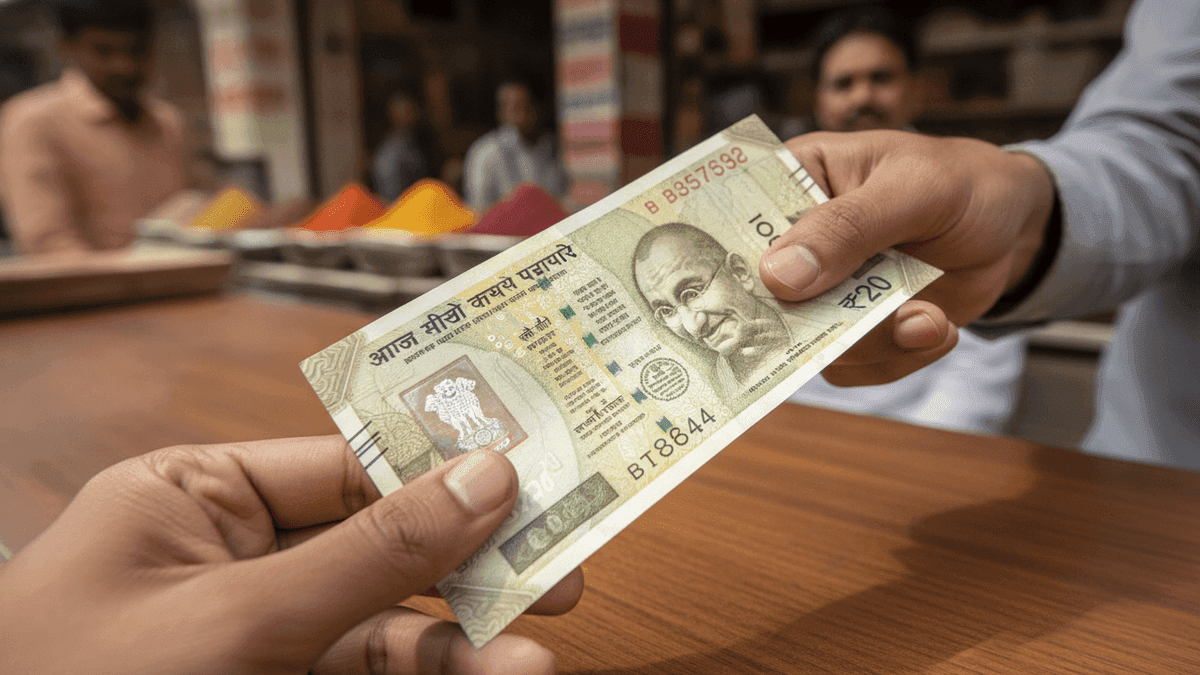
India’s RBI is set to introduce polymer banknotes for lower denominations, enhancing durability, reducing costs, and boosting security. Learn about this currency evolution.
India is embarking on a significant structural upgrade to its currency system, with the Reserve Bank of India (RBI) actively progressing plans to introduce polymer banknotes. This pivotal shift, spearheaded by the RBI’s currency printing subsidiary, Bharatiya Reserve Bank Note Mudran (BRBNMPL), recently saw an Expression of Interest (EoI) issued to global and domestic manufacturers for the requisite specialized material.
The initial rollout is strategically targeted at lower denominations, specifically Rs 10 and Rs 20 notes. This approach acknowledges the high circulation frequency of these notes, which currently experience rapid deterioration under India’s diverse climatic conditions and intense handling. Globally, this technology originated in Australia and has been successfully adopted by central banks in countries such as the United Kingdom, Canada, New Zealand, and Singapore, demonstrating a proven track record.
The Structural Imperatives: Durability and Cost Efficiency
The primary analytical lens for this transition centers on unit economics and systemic efficiency. Polymer banknotes are inherently more durable, designed to withstand moisture, dirt, and the rigors of heavy circulation significantly better than their traditional cotton-pulp paper counterparts. Studies suggest these plastic notes can last two to five times longer, directly translating into reduced printing and replacement costs over their operational lifespan.
This extended lifespan addresses a critical inefficiency within the current system, where approximately two lakh damaged paper notes are withdrawn annually. Such a high rate of attrition imposes substantial recurring costs on the exchequer for reprinting and managing currency disposal. The adoption of polymer substrate thus represents a long-term investment in public finance, aiming to optimize the cost structure of currency management.
Enhancing Currency Security Architecture
Beyond durability, the move to polymer banknotes is a strategic play in the ongoing arms race against counterfeiting. Polymer notes offer superior anti-counterfeiting features, including transparent windows, intricate holograms, and color-shifting elements, which are considerably more challenging for illicit operators to replicate effectively.
This security enhancement is particularly pertinent given the recent rise in detected fake high-denomination notes, notably Rs 500 notes. By elevating the baseline security features across the currency spectrum, the RBI aims to bolster the overall integrity of India’s financial system and maintain public confidence in its legal tender. Procurement criteria further reinforce this, mandating manufacturers have at least three years of experience supplying polymer banknote substrates with embedded security features to central banks, while explicitly prohibiting raw materials for India-specific substrates from China or Pakistan, underscoring national security considerations.
Historical Context and Forward Outlook
The concept of polymer currency is not new to India; the RBI first proposed it in 2007 and even conducted pilot projects for Rs 10 polymer notes in various cities. Despite several tenders and feasibility studies over the years, a nationwide rollout had not materialized until now. RBI Governor Sanjay Malhotra recently confirmed the central bank is actively examining the pros and cons, indicating the initiative is currently in a preliminary stage.
This historical context highlights the inherent inertia in transforming a system as vast and complex as a national currency. While the path has been long, the current push signifies a renewed commitment to addressing the structural vulnerabilities of paper currency. The transition, though gradual, is a strategic move towards a more resilient, cost-effective, and secure monetary infrastructure for India’s future.
One Thing to Consider Today
When observing major infrastructural shifts, consider the long-term systemic benefits beyond immediate operational changes. The transition to polymer currency, while seemingly incremental, reflects a fundamental re-evaluation of national cost structures and security postures.