India’s Plastic Rs 10 & 20 Notes: What’s in Your Wallet?
By Business Desk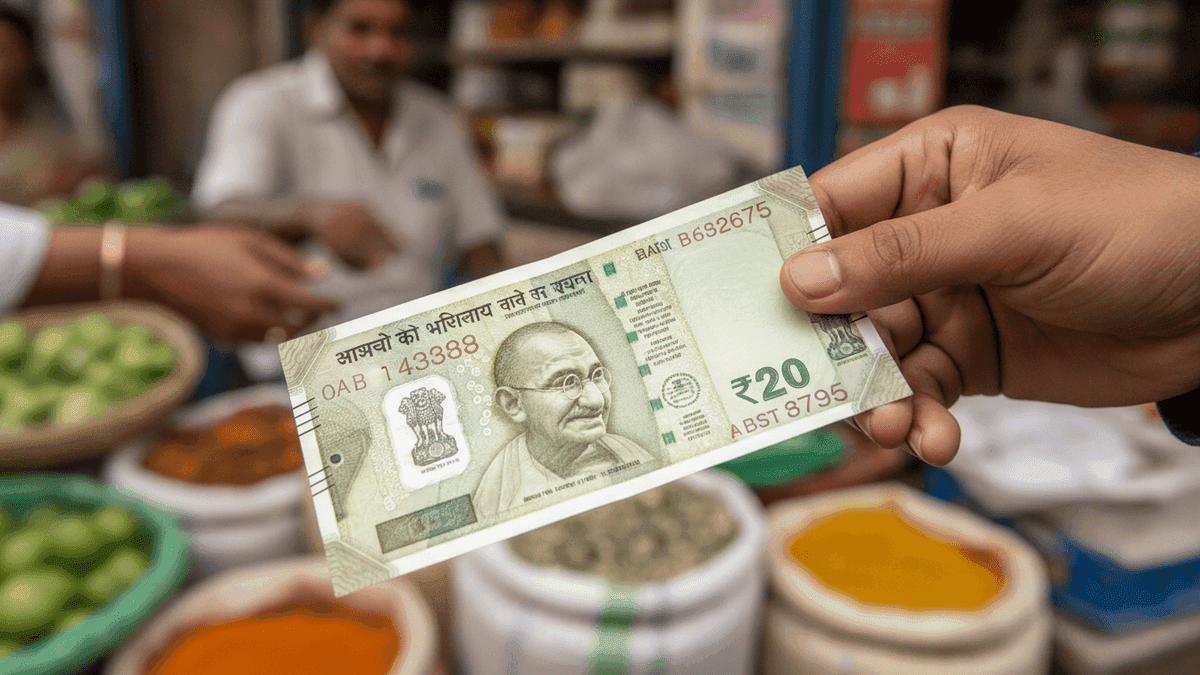
RBI pilots polymer Rs 10 & 20 notes next year for enhanced durability, security, and cost-efficiency. Discover the impact on India’s cash system.
🔥 Main Takeaway
India is gearing up for a major cash upgrade, with the Reserve Bank of India (RBI) piloting plastic Rs 10 and Rs 20 notes next year, promising tougher, smarter money for everyone.
📌 What Happened?
The Reserve Bank of India (RBI) is initiating a pilot project for polymer (plastic) currency notes, starting with Rs 10 and Rs 20 denominations, with an anticipated launch next year.
RBI’s currency printing subsidiary, Bharatiya Reserve Bank Note Mudran Private Limited (BRBNMPL), has issued a Global Expression of Interest for 68,000 reams of specialized BOPP-based polymer substrate.
These new notes are engineered with advanced security features, including a clear window with a portrait, a metallic numeral, a magnetic pseudo thread, a shadow image, and an iridescent pattern.
A wider rollout across India could potentially commence in 2027, contingent upon the successful outcome of these initial field trials.
💰 Why It Matters
For consumers, this means more durable currency that resists tearing and water damage, ensuring your cash lasts longer and feels cleaner in daily transactions.
From an economic standpoint, polymer notes offer superior resistance to counterfeiting, significantly boosting financial security and maintaining trust in India’s currency system.
Their extended lifespan translates to fewer notes needing frequent replacement, potentially leading to reduced long-term printing costs for the RBI and a lower environmental footprint.
This initiative aligns India with over 50 countries globally, including Australia, which first introduced plastic currency in 1988, signaling a modernization of its cash infrastructure.
👀 What to Watch Next
Keep a close watch on the pilot project’s results next year, as its success or challenges will directly influence the future widespread adoption of plastic currency across India.
The ongoing global bidding process for substrate suppliers is crucial, especially given the stringent security conditions regarding operations and raw material sourcing from countries like China or Pakistan.
This could mark the beginning of a significant shift away from traditional paper notes, potentially impacting everything from ATM technology to how citizens physically interact with their money.