India Cash Loans: ₹20,000+ Borrowing May Cost 100% Penalty
By Sivam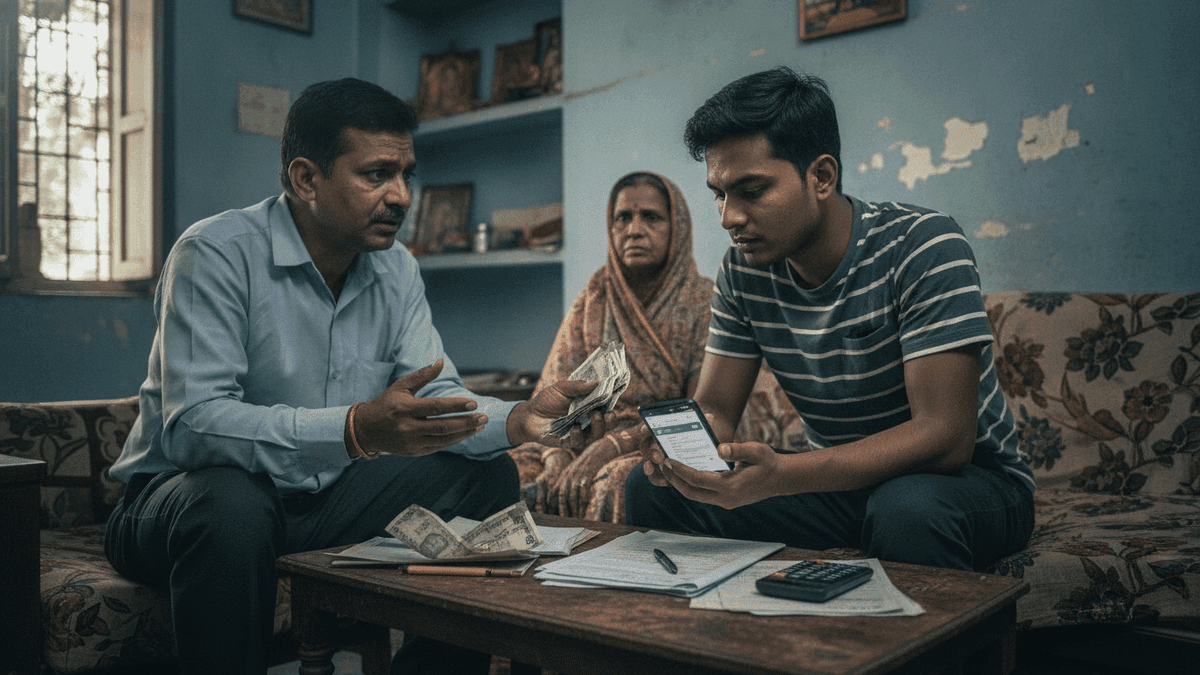
Borrowing over ₹20,000 in cash from friends/family in India? Beware of a potential 100% tax penalty. Ensure transactions are via banking channels to avoid issues.
New Rule on Cash Borrowing Impacts Personal Finance
In India, individuals engaging in cash transactions with friends or family now face stringent regulations, particularly concerning borrowed funds. A recent development highlights that borrowing cash exceeding ₹20,000 from personal acquaintances can lead to substantial tax penalties, potentially amounting to 100% of the borrowed sum. This regulation underscores the government’s push towards greater financial transparency and the formalization of monetary exchanges within the economy.
The mandate emphasizes that such transactions must be routed through established banking channels to circumvent intense scrutiny from tax authorities, ensuring accountability and traceability of funds. The ₹20,000 threshold is a critical figure for anyone considering a cash loan from a friend or a family member. Exceeding this limit in cash, regardless of the relationship between the parties, triggers the penalty mechanism.
Understanding the ₹20,000 Cash Transaction Limit
The primary objective behind this stipulated limit is to deter the circulation of unaccounted money and to bring informal financial dealings into the purview of the formal banking system. This measure represents a significant step in enhancing fiscal discipline and ensuring that all substantial financial movements are recorded and verifiable. The requirement to process transactions through banking channels is not merely a suggestion but a mandatory directive.
This includes methods such as bank transfers, cheques, or digital payment platforms. Opting for these formal routes provides a clear audit trail, which is crucial for both the lender and the borrower. It serves as documented proof of the transaction, safeguarding both parties from potential disputes and, more importantly, from the severe tax implications associated with non-compliance. Ignoring this directive risks the imposition of a penalty that matches the entire borrowed amount, effectively doubling the financial burden on the borrower.
Implications for Borrowers and Lenders
The implications of this rule extend beyond just the immediate penalty. Non-compliant cash transactions can attract unwanted attention from tax departments, leading to detailed investigations into an individual’s financial affairs. Such scrutiny can be time-consuming, stressful, and may uncover other discrepancies, even if unrelated to the initial cash borrowing. Therefore, understanding and adhering to this regulation is paramount for maintaining financial integrity and avoiding legal complications.
The policy aims to reduce the prevalence of black money and illicit financial flows by making large cash transactions between individuals less viable and more risky. This regulatory framework encourages a shift in how personal loans are conducted within the country. Instead of relying on informal cash exchanges, individuals are now incentivized to utilize the robust banking infrastructure that India has developed. This not only provides a layer of security and transparency for the parties involved but also contributes to the broader national goal of a more formalized and digitally integrated economy.
Ensuring Compliance and Financial Transparency
The move aligns with ongoing efforts to curb tax evasion and ensure that all financial transactions, regardless of their informal nature, are conducted within legal boundaries. For individuals, proactive financial planning and awareness are essential. Before engaging in any borrowing activity, especially from friends or family, it is crucial to ascertain the amount and ensure that any sum exceeding ₹20,000 is processed exclusively through banking channels.
This due diligence helps in mitigating risks and prevents inadvertent violations of tax laws. Educating oneself about these financial norms is a responsibility that falls on every financially active citizen, particularly in an evolving regulatory landscape. The government’s stance is clear: while personal relationships often involve financial support, such support must align with national fiscal policies. The 100% penalty serves as a powerful deterrent, signaling the seriousness with which authorities view deviations from prescribed financial conduct.
This policy is not designed to impede genuine financial assistance between individuals but to ensure that such assistance is conducted transparently and accountably, thereby strengthening the overall financial ecosystem. In conclusion, the regulation imposing a 100% penalty on cash borrowings exceeding ₹20,000 from friends or family in India is a significant measure aimed at promoting financial transparency. Adherence to banking channels for such transactions is non-negotiable to avoid severe tax penalties and extensive scrutiny. Individuals must prioritize formal financial practices to ensure compliance and contribute to a more robust and accountable economy. This policy reinforces the importance of formalizing financial interactions to uphold fiscal integrity.