Guatemala Fintech Growth: Remittance Solutions
By Sivam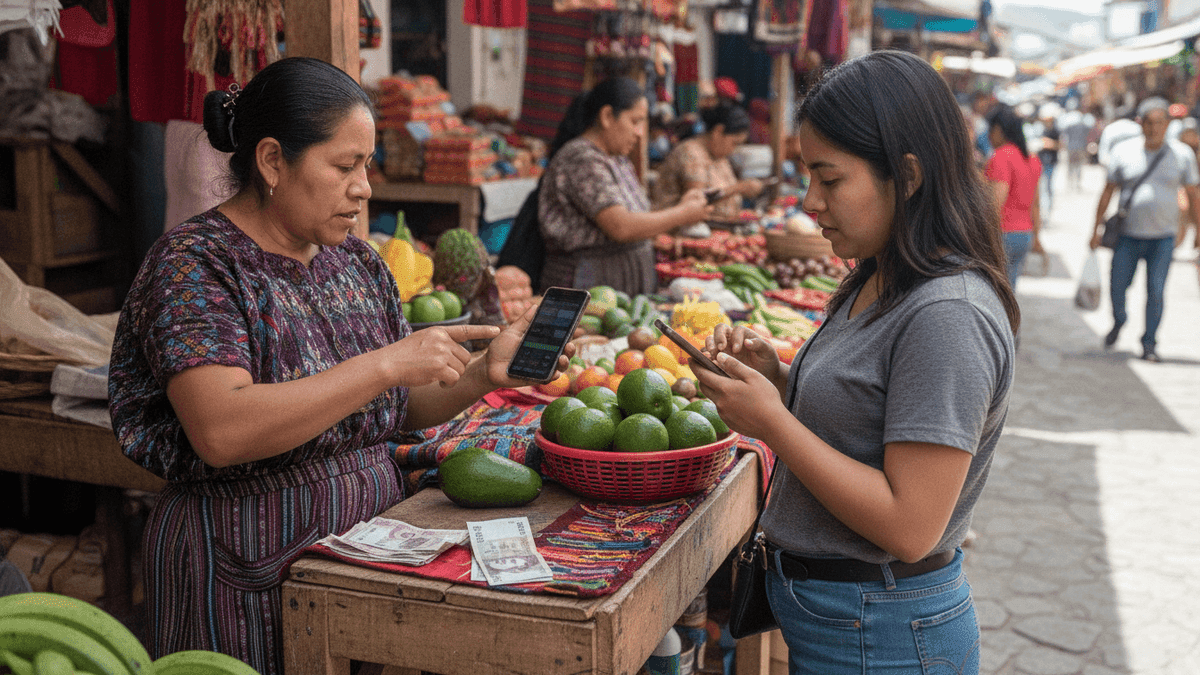
Guatemala’s fintech sector booms, leveraging its 19% GDP remittance reliance to drive financial inclusion and formalize economies.
Guatemala’s burgeoning fintech landscape is fundamentally shaped by the nation’s profound economic reliance on remittances, which constitute approximately 19% of its Gross Domestic Product. This unique structural dynamic positions digital financial services as an indispensable mechanism for enhancing affordability, security, and integration into the formal economy, particularly for ordinary households, informal workers, and small entrepreneurs within Central America’s largest economy.
The imperative for digital transformation is most pronounced within the remittance corridor. Here, digital wallets, direct bank transfers, and mobile services are progressively displacing traditional cash payouts. This shift offers a crucial pathway to broader financial inclusion, establishing linkages to essential services such as savings, payments, credit histories, and insurance products for previously underserved populations.
Evidence of this structural shift is clear in the sector’s rapid expansion. The Guatemalan fintech industry has witnessed a remarkable 400% growth over five years, increasing from a mere five companies to 31. This expansion underpins a broader digital payments surge, projected to reach $12.7 billion by 2025. Major financial entities, including Tigo Money and Banco Industrial, are actively expanding their mobile and online service offerings, illustrating the market’s response to this evolving demand.
Effective regulation by Banco de Guatemala is critical to ensuring the secure development of e-wallets and digital payment systems. This regulatory oversight provides the necessary legal clarity, consumer protection, and anti-money laundering compliance, fostering a trusted environment crucial for sustained growth and broader adoption across the diverse population, including large indigenous communities.
Looking ahead, future growth trajectories include the implementation of open banking frameworks. This innovation promises to deliver more accurate credit scoring and personalized financial products for both consumers and Small and Medium-sized Enterprises (SMEs). Furthermore, the integration of fintech solutions into the agricultural sector holds significant potential to improve access to credit and establish efficient payment channels for rural producers, addressing long-standing structural gaps in financial access.
However, the path to fully inclusive digital finance is not without its structural impediments. Persistent challenges include inadequate infrastructure, uneven internet access, a deep-seated cash dependency, limited financial literacy, and the ever-present threat of cybersecurity. Addressing these core issues is paramount for cultivating trust and ensuring equitable growth across Guatemala’s varied demographic landscape.
Ultimately, Guatemala’s fintech evolution represents a compelling case study of how a nation’s unique economic structure—specifically, its reliance on remittances—can serve as a powerful catalyst for digital innovation. The ongoing efforts to address inherent inequalities and formalize economic activities through technology will determine the long-term impact on financial inclusion and the broader economic health of the nation.