GIFT City’s New Maritime Framework: A Structural Play for Capital
By ThePip Desk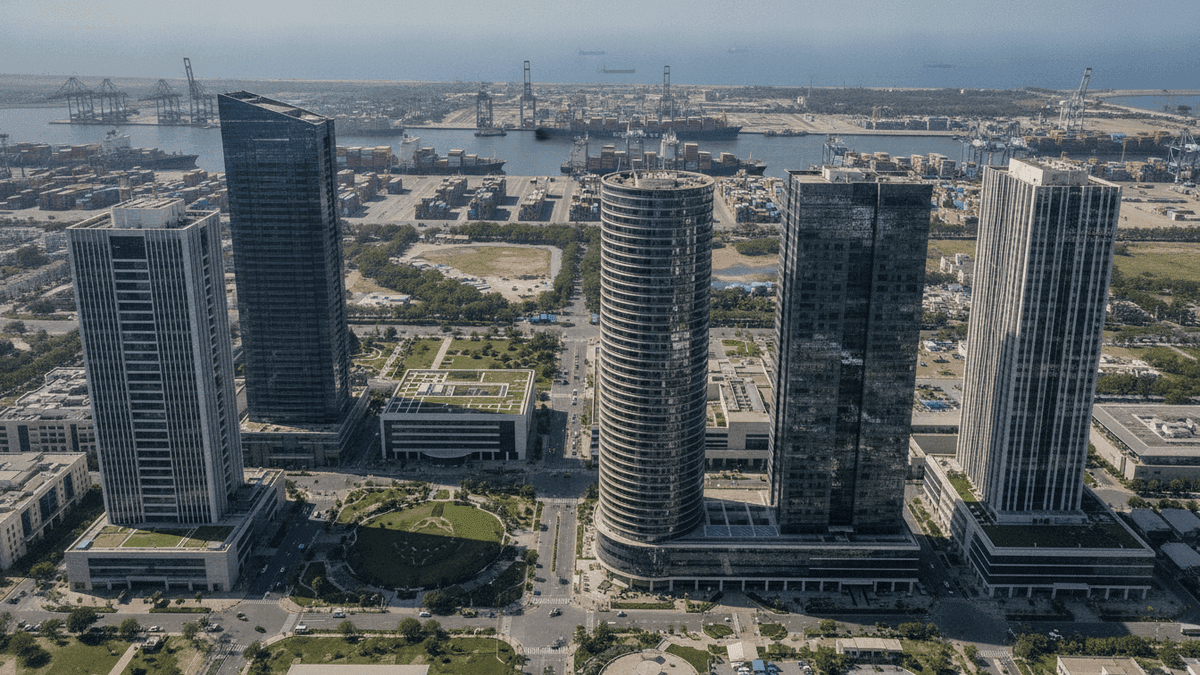
India’s government exempts GIFT City IFSC units from foreign vessel chartering licenses, aiming to establish a global maritime leasing and finance hub.
India has initiated a pivotal regulatory reform designed to fundamentally reshape its maritime financing landscape. The Ministry of Ports, Shipping and Waterways has announced an immediate exemption for eligible units within the International Financial Services Centre (IFSC) at GIFT City, freeing them from the licensing requirement to charter foreign vessels for export, import, and international trade. This strategic move, operating under the framework of the Coastal Shipping Act, 2025, positions GIFT City as a critical node in the global maritime leasing and finance ecosystem.
This policy adjustment is more than a mere bureaucratic tweak; it represents a first-principles application of regulatory design to foster a specific market segment. By removing a significant administrative hurdle, India aims to create a more attractive environment for international capital to flow into maritime assets. Union Minister Sarbananda Sonowal underscored this intent, highlighting the government’s broader strategy to transform India’s maritime sector through sustained reforms and infrastructure enhancements, building on progress achieved over the past 12 years.
Leveraging the IFSC Framework for Maritime Growth
The core mechanism here involves leveraging the unique advantages of an IFSC, which is designed to operate as an offshore financial center within India’s geographical boundaries. Such centers often employ specific regulatory carve-outs to attract foreign investment and expertise, effectively creating a competitive ‘regulatory moat’ around targeted financial activities. In this instance, the exemption under Section 11 of the Coastal Shipping Act, 2025, specifically targets the friction points in ship chartering, a cornerstone of maritime trade and finance.
This structural approach is anticipated to catalyze the establishment of robust ship-owning and leasing frameworks directly within India. The Ministry’s statement confirms that this reform is expected to encourage global capital involvement, addressing a long-standing need for deeper financial infrastructure in the sector. While the exemption is precise—limited to specific licensing requirements and not altering the existing coastal trade regime—its impact on the maritime services ecosystem at GIFT City is projected to be substantial.
The strategic intent is clear: rather than incremental adjustments, this policy targets a structural impediment to India’s ambition of becoming a global maritime financial hub. By reducing the operational overhead for foreign vessel chartering, the government is making a calculated bet that the resultant increase in global capital and expertise will yield long-term benefits, solidifying GIFT City’s status as a premier International Financial Services Centre for maritime businesses.