Call Rates Rise to 5.30%: Impact on Your Loan Costs
By Sivam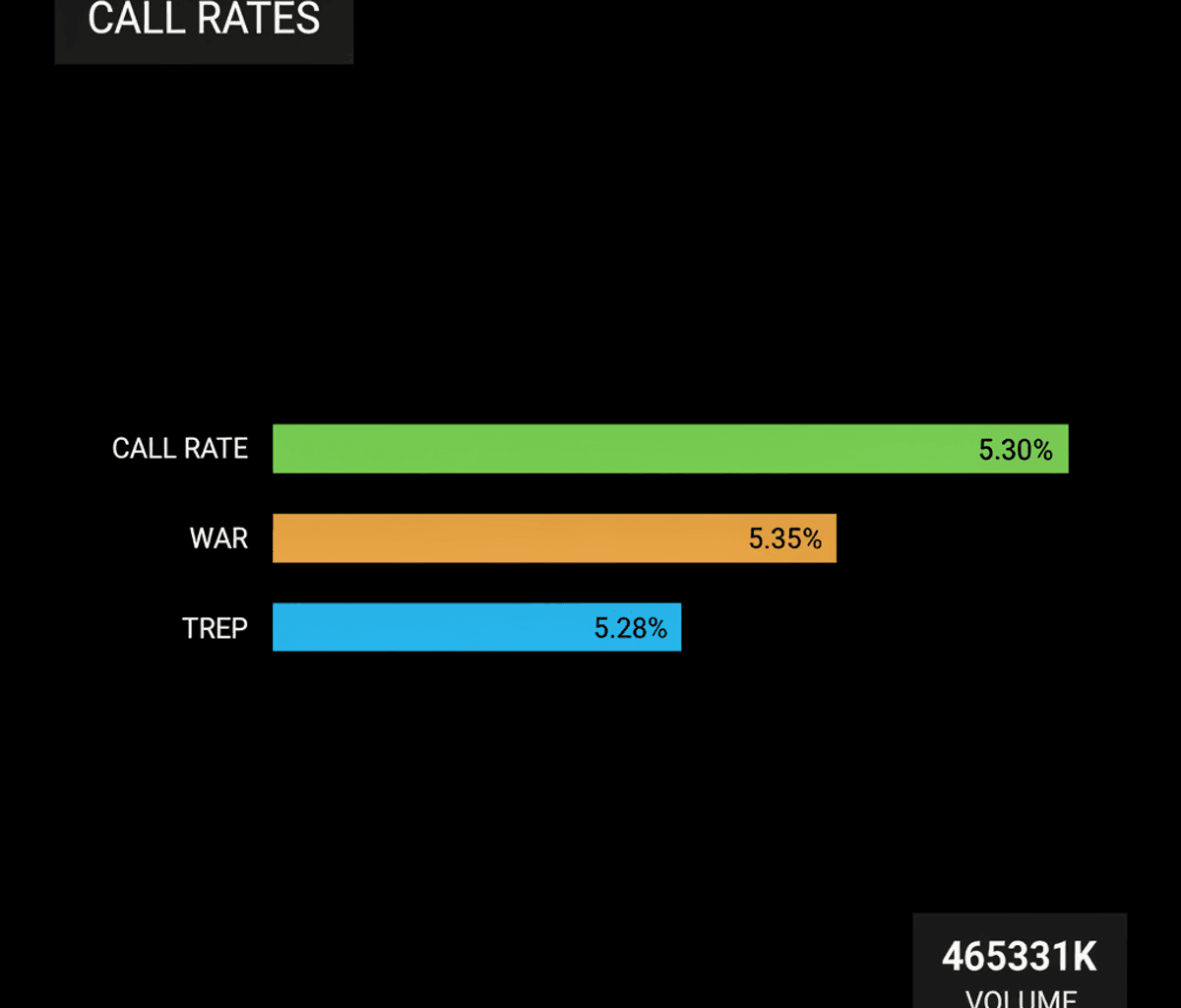
Interbank call rates surged to 5.30%, signaling potential increases in future loan interest rates for consumers. Understand the impact of rising bank borrowing costs.
THE PIP (TL;DR): Rising interbank borrowing costs could eventually nudge up interest rates on your loans. Interbank call rates rose to 5.30% from 4.85% on Monday, according to Accord News, as banks increased their short-term borrowing at the start of a new reporting cycle. While the impact isn’t immediate, sustained higher rates among banks can broadly influence consumer lending rates over time.
Interbank call rates, which are the rates at which banks lend and borrow funds from each other for short periods, saw a notable increase to 5.30% on Monday. This marked a significant climb from the 4.85% recorded on Friday, according to Accord News data. The weighted average rate (WAR) in the call money market also reflected this upward trend, settling at 5.35% on Monday, compared to 4.85% at the close of last week, indicating a general hardening of short-term borrowing costs.
This surge in borrowing costs was primarily driven by heightened demand from banks needing short-term funds. The beginning of a new reporting cycle often sees banks adjusting their liquidity positions to meet reserve requirements or manage their day-to-day cash flows. This routine but intense demand for funds at the cycle’s onset puts upward pressure on these overnight lending rates.
While these interbank movements might seem distant from your daily finances, they are crucial indicators of liquidity within the broader banking system. Sustained increases in the call rate can signal tighter money conditions, which could broadly influence the marginal cost of funds-based lending rate (MCLR) or external benchmark-linked lending rates over time. This means that, in the long run, the cost of borrowing for you, whether for a home loan or a personal loan, could see upward pressure if these interbank rates remain elevated, potentially impacting your monthly EMIs.
The broader short-term money market also showed similar trends. The weighted average rate in the Triparty Repo (TREP) market, another key segment for interbank borrowing, stood at 5.28% on Monday, handling a substantial volume of Rs 465331.45 crore so far. These figures collectively indicate a robust, though currently more expensive, flow of liquidity within the financial system as banks actively manage their resources, a normal part of the financial cycle.
ONE THING TO CONSIDER TODAY
Now might be a good time to review the interest rate structure of your existing loans to understand how they are benchmarked and what factors could influence their future EMIs.