Maruti Suzuki Cars to Cost Up to Rs 30,000 More From June 2026
By Sivam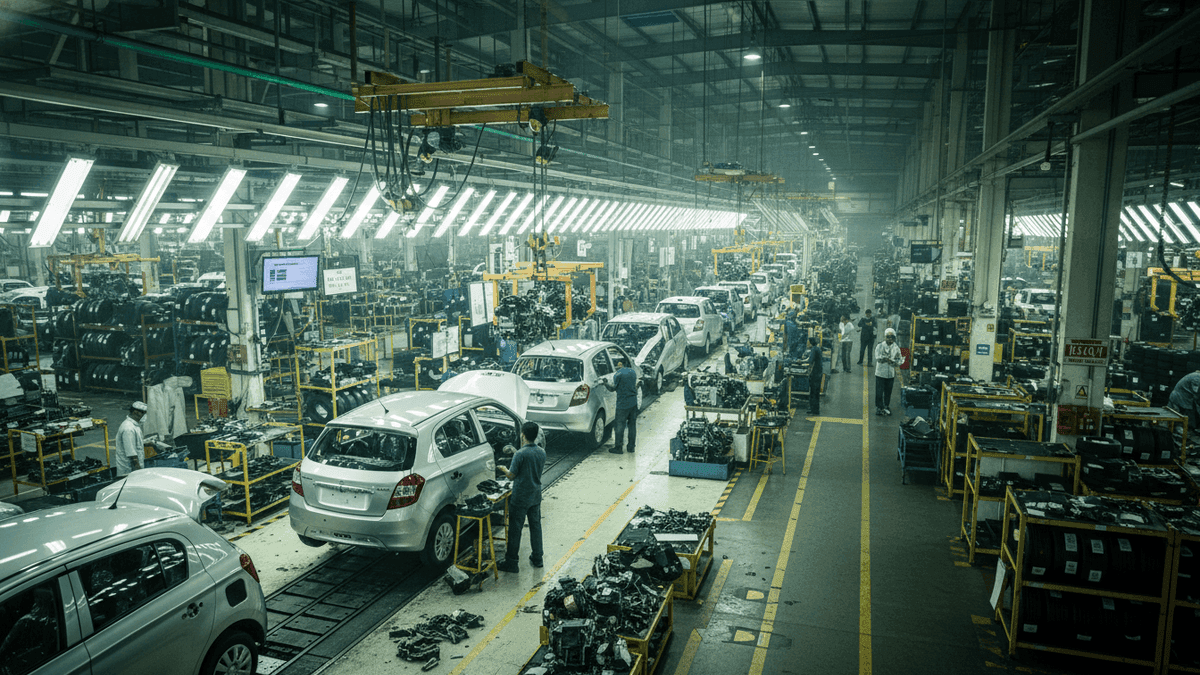
Maruti Suzuki has announced a price hike of up to Rs 30,000 across its vehicle range starting June 2026, driven by rising input costs and inflation.
The prominent Indian automaker Maruti Suzuki has officially announced a strategic decision to implement a comprehensive price increase across its entire vehicle range, effective from June 2026. This upward price adjustment, which is projected to reach up to Rs 30,000 depending on the specific model and variant, comes as a direct response to the escalating financial pressures within the automotive manufacturing sector. By detailing this upcoming price revision, the company highlights the growing challenges of maintaining price stability in an environment characterized by persistent macroeconomic headwinds and rising operational expenditures. This development marks a significant shift for the automaker, which has long positioned itself as a benchmark for affordability and value in the highly competitive domestic passenger vehicle market.
Impact of Rising Input Costs on Vehicle Pricing
At the core of Maruti Suzuki’s decision to raise prices is the sustained rise in input costs that has heavily impacted the automotive manufacturing landscape over recent periods. The production of modern passenger vehicles requires a complex array of raw materials, including high-grade steel, aluminum, precious metals for catalytic converters, and various advanced electronic components. When the global and domestic supply chains experience sustained upward pressure on these essential materials, the overall cost of manufacturing rises proportionally. For a high-volume manufacturer like Maruti Suzuki, even marginal increases in the per-unit cost of raw materials can aggregate into substantial financial burdens across their massive production lines, ultimately necessitating structural adjustments to their retail pricing strategy.
Inflationary Pressures and the Decision to Hike Prices
In addition to the direct material expenses, broader inflationary pressures have continued to exert significant influence on the company’s overall operational cost structure. Inflation affects multiple facets of the automotive manufacturing ecosystem, including energy costs, logistics, labor, and overhead expenses associated with maintaining sprawling manufacturing facilities. As these inflationary factors compound over time, they create a cumulative burden that challenges the financial sustainability of existing price points. Maruti Suzuki’s decision to announce the price hike well in advance of its June 2026 implementation date reflects a measured approach to navigating these systemic economic challenges, allowing both the company and its vast consumer base to prepare for the inevitable adjustment.
Evaluation of Internal Cost Reduction Measures
Prior to finalizing the decision to pass these rising expenses on to the end consumers, Maruti Suzuki has actively pursued and implemented various internal cost-reduction measures. These operational efficiency initiatives are typically designed to optimize manufacturing processes, streamline supply chain logistics, reduce waste, and improve overall productivity across the organization’s assembly lines. By focusing on internal cost containment, the automaker has attempted to absorb the brunt of the escalating market pressures for as long as possible without compromising on product quality or safety standards. However, the sheer scale and sustained nature of the current economic headwinds have eventually outpaced the savings generated by these internal optimization efforts, forcing a strategic pivot.
The Strategic Decision to Pass Expenses to Consumers
Because internal efficiency gains and cost-reduction protocols could no longer fully offset the mounting financial pressures, Maruti Suzuki has determined that it must now pass on a portion of these increased expenses to its customers. This decision represents a delicate balancing act for the automaker, which must protect its operating margins and financial health while simultaneously managing consumer demand and market share. By choosing to pass on only a portion of the total cost increase, rather than the entire burden, the company aims to mitigate the immediate impact on car buyers. This structured cost-sharing approach ensures that the brand remains relatively competitive while securing the necessary capital to sustain its extensive manufacturing and distribution operations.
Future Outlook and Implications for the Automotive Market
Looking ahead to the implementation date in June 2026, the scheduled price increase of up to Rs 30,000 will likely influence consumer purchasing behavior and market dynamics in the preceding months. Prospective buyers may accelerate their purchasing decisions to secure vehicles at current price levels before the hike takes effect, potentially leading to a temporary surge in sales volumes in the short term. For the broader automotive industry, Maruti Suzuki’s pricing adjustment serves as a critical indicator of the ongoing economic pressures facing manufacturers. As the market leader adjusts its pricing framework to cope with sustained input costs and inflation, it may establish a precedent for other players in the industry to re-evaluate their own pricing structures in the face of similar macroeconomic realities.