Maruti Ordered to Replace Car Over E20 Fuel Damage in India
By ThePip Desk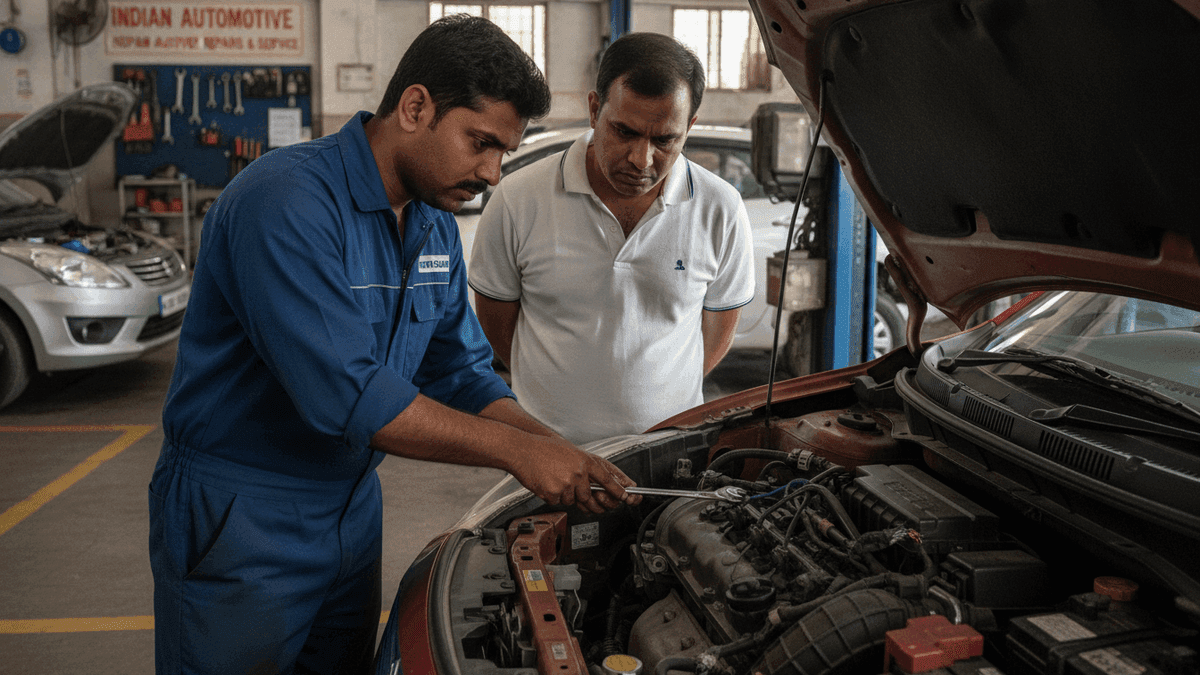
India’s first ruling: Maruti ordered to replace car damaged by E20 fuel, setting a precedent for automaker accountability and consumer rights.
🔥 Main Takeaway
An Indian court’s landmark decision ordering Maruti to replace a car due to E20 fuel damage establishes a significant precedent for automaker accountability and consumer rights in the evolving fuel landscape.
📌 What Happened?
An Indian judicial body has issued a directive for the prominent automotive manufacturer, Maruti, to provide a replacement vehicle to a consumer. This order specifically cites damage to the car resulting from the use of E20 fuel, a blend containing 20% ethanol.
This particular ruling holds considerable weight as it marks the first time an Indian court has passed judgment on a case involving vehicle damage directly linked to E20 fuel. The decision sets a new benchmark for how such compatibility issues might be addressed legally within the country.
💰 Why It Matters
This ruling creates a critical legal precedent for consumer protection within India’s rapidly expanding E20 fuel market. It could significantly influence how vehicle warranties are interpreted and how liabilities are assigned when fuel compatibility issues arise, impacting both manufacturers and buyers.
For major automakers like Maruti, this decision implies increased scrutiny. Manufacturers may now face greater pressure to explicitly guarantee their vehicles’ full compatibility with E20 fuel or to clearly communicate any limitations and potential risks to prospective buyers.
Consumers gain a powerful tool for recourse. This judgment empowers vehicle owners to seek compensation or replacement for damages caused by fuel-related incompatibilities, potentially shifting more responsibility towards manufacturers to ensure product suitability for prevailing fuel standards.
The case also underscores the broader economic and environmental policy implications of India’s push towards higher ethanol blends. It highlights potential unforeseen costs and risks that could emerge during this transition, affecting both industry investment and consumer trust in new fuel technologies.
👀 What to Watch Next
The automotive industry, including Maruti, will likely be closely watching for further legal interpretations and regulatory responses following this precedent. This could lead to revisions in vehicle design, warranty policies, and public communication strategies regarding E20 fuel compatibility.
Regulatory bodies may introduce clearer, more stringent guidelines for E20 fuel compatibility standards across the automotive sector. This could involve new testing protocols or enhanced disclosure requirements for manufacturers, aiming to prevent similar disputes and enhance market transparency.
Consumer awareness and behavior concerning E20 fuel compatibility will also be key. Increased public understanding of potential risks and rights could influence purchasing decisions, potentially favoring brands that offer verifiable E20-compatible models and robust warranty support.