Maruti E100 Ethanol Car: India’s Biofuel Future & Challenges
By Technology Desk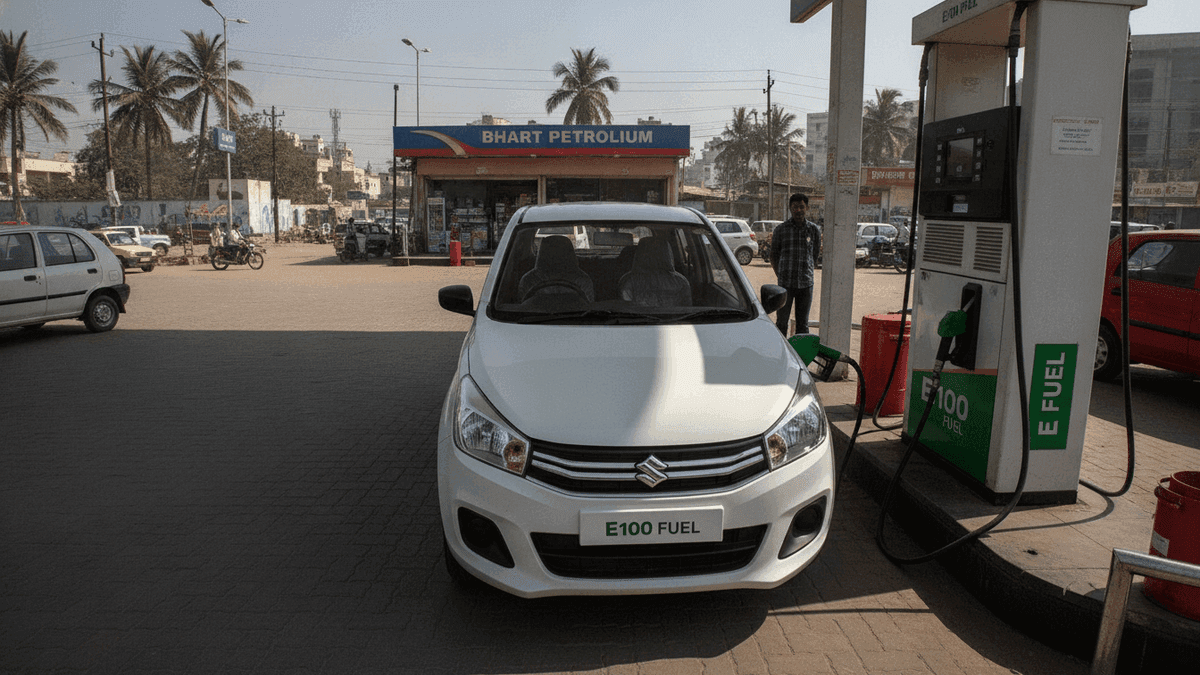
Maruti Suzuki’s E100 ethanol car initiative for India aims to cut oil imports and emissions, but faces major infrastructure and cost roadblocks. Explore the potential and hurdles.
Maruti Suzuki is making a bold move, exploring a 100% ethanol (E100) car for the Indian market. This isn’t just about a new car; it’s India’s strategic push to slash crude oil imports, boost local agriculture, and cut emissions, but the road to E100 is paved with significant infrastructure and cost hurdles.
What Happened?
Maruti Suzuki is actively developing an E100 ethanol vehicle, aligning with India’s broader national goals. This initiative aims to reduce the country’s dependence on foreign oil, support domestic farmers, and contribute to environmental sustainability.
E100 fuel, being entirely ethanol, requires substantial engineering changes to vehicle engines. Components must resist corrosion, and advanced software is needed to manage fuel flow, as ethanol burns differently and has a lower energy density than petrol.
While India has seen rapid success in achieving E20 blending targets, a 20% ethanol mix, the leap to E100 demands a far greater overhaul. This includes establishing a widespread network of E100 fuel stations nationwide, a critical step for consumer adoption.
Why It Matters
For consumers, E100 could mean a higher cost-per-kilometer for travel. Ethanol’s lower energy content suggests vehicles might consume more fuel to cover the same distance, impacting daily running expenses despite potential environmental benefits.
Investors should note that Maruti’s commitment to E100 signals a long-term play in alternative fuels. However, the success of this venture heavily depends on robust government policy support, the rapid expansion of E100 fuel pump infrastructure, and competitive pricing.
This development highlights India’s multi-pronged energy transition strategy. The nation is exploring biofuels like E100 alongside the rapid growth of electric vehicles, indicating a balanced approach rather than an exclusive focus on a single solution.
Implementing E100 technology drives significant automotive research and development. It pushes for innovations in engine design, requiring new materials for corrosion resistance and sophisticated fuel management systems to optimize performance.
What to Watch Next
Keep a close eye on Maruti Suzuki’s official launch timelines for its E100 vehicles and the government’s progress in expanding the E100 fuel pump network across the country.
Watch for new policy announcements and incentives designed to support E100 adoption. These will be crucial for addressing the existing infrastructure gaps and making ethanol cars economically viable for the mass market.
Observe the market’s response to flex-fuel vehicles, which offer a practical interim solution. These cars can run on various petrol-ethanol blends, providing flexibility as the dedicated E100 infrastructure slowly develops.