JSW MG Motor India: India’s EV Market Needs Supply, Not Demand
By ThePip Desk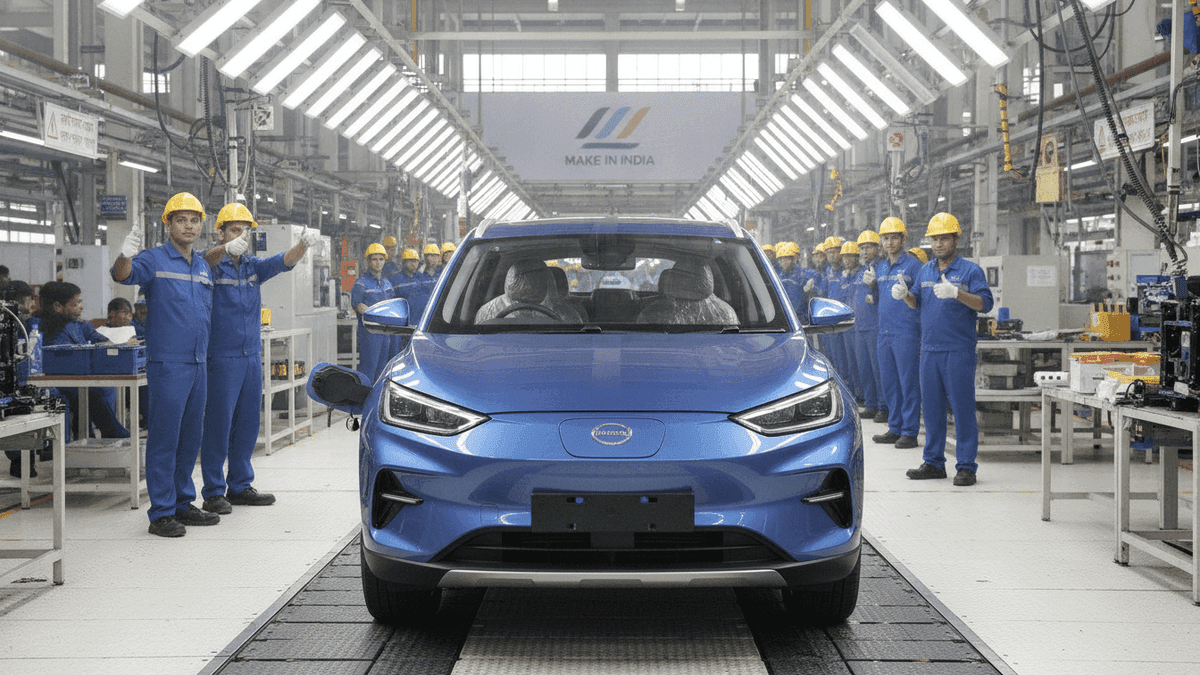
JSW MG Motor India invests ₹4,000 crore to boost EV production, addressing supply shortages with new models and increased localization. Discover their strategy.
🔥 Main Takeaway
JSW MG Motor India is pouring ₹4,000 crore into its multi-energy vehicle pipeline, signaling a massive push to solve India’s electric vehicle “supply issue” rather than a demand problem.
📌 What Happened?
Anurag Mehrotra, MD of JSW MG Motor India, stated India’s EV market lacks diverse, affordable models, not interested buyers.
The company plans a ₹4,000 crore near-term investment, with ₹1,400 crore allocated this year, focusing on localization, new products, and manufacturing capacity.
Production capacity will nearly double from 120,000 to 260,000 units annually by March 2027, with a further increase to 300,000 units in the subsequent phase.
JSW MG unveiled its ADAPT (Advanced Drive Architecture Platform Technology) platform, launching a mass-market battery electric vehicle and its first plug-in hybrid this fiscal year, targeting 70% localization for future models.
💰 Why It Matters
This investment signals a belief that India’s EV adoption will surge if more options are available, akin to the SUV market’s rapid growth.
Plug-in hybrids are positioned as a crucial bridge for consumers, especially diesel owners, easing range anxiety during the transition to full EVs.
The localization target could reduce vehicle costs and boost local manufacturing, making EVs more accessible and competitive for consumers.
Expanding the retail network from 550 to over 1,200 sales and service outlets in five years shows a clear strategy to reach beyond Tier-I cities, tapping into broader market potential.
👀 What to Watch Next
Keep an eye on the launch of JSW MG’s new mass-market EV and plug-in hybrid this fiscal year; their pricing and features will be critical for market penetration.
Observe if other automakers follow suit with significant investments and diverse model launches, potentially accelerating India’s 30% EV penetration target by 2030.
Monitor developments in charging infrastructure reliability, as Mehrotra believes market forces, not just regulations, will drive necessary improvements.