JSW MG Invests ₹1,400 Cr in New EVs & Plant Expansion
By ThePip Desk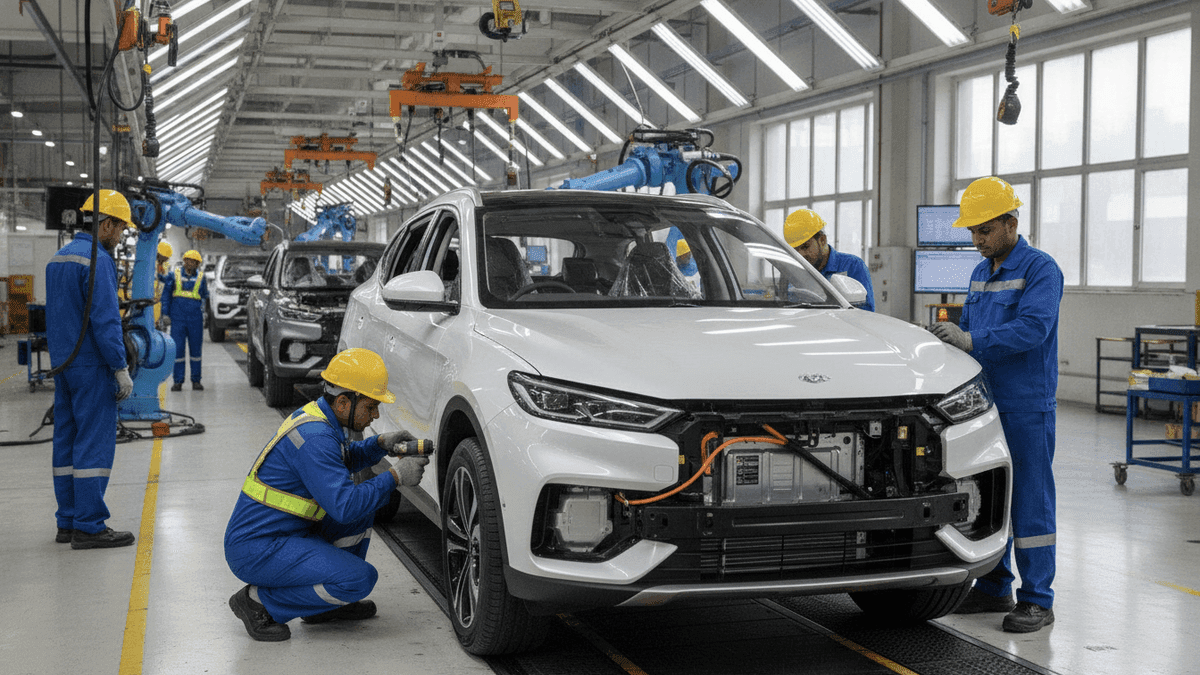
JSW MG Motor India injects ₹1,400 Cr for new EVs, boosting Halol plant capacity to 260,000 units and expanding its charging network. Future growth strategy detailed.
🔥 Main Takeaway
JSW MG Motor India is accelerating its play in the Indian EV market with a ₹1,400 crore investment this year, aiming to launch new energy vehicles and drastically ramp up production capacity.
📌 What Happened?
JSW MG Motor India committed ₹1,400 crore in immediate investment for 2024, part of a larger ₹4,000 crore growth strategy.
This capital targets three key areas: increasing local manufacturing, introducing new products, and significantly expanding production capabilities.
The company unveiled its Advanced Drive Architecture Platform Technology (ADAPT), which will underpin upcoming battery electric vehicles (BEVs) and plug-in hybrids (PHEVs).
Two new models, a BEV and a PHEV, are slated for launch within the current financial year, with necessary capital expenditure already approved.
The Halol plant’s annual capacity will jump from 120,000 to 260,000 units by March 2027, eventually reaching approximately 300,000 units.
💰 Why It Matters
This investment signals JSW MG’s aggressive push to capture a larger share of India’s rapidly evolving new energy vehicle (NEV) market.
Increased localisation to 70% for models like the Windsor EV by late 2027 will likely reduce costs and improve supply chain resilience, benefiting consumers and potentially boosting margins.
The introduction of diverse NEV models, including PHEVs, aims to address the current product diversity gap, which MD Anurag Mehrotra identifies as a key barrier to EV adoption, rather than insufficient demand.
Expanding the sales and service network from 550 to over 1,200 outlets within five years, particularly in smaller cities, is crucial for market penetration and customer accessibility beyond major metros.
👀 What to Watch Next
Keep an eye on the launch of JSW MG’s first two ADAPT-platform BEV and PHEV models this financial year, as their reception will indicate market appetite for new offerings.
The company’s capacity expansion at the Halol plant will be critical for meeting anticipated demand as the NEV market matures towards the government’s 30% EV penetration target by 2030.
Beyond product launches, the success of India’s EV ecosystem hinges on improvements in charging infrastructure reliability, which Mehrotra stressed is as vital as network expansion.