Jatco Scraps UK EV Powertrain Plant Amid Weak Nissan EV Demand in Europe
By Sivam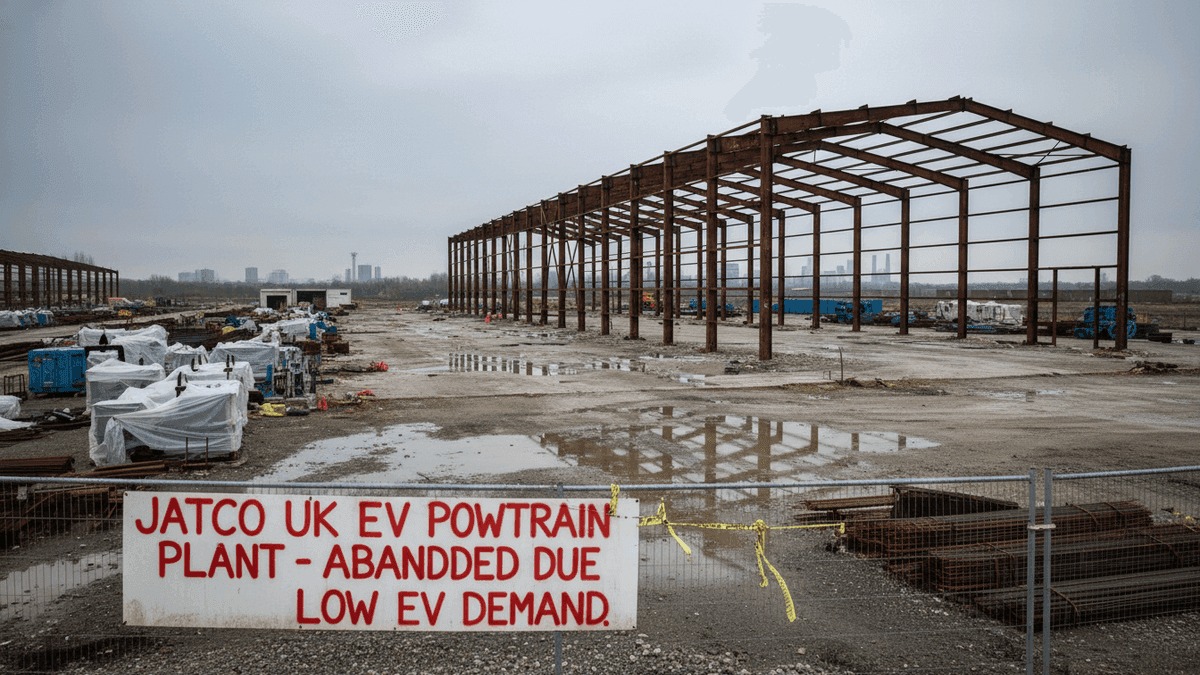
Nissan’s subsidiary Jatco has cancelled plans for an electric vehicle powertrain manufacturing plant in Sunderland, UK, citing lower-than-expected demand for Nissan’s EVs across Europe, marking a significant shift in its manufacturing strategy.
Jatco Abandons UK EV Powertrain Plant Amid Shifting Market Realities
Jatco, a key subsidiary of the global automotive giant Nissan, has officially withdrawn its plans to establish an electric vehicle (EV) powertrain manufacturing facility in Sunderland, United Kingdom. This pivotal decision underscores the evolving dynamics within the European electric vehicle market and reflects a strategic recalibration by Nissan in response to prevailing demand conditions. The cancellation signals a notable adjustment in the company’s long-term manufacturing footprint for EV components, particularly within the UK.
The primary driver behind Jatco’s decision is the reported lower-than-anticipated demand for Nissan’s electric vehicles throughout Europe. This shortfall in market uptake has necessitated a re-evaluation of production capacities and investment priorities, leading to the shelving of a project that was poised to bolster EV component manufacturing capabilities in the region. The move aligns with broader industry trends where manufacturers are meticulously assessing market viability and consumer adoption rates before committing to significant capital expenditures in EV infrastructure.
European EV Market Challenges and Nissan’s Strategic Response
The European electric vehicle market, while experiencing overall growth, presents a complex landscape with varying rates of adoption influenced by factors such as charging infrastructure, government incentives, and consumer price sensitivity. Nissan, an early pioneer in the mass-market EV segment with models like the Leaf, has encountered specific challenges in meeting its projected sales targets across the continent. This softening of demand for its electric offerings has directly impacted the business case for new manufacturing ventures, such as the proposed Jatco plant in Sunderland.
This latest development follows an earlier announcement by Nissan regarding its intentions to reduce its global auto production plants. Such a strategy indicates a concerted effort by the automaker to streamline operations, optimize resource allocation, and enhance efficiency across its worldwide manufacturing network. The decision to halt the Sunderland plant plans can therefore be seen as a direct consequence of this overarching strategy, aimed at aligning production capacity more closely with realistic market demand and achieving greater operational agility in a rapidly changing automotive environment.
Implications for UK’s Electric Vehicle Manufacturing Ambitions
The cancellation of Jatco’s EV powertrain plant has significant implications for the United Kingdom’s aspirations to become a leading hub for electric vehicle manufacturing. Sunderland, a historically important automotive manufacturing location, had been earmarked as a potential cornerstone for EV component production. The withdrawal of this investment represents a setback for local economic development and the broader strategic goal of establishing a robust domestic supply chain for electric vehicles.
For the UK government and industry stakeholders, this decision highlights the critical need for sustained policy support and market incentives to attract and retain major automotive investments. The competitive global landscape for EV manufacturing dictates that countries must offer compelling environments for companies to commit substantial capital. The case of Jatco and Nissan underscores how shifts in market demand can rapidly alter investment decisions, impacting the trajectory of national industrial strategies.
Jatco’s Role and Future Manufacturing Strategies
As a key supplier of automatic transmissions and continuously variable transmissions (CVTs) to Nissan and other global automakers, Jatco plays an integral role in the automotive supply chain. Its expertise in powertrain technology is critical for the transition towards electric vehicles. While the UK plant plan has been scrapped, Jatco’s broader strategy likely involves ongoing investment and development in EV powertrain technologies, albeit with a more cautious approach to geographic expansion and capacity planning.
The current scenario suggests a period of strategic reassessment for both Nissan and Jatco, focusing on optimizing existing capacities and carefully evaluating future investments based on more conservative market projections. The decision reflects a pragmatic response to real-world market conditions rather than a fundamental shift away from electric vehicles. However, it does emphasize the volatile nature of the EV market and the necessity for flexible, responsive manufacturing strategies to navigate evolving consumer preferences and economic pressures.