India’s Ride-Hailing Hit by Fuel Shock: Uber, Ola, Rapido Face Crisis
By Sivam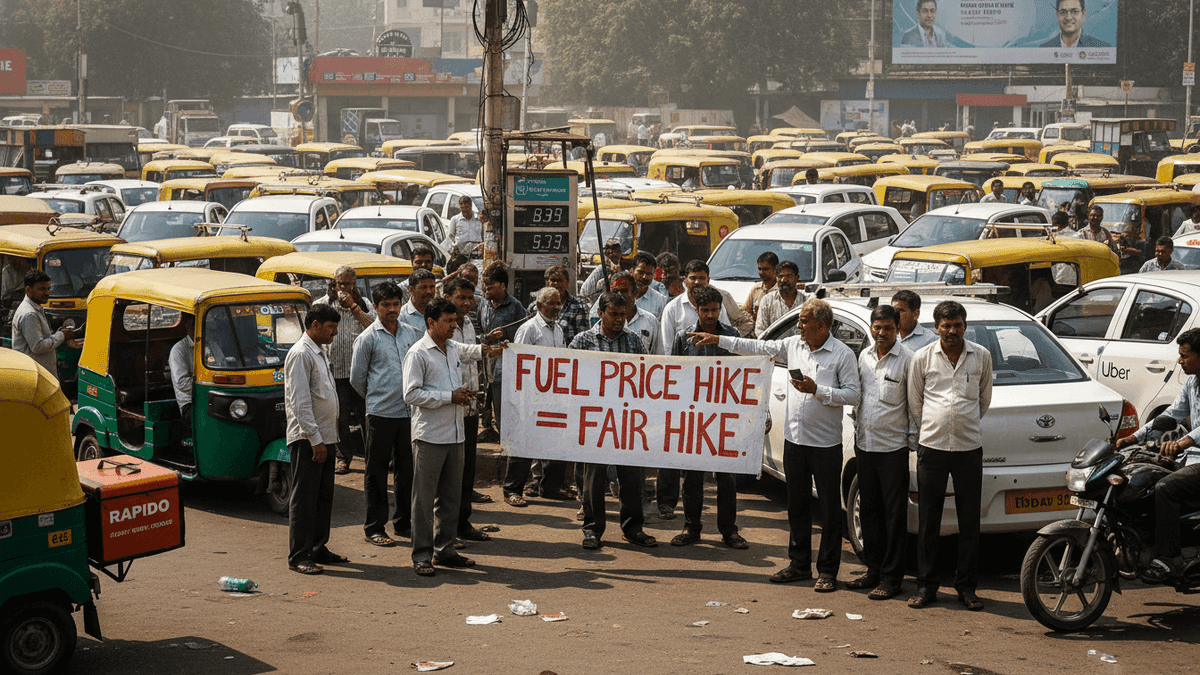
US-Iran tensions trigger fuel shock for India’s ride-hailing giants like Uber, Ola, and Rapido. Rising costs threaten operations and affordability, impacting drivers and consumers.
Geopolitical Tensions Strain India’s Ride-Hailing Market
The prolonged crude oil crisis, exacerbated by the ongoing US-Iran war, is posing significant questions for India’s burgeoning ride-hailing industry, including major players like Uber, Rapido, and Ola Cabs. This geopolitical instability is forcing a critical re-evaluation of operational sustainability and consumer affordability within the sector. Initial signs of strain are already evident, with commercial vehicle drivers’ unions in Delhi-NCR recently initiating strikes to demand immediate fare hikes, directly reflecting the escalating operating costs faced by drivers across the country. The core challenge lies in how these platforms will mitigate the fallout of rising fuel expenses and whether this inflationary pressure will fundamentally reshape urban mobility patterns in India.
Rising Fuel Costs Challenge Core Business Model Affordability
India’s app-based mobility market has historically thrived on offering affordable convenience. However, the current oil shock directly impacts the core operating cost of mobility businesses, unlike other disruptions such as the recent pandemic. Fuel expenses constitute a substantial portion of a driver’s operational budget, accounting for as much as 40% depending on the vehicle category and utilization levels, according to Ram Soni, practice leader for mobility, energy, and transportation at Praxis Global Alliance. A sustained increase in crude prices inevitably compresses margins throughout the entire value chain, initially affecting drivers and subsequently impacting the platforms themselves, with the ultimate burden falling on the end users. This dynamic creates a