India’s New Ethanol Petrol Options: E20, E25, E30 Choices
By Sivam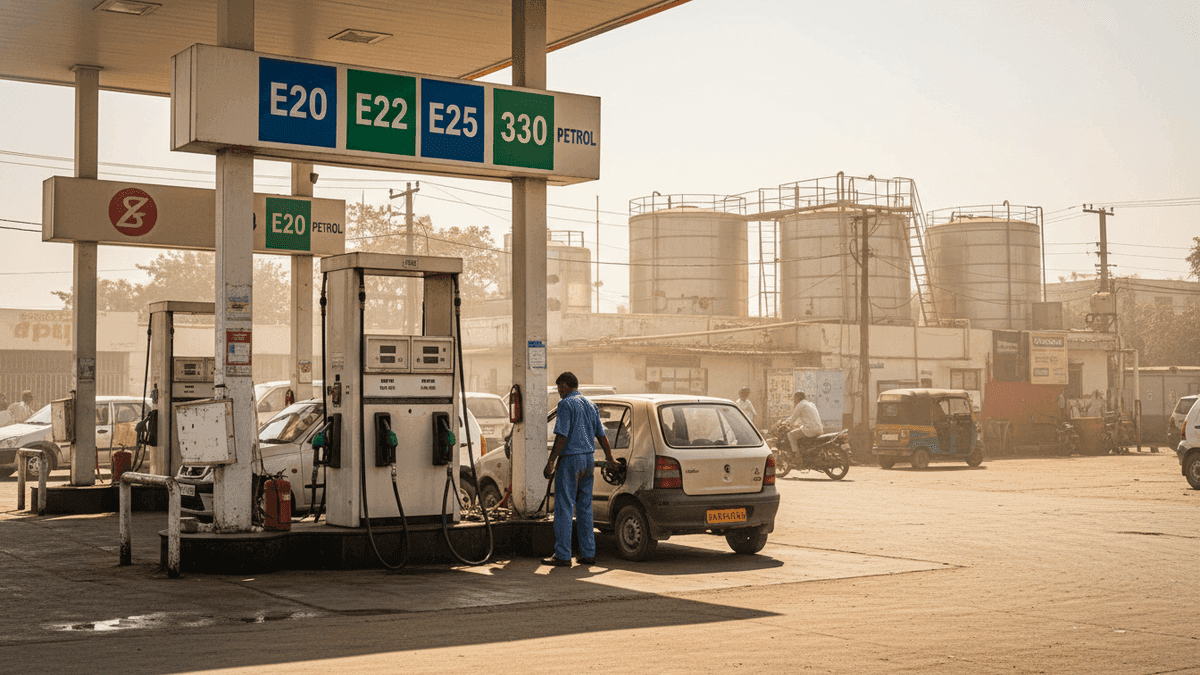
India to offer E20, E22, E25, E30 ethanol-blended petrol, boosting energy security and reducing oil imports. Consumers gain fuel choice based on vehicle compatibility.
India is embarking on a significant energy policy shift, preparing to introduce a range of ethanol-blended petrol options for consumers. This strategic initiative aims to provide vehicle owners with greater choice, allowing them to select fuel variants like E20, E22, E25, and E30 based on their car’s compatibility. The overarching objective of this move is to substantially reduce the nation’s reliance on crude oil imports and fortify its long-term energy security, marking a pivotal development in India’s pursuit of sustainable energy solutions and economic resilience.
Expanding Consumer Fuel Choices Across India
The forthcoming availability of multiple ethanol-blended petrol variants represents a notable advancement for the Indian automotive market. Consumers will soon encounter a more diverse array of fuel options at petrol pumps, moving beyond the current standard offerings. This expansion is designed to empower vehicle owners by enabling them to make informed decisions about fuel selection, ensuring optimal performance and compatibility with their specific vehicles. The introduction of E20, E22, E25, and E30 blends signifies a tailored approach to fuel consumption, acknowledging the varied technical specifications and requirements of the nation’s diverse vehicle fleet. This shift is poised to gradually transform consumer habits and fuel infrastructure across the country.
Bolstering Energy Security and Reducing Crude Oil Dependence
A primary driver behind India’s pivot towards higher ethanol blends is the strategic imperative to enhance national energy security. As a major importer of crude oil, India faces considerable economic and geopolitical vulnerabilities tied to global oil price fluctuations and supply chain disruptions. By increasing the domestic blending of ethanol, the government seeks to mitigate these risks, lessening the financial burden of crude oil imports. This policy is a crucial component of a broader national strategy to diversify India’s energy mix, fostering greater self-reliance and insulating the economy from external energy market volatility. The long-term vision is to establish a more stable and sustainable energy ecosystem.
Strategic Economic Benefits and Environmental Implications
The economic advantages stemming from reduced crude oil imports are substantial, promising to alleviate pressure on India’s trade deficit and foreign exchange reserves. A lower import bill frees up capital for other developmental initiatives, contributing to overall economic stability and growth. Beyond economic considerations, the increased adoption of ethanol-blended fuels also carries significant environmental benefits. Ethanol, being a biofuel derived from agricultural sources, generally results in lower greenhouse gas emissions compared to conventional fossil fuels. This aligns with India’s commitments to combating climate change and promoting cleaner energy alternatives, contributing to improved air quality in urban centers and a greener transportation sector.
Navigating Automotive Compatibility and Infrastructure Readiness
The successful implementation of this multi-blend strategy hinges on robust collaboration between the government, fuel suppliers, and the automotive industry. Vehicle manufacturers will play a critical role in ensuring that new and existing models are compatible with higher ethanol blends, potentially accelerating the development and adoption of flex-fuel vehicles. Simultaneously, the nationwide fuel retail infrastructure will require significant upgrades to accommodate the storage and dispensing of various ethanol-blended petrol options. This includes investments in new tanks, pumps, and quality control mechanisms to guarantee the integrity and availability of each blend. Addressing these logistical and technical challenges will be vital for a smooth transition and widespread consumer acceptance.
The Path Forward: A Vision for India’s Sustainable Fuel Future
India’s move to offer diverse ethanol-blended petrol options marks a progressive step towards a more sustainable and energy-independent future. This initiative underscores the government’s commitment to leveraging indigenous resources to meet its growing energy demands while simultaneously addressing environmental concerns. As the program rolls out, it is expected to foster innovation within both the agricultural sector, which supplies ethanol, and the automotive industry. The ability for consumers to choose their fuel based on vehicle compatibility represents a pragmatic approach to energy transition, ensuring a gradual yet impactful shift towards a greener, more secure energy landscape for the nation. This policy is set to redefine India’s energy narrative for decades to come.