India’s Ethanol Procurement Surges: Energy & Agriculture Shift
By Business Desk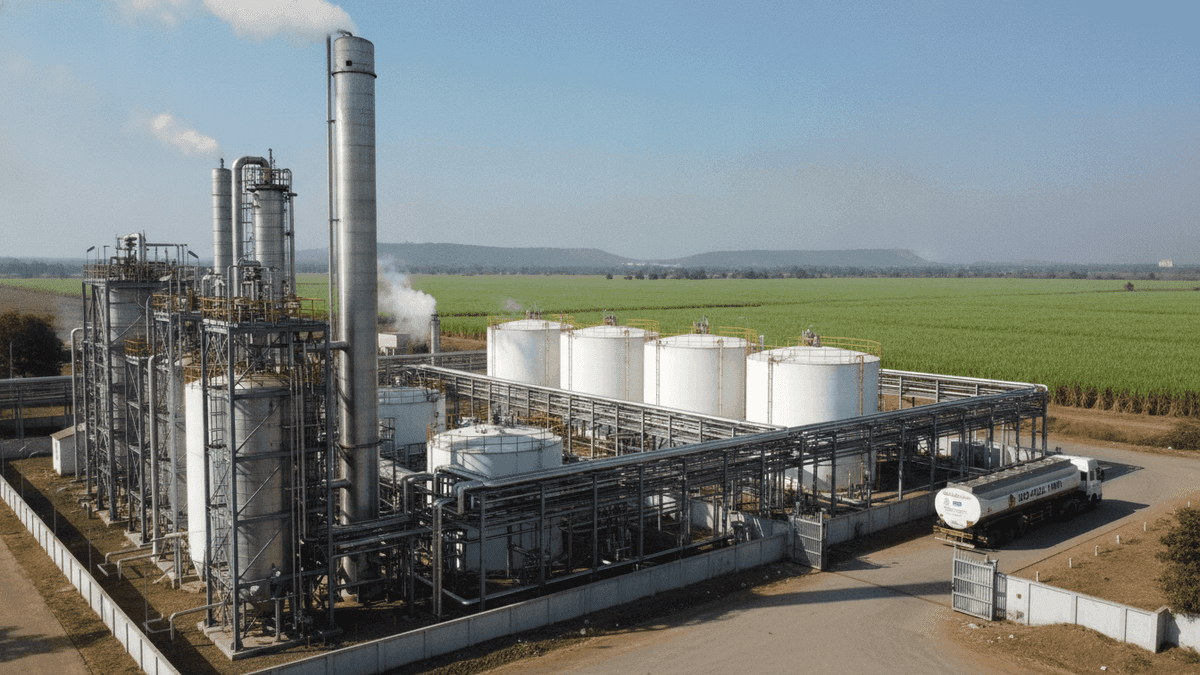
India’s OMCs boost ethanol procurement by 51.76%, investing billions to reshape energy mix and bolster domestic agriculture.
India’s Public Sector Oil Marketing Companies (OMCs) have demonstrated a profound financial commitment to the Ethanol Blended Petrol (EBP) Programme, signaling a deliberate structural shift in the nation’s energy policy. Government data presented in Parliament reveals expenditure on ethanol procurement soared from Rs 48,757 crore in Ethanol Supply Year (ESY) 2023-24 to Rs 73,996 crore in ESY 2024-25. This represents a substantial 51.76% increase in annual spending, underscoring an accelerating national strategy.
The momentum continued into ESY 2025-26, with procurement reaching Rs 49,577 crore by June alone. This figure already surpasses the total expenditure for ESY 2023-24, highlighting the sustained and intensified push to integrate ethanol into the fuel supply. Minister of State for Petroleum and Natural Gas, Suresh Gopi, confirmed these details in a written reply to the Rajya Sabha, emphasizing the government’s strategic focus.
This initiative extends beyond simple fuel blending; it represents a multi-pronged approach to energy security and agricultural integration. By primarily sourcing ethanol from domestic feedstocks such as sugarcane-based molasses and various grain-based alternatives including damaged food grains and surplus rice, India aims to reduce its reliance on crude oil imports while simultaneously providing a robust market for agricultural produce.
The operational scale of this structural change is evident in the infrastructure build-out. As of July 16, 2026, a total of 501 ethanol manufacturing units have been registered nationwide, ensuring a consistent supply of fuel-grade ethanol. Leading oil corporations like Indian Oil Corporation Ltd (IOCL), Bharat Petroleum Corporation Ltd (BPCL), and Hindustan Petroleum Corporation Ltd (HPCL) are actively involved, illustrating the broad industrial commitment to the programme.
Geographical consumption patterns further reinforce the widespread impact, with Uttar Pradesh emerging as the top consumer of ethanol-blended petrol, followed by Maharashtra, Tamil Nadu, Karnataka, and Gujarat. This broad adoption across key states confirms the programme’s deep penetration and its role in reshaping India’s energy landscape and agricultural value chains, marking a durable commitment to domestic resource utilization and environmental objectives.