India’s CAFE-III: Tech Credits Reshape Auto Compliance & EV Push
By ThePip Desk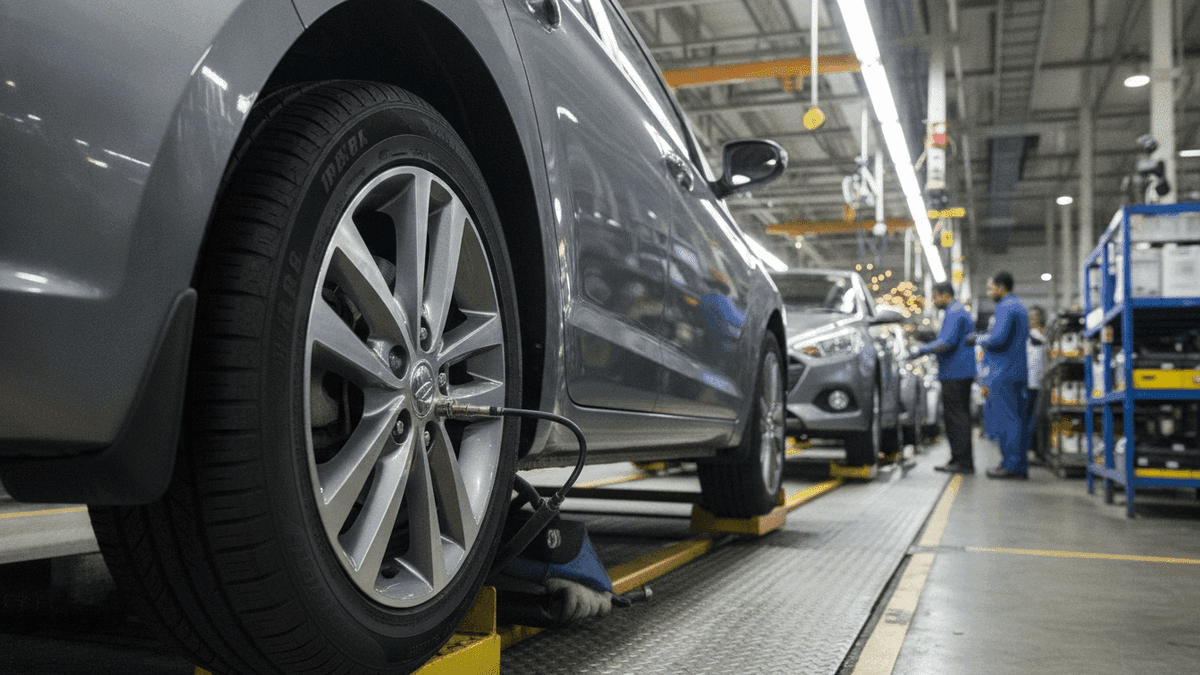
India’s CAFE-III norms introduce tech credits for automakers, easing EV transition pressure and redefining fuel efficiency compliance through innovation.
India’s automotive landscape is poised for a significant structural recalibration with the proposed Corporate Average Fuel Economy (CAFE)-III regulations. This new draft, introduced by the power ministry, fundamentally alters the traditional compliance pathways for fuel efficiency and emission standards, shifting focus beyond mere engine enhancements or powertrain electrification.
Historically, manufacturers navigated these norms primarily through incremental engine improvements, integrating hybrid powertrains, or increasing electric vehicle sales. The CAFE-III proposal introduces a novel mechanism: crediting carmakers for the implementation of specific fuel-saving technologies. This move represents a strategic pivot, offering a diversified approach to achieving environmental targets.
Under the new framework, advanced features such as tire pressure monitoring systems, sophisticated transmissions, and automatic start-stop systems will generate compliance credits. Each eligible technology could contribute the equivalent of a 1 gram reduction of CO2 per kilometer. Crucially, companies are permitted to combine these benefits, up to a cumulative limit of 9 grams of CO2 per kilometer across their fleet.
This credit system holds profound implications for mass-market carmakers. It strategically alleviates the intense, often capital-intensive, pressure to rapidly transition entire fleets to electric power. By offering an alternative compliance vector, the regulation provides a more flexible pathway, allowing for a phased approach to emissions reduction that integrates readily available technological solutions.
Many of these technologies are already standard in premium vehicle segments but have been cost-prohibitive for entry-level models. The CAFE-III proposal creates a powerful incentive for manufacturers to standardize these features across their mass-market offerings. This market-wide integration could lead to a broader diffusion of advanced safety and efficiency technologies, ultimately managing fleet-wide emission averages more efficiently.
The economic calculus for major domestic automakers will undoubtedly shift. Capital spending plans will need re-evaluation, balancing the cost of integrating these new systems against the ongoing investment in vehicle electrification. Companies with established supply chains for these specific technologies may find adaptation less challenging, potentially gaining a strategic advantage as the industry adjusts its procurement and production strategies.
Furthermore, the draft also proposes incentives for flex-fuel vehicles, broadening the scope of alternative fuel integration alongside electrification efforts. This multi-pronged approach underscores a regulatory philosophy that seeks to leverage a wider array of technological and fuel-based solutions to meet environmental objectives, rather than relying on a singular, high-cost pathway.
The regulatory landscape remains dynamic, with the proposal currently open for public consultation. The final notification of these norms and their specific implementation timelines will be critical in shaping the investment and product development strategies of the Indian automotive sector for the foreseeable future. This structural shift highlights how policy can directly influence technological adoption and market evolution.