India’s EV Scooter Boom: Mass Adoption Beyond Metros
By Sivam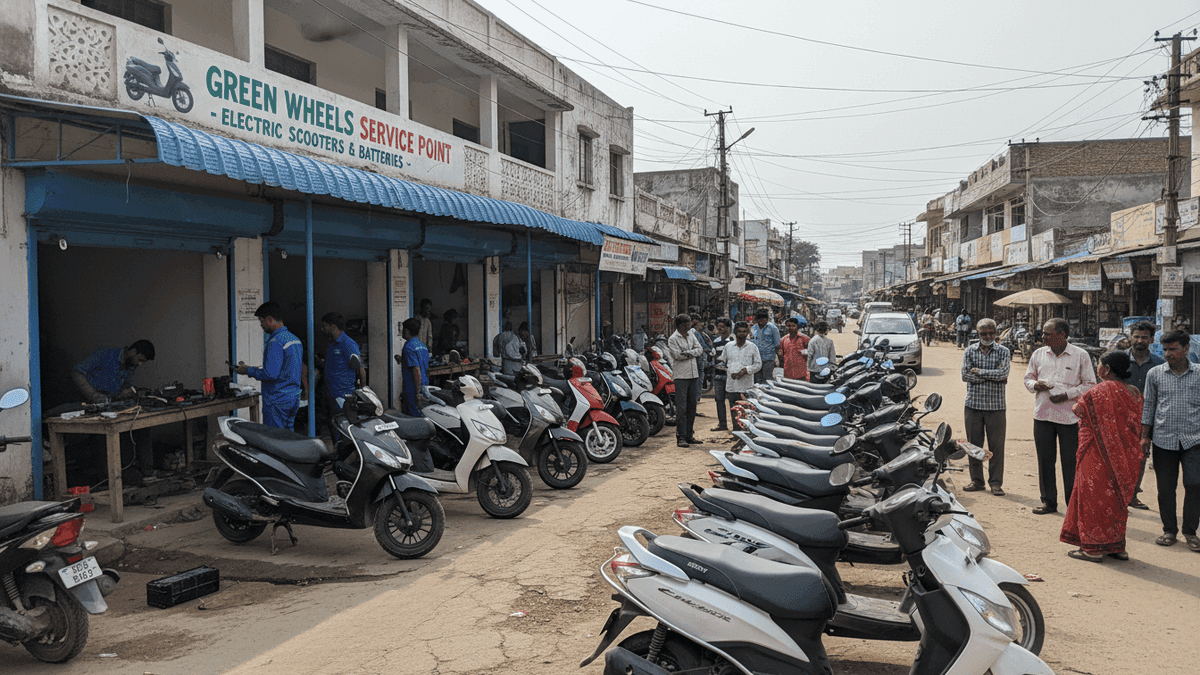
India’s electric scooter market is rapidly expanding beyond metros into smaller towns and rural areas, driven by fuel prices and growing EV acceptance, signaling mass-market adoption.
India’s Electric Scooter Market Expands Beyond Metros
India’s electric scooter market is undergoing a significant transformation, with sales now extending far beyond the major metropolitan centers. This burgeoning growth is deeply penetrating smaller towns and rural regions across the country, marking a pivotal moment for electric mobility.
This widespread geographical expansion unequivocally signals that electric mobility in India has entered a robust mass-market adoption phase. The shift indicates a maturation of the market, moving beyond early adopters concentrated in urban hubs to a broader demographic seeking sustainable and economical transportation solutions.
Established Manufacturers Gain Ground
A key development in this evolving landscape is the increasing prominence of established two-wheeler manufacturers. These legacy companies, with their deep-rooted presence and extensive networks, are strategically gaining substantial ground in the electric scooter segment. Their entry and expansion are leveraging existing infrastructure and customer loyalty, positioning them as significant players in the burgeoning EV sector.
Fuel Prices and EV Acceptance Drive Demand
The rise in consumer demand for electric scooters is primarily attributed to a combination of economic and environmental factors. Persistent high fuel prices for conventional vehicles have made electric alternatives significantly more attractive, offering a compelling cost-saving proposition for daily commuters and businesses alike.
Concurrently, there is a noticeable and steady increase in the overall acceptance of electric vehicles (EVs) among the general populace. This growing EV acceptance is driven by enhanced awareness of the technology’s benefits, improved vehicle performance, and a better understanding of the long-term economic advantages, including reduced running and maintenance costs.
Reach, Service, and Trust Crucial for Success
For players in this rapidly expanding and competitive market, several factors have emerged as crucial for achieving sustained success. Foremost among these are establishing widespread reach, ensuring reliable and accessible service networks, and cultivating deep consumer trust.
The ability to effectively reach customers in diverse geographical locations, including remote areas, is becoming a primary differentiator. This necessitates robust distribution channels and sales points that can cater to the specific needs of non-metro consumers, who may have different purchasing considerations and access to information.
Furthermore, the provision of efficient and widespread service infrastructure is vital. As electric scooters become more prevalent, accessible service centers and skilled technicians will be essential to address maintenance requirements and build consumer confidence in the longevity and reliability of their electric vehicles.
Ultimately, building and maintaining consumer trust is paramount. This encompasses transparent pricing, reliable product performance, strong after-sales support, and clear communication about the benefits and practicalities of electric mobility. Trust will be the cornerstone for fostering loyalty and driving continued adoption in this dynamic market.
The transformation highlights India’s potential to lead in electric two-wheeler adoption, moving beyond initial urban concentration to a truly nationwide embrace of sustainable transport solutions. This mass-market shift sets the stage for significant further growth and innovation within the sector.