India Hits 297 GW Non-Fossil Power, Eyes 500 GW by 2030
By Business Desk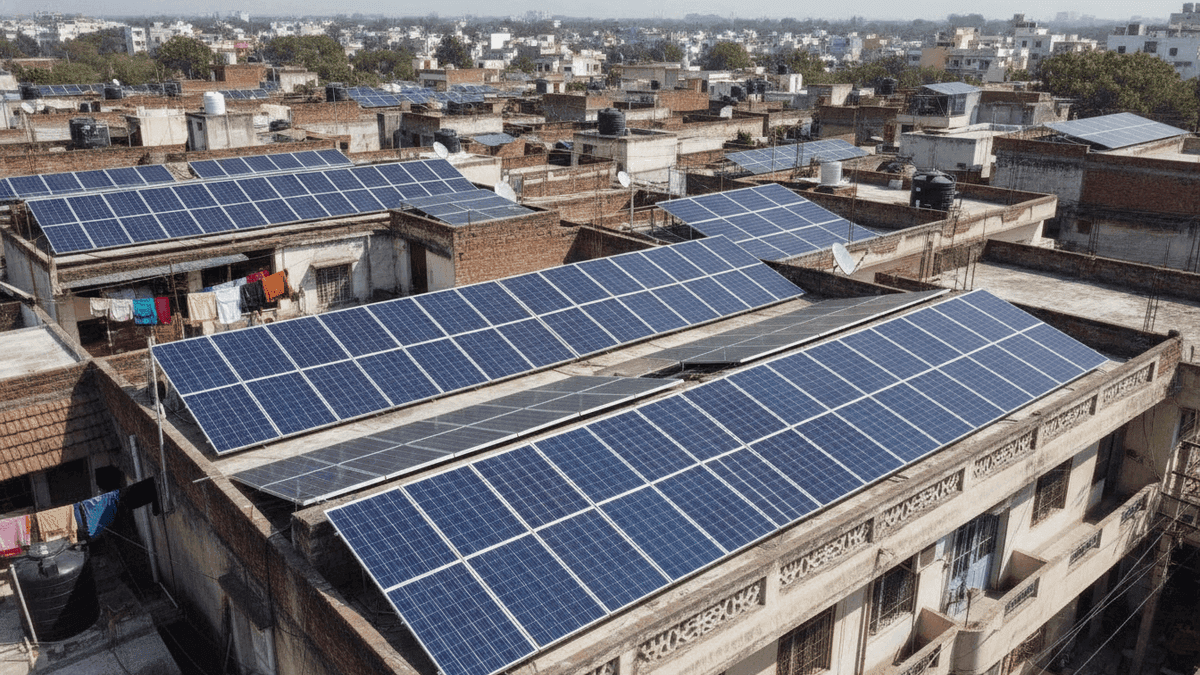
India surpasses 297 GW in non-fossil fuel power capacity, over half its total generation. The nation targets an ambitious 500 GW by 2030, boosting solar adoption.
India has made significant strides in its sustainable energy transition, with its non-fossil fuel power capacity now standing at 297 GW. This impressive figure accounts for more than half of the nation’s total installed electricity generation.
The government is firmly committed to an ambitious target of 500 GW by the year 2030. This goal is critical not only for India’s climate commitments but also for ensuring long-term energy security.
Key Capacity Milestones
- Current non-fossil fuel power capacity: 297 GW
- Targeted non-fossil fuel power capacity by 2030: 500 GW
- Households targeted by PM Surya Ghar Muft Bijli Yojana: Over 5 million
Boosting Household Solar Adoption
A pivotal initiative driving this momentum is the PM Surya Ghar Muft Bijli Yojana, which is now entering an accelerated implementation phase. This scheme aims to equip more than 5 million households with rooftop solar power.
Such decentralization of power production lessens the strain on the national grid and cultivates individual energy self-sufficiency. This move supports a more resilient and distributed energy infrastructure.
Innovating for Grid Resilience
Beyond simply expanding capacity, the government is strategically focusing on enhancing the power system’s overall resilience. Future developments will prioritize hybrid projects that integrate various renewable sources, such as solar and wind.
These projects will be coupled with advanced battery energy storage systems. Such storage solutions are vital for effectively managing the intermittent nature of renewable energy, thereby ensuring a consistent and reliable power supply.
Pioneering New Infrastructure and Missions
- Floating solar plants
- Agrivoltaics, integrating solar panels into agricultural land
- National Green Hydrogen Mission, aimed at decarbonizing industrial processes
Driving Future Demand and Investment
The escalating demand for reliable power from burgeoning sectors like data centers and electric vehicles is expected to fuel continued investment in renewable energy. This growing need for stable, green energy is further propelled by the expansion of smart manufacturing and interconnected technologies.
This environment creates substantial opportunities for renewable energy developers, equipment manufacturers, and firms specializing in battery technology and hydrogen production. Stakeholders will gather at the Bharat Renewable Energy Summit & Expo 2026 in November.
Future Outlook and Challenges
The upcoming summit will offer crucial insights into policy updates, technological collaborations, and potential capital spending in the sector. The industry’s continued progress hinges significantly on the speed of project execution.
Equally important is the financial viability of integrating large-scale battery storage, which remains essential for establishing renewable energy as a dependable alternative to traditional power sources.