Hyundai Chennai Plant Resumes Operations Post-Fire, Targets Full Recovery
By Varun Mittal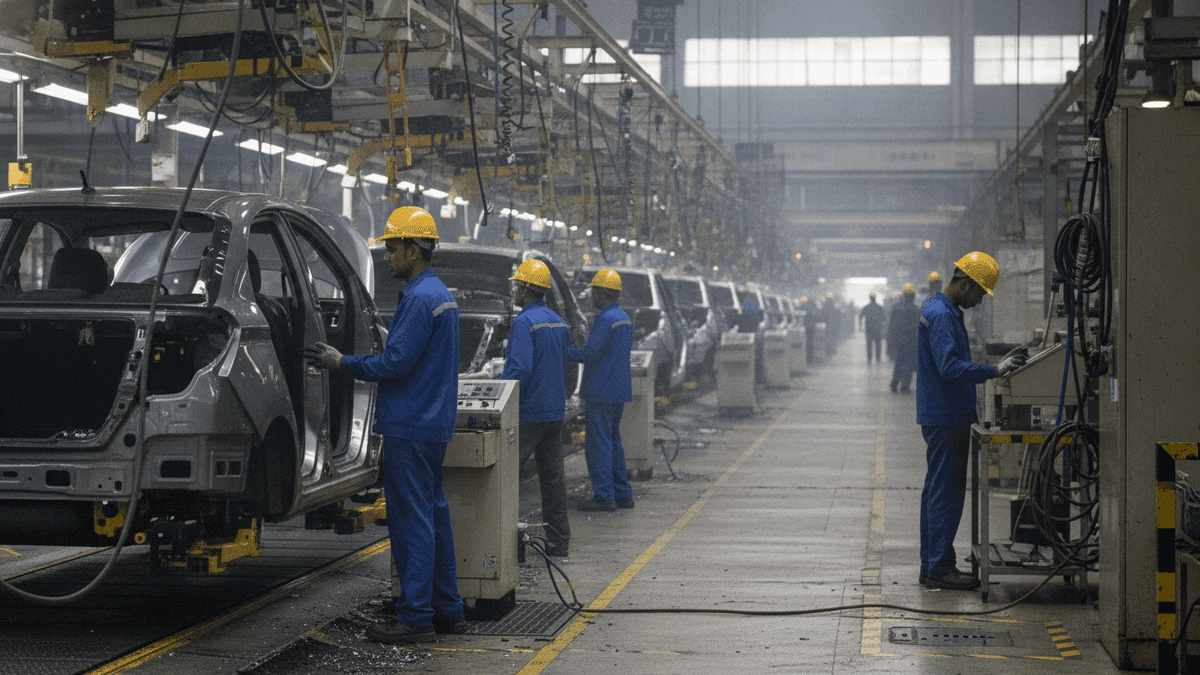
Hyundai’s Chennai plant resumes operations after a supplier fire. Expect normal production by June 15 and full recovery by June 22. Learn more about the swift restoration efforts.
Hyundai Motor India’s manufacturing facility in Chennai has successfully resumed its operational activities following a recent fire incident that occurred at a key supplier’s premises. This swift resumption underscores the automaker’s immediate response and strategic efforts to mitigate potential disruptions to its production pipeline. The company is now actively working towards a complete restoration of its manufacturing capacity, having established clear recovery milestones for both mid-June and late June, indicating a systematic approach to stabilizing its entire supply chain and vehicle output.
Immediate Impact and Mitigation Strategies
The fire incident, which originated at one of Hyundai’s critical component supplier facilities, exerted its primary impact on production at the Chennai Plant 1. This specific manufacturing unit experienced notable operational disruptions as a direct consequence of the supply chain interruption. However, it is important to note that other manufacturing facilities operated by Hyundai Motor India across its network maintained their operational continuity without experiencing significant interruptions, thereby showcasing a degree of resilience within the company’s broader production infrastructure.
In response to the immediate challenge posed by the supply disruption, Hyundai Motor India promptly activated its contingency plans. A crucial aspect of this response involved the rapid identification and securing of necessary parts from alternative supply locations. This proactive measure was instrumental in ensuring that the overall disruption to its vehicle assembly processes was effectively contained and managed, thereby minimizing the potential for widespread production halts across its product lines.
Phased Recovery and Operational Normalization
Hyundai Motor India has articulated a precise and phased timeline for the comprehensive restoration of its manufacturing capabilities. The Chennai Plant 1, which bore the brunt of the direct impact from the supplier fire, is now anticipated to achieve its normal, pre-incident production levels by June 15. This specific target date represents a significant and pivotal step in the company’s journey towards normalizing its manufacturing output and fulfilling its production schedules.
Looking ahead, the automaker projects that full manufacturing operations, encompassing all its facilities within the Chennai region, will be entirely restored and functioning optimally by June 22. This ambitious yet carefully planned target is indicative of Hyundai’s robust recovery strategies and the efficient management of the post-incident remediation process. The objective is to ensure that any long-term impact on its market supply and delivery commitments is effectively minimized, thereby maintaining its competitive standing in the automotive sector.
Strategic Implications of Rapid Response
The rapid resumption of operations coupled with the meticulously detailed recovery plan highlights the inherent robustness of Hyundai Motor India’s operational strategies, particularly when confronted with unforeseen challenges within its complex supply chain. The company’s demonstrated ability to swiftly adapt to adverse conditions and to secure alternative component supplies played a critical role in limiting the overall extent and duration of the production setback. This agility is a key factor in maintaining market confidence and ensuring a steady flow of vehicles to consumers.
Furthermore, the incident and subsequent recovery efforts underscore the importance of diversified supply chain management in the automotive industry. By having protocols in place to source components from various locations, Hyundai was able to quickly pivot and avoid more severe and prolonged production stoppages. This strategic foresight has allowed the company to regain its operational footing efficiently and to continue its manufacturing trajectory with minimal long-term repercussions.