Hyundai’s Affordable EV SUV Under ₹15 Lakh for India
By Business Desk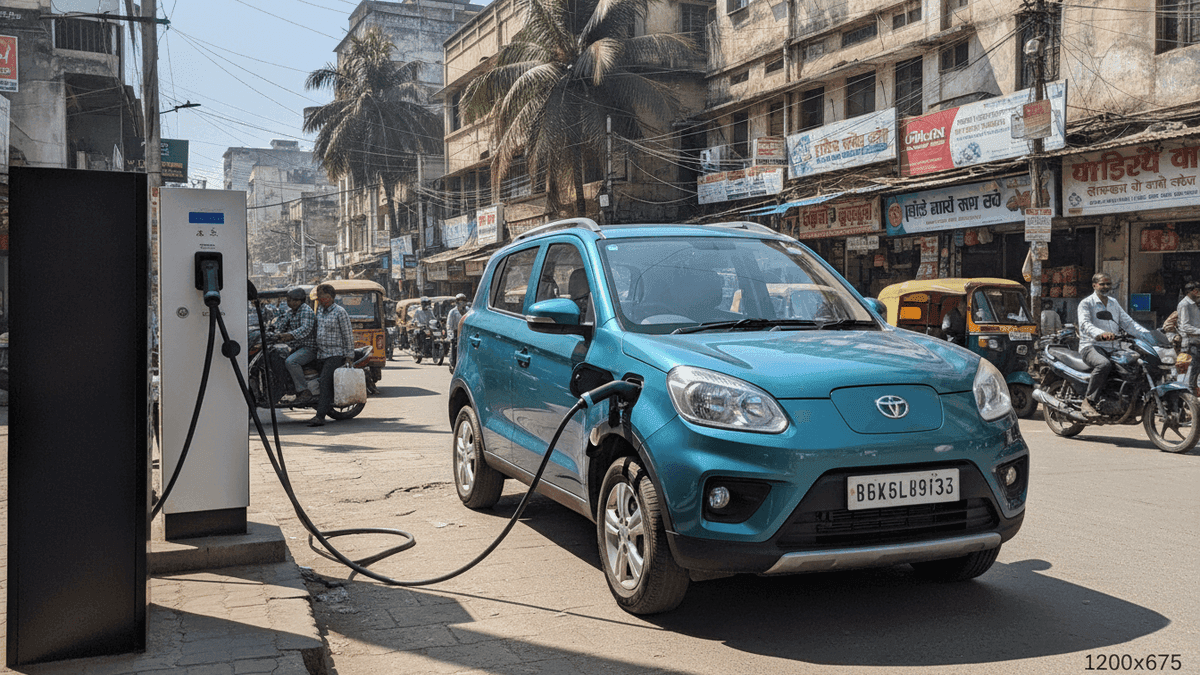
Hyundai Motor India is launching an affordable electric SUV under ₹15 lakh this fiscal year, aiming to dominate the mass-market EV segment and boost sales.
🔥 Hyundai Motor India is making a strategic leap into India’s budget-friendly electric vehicle market, signaling a major shift towards accessible EV mobility and intensifying competition.
📌 What Happened?
Hyundai Motor India (HMIL) is actively preparing for a significant expansion into India’s mass-market electric vehicle segment. The company plans to introduce its first affordable electric SUV this fiscal year, targeting the crucial sub-Rs 15 lakh price point.
To support this ambitious move, HMIL is simultaneously enhancing its charging infrastructure across the nation and increasing the localization of critical EV components. This strategic pivot positions Hyundai to directly challenge rivals like Maruti Suzuki, who already have a presence in the accessible EV category.
💰 Why It Matters
This aggressive push could unlock massive growth for Hyundai in the Indian market, potentially boosting sales far beyond the approximately 3,000 EVs sold this calendar year. For consumers, more affordable EV options mean electric cars are becoming a realistic choice for a broader audience, which will accelerate overall EV adoption and drive innovation.
The move also sends a clear signal that the Indian EV market is rapidly pivoting towards budget-friendly models, establishing this segment as a key battleground for mainstream automotive brands. Expect fierce competition as established players and new entrants vie for market share in this crucial, growing category.
👀 What to Watch Next
Investors and consumers should closely monitor the official launch of Hyundai’s compact electric SUV this fiscal year, paying attention to its final pricing and feature set. Keep an eye on how key rivals, particularly Maruti Suzuki, respond to Hyundai’s aggressive entry and whether they accelerate their own affordable EV development plans.
Further developments in India’s broader EV charging infrastructure will also be critical to watch, as robust charging networks are essential for sustained mass-market adoption and consumer confidence.