Gabriel India Ventures into Auto Electronics with HL Klemove
By Business Desk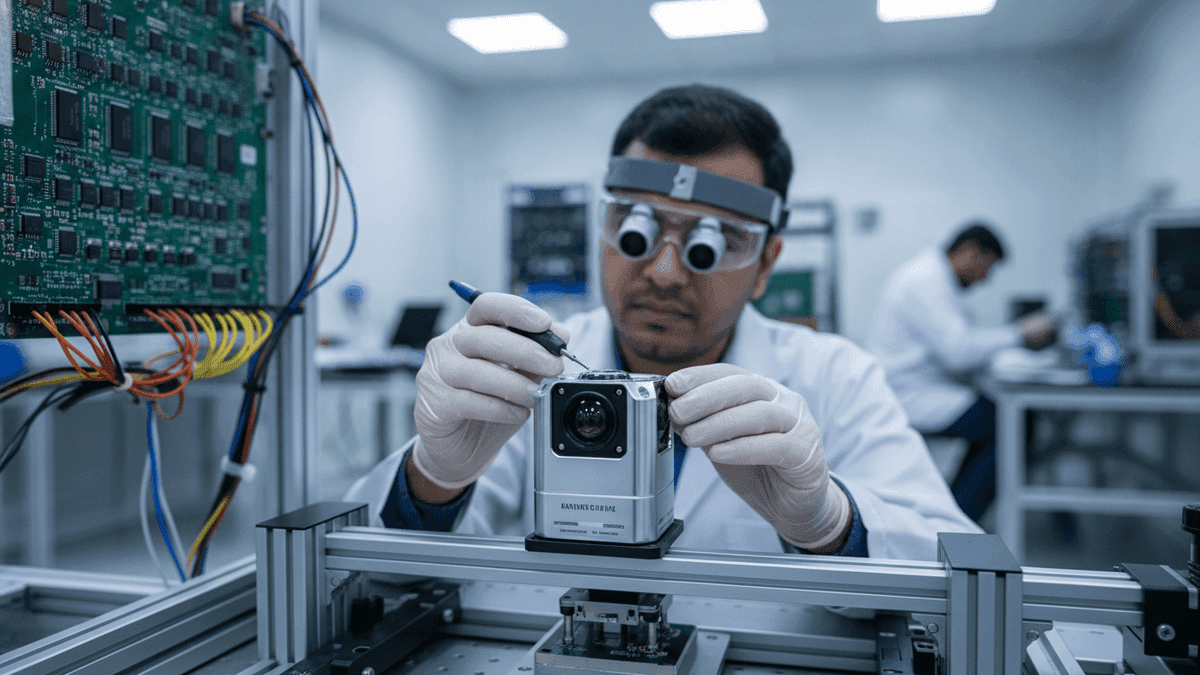
Gabriel India invests Rs 948 crore in HL Klemove India, marking a strategic pivot into autonomous driving and automotive electronics, reshaping the sector.
The Indian automotive component manufacturing sector is undergoing a profound structural reorientation, driven by the accelerating demand for advanced vehicle technologies. Traditional players are strategically pivoting their portfolios, moving beyond conventional mechanical parts into sophisticated electronics and autonomous driving solutions. A prime illustration of this industry-wide shift is Gabriel India’s recent acquisition of a 30% stake in HL Klemove India from South Korea’s HL Klemove, valued at approximately Rs 948 crore (USD 98.44 million).
This significant investment marks Gabriel India’s decisive entry into the critical autonomous driving and automotive electronics market within India. The formation of this joint venture is not merely an expansion, but a strategic alignment with the future trajectory of vehicle technology. It positions Gabriel India to jointly develop and manufacture a comprehensive suite of advanced solutions.
These solutions encompass crucial components for modern vehicles, including radar systems, front cameras, LiDAR technology, and sophisticated automated driving and parking control units. Furthermore, the partnership extends to ADAS (Advanced Driver-Assistance Systems) software, brake and steering electronic control units, chassis control units, fuel pump controllers, and torque sensors. This broad portfolio reflects a clear understanding of the evolving value chain in automotive manufacturing.
The acquisition process is structured in two stages, ensuring a phased integration. Gabriel India will disburse 75% of the purchase price at the closing of the agreement, with the remaining 25% payable within 18 months. Post-transaction, the joint venture will operate under a 10-member board, where HL Klemove will nominate six directors and Gabriel India will nominate four, establishing a balanced framework for shared decision-making on key strategic matters.
This move by Gabriel India underscores a broader industry pattern: the migration of value from hardware to software and intelligent systems within the automotive supply chain. As vehicles become increasingly defined by their electronic architecture and autonomous capabilities, component manufacturers that successfully adapt and invest in these high-growth segments are poised to capture future market share. This strategic pivot by an established player highlights the imperative for the entire sector to evolve with technological advancements, rather than merely tracking them.