E20 Fuel Row: Kejriwal Questions Auto Firms on Mileage & Damage
By ThePip Desk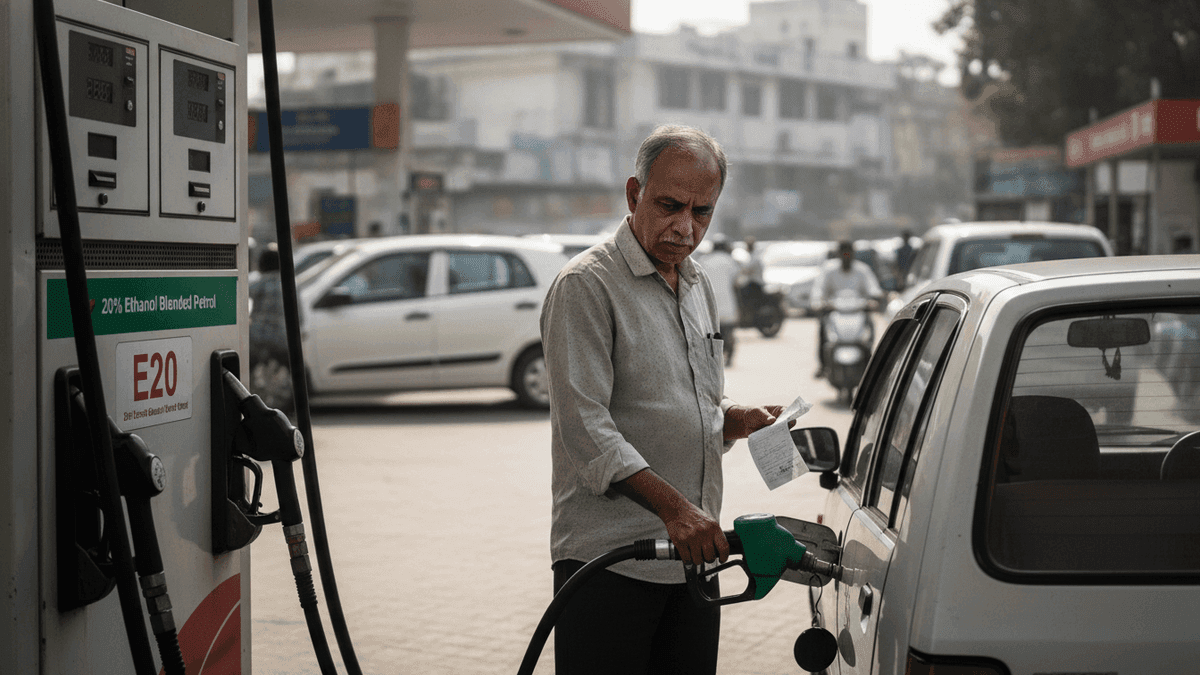
Arvind Kejriwal challenges 29 auto companies on E20 fuel’s impact on older vehicles, demanding clarity on mileage and potential damage compensation for owners.
🔥 Main Takeaway
Arvind Kejriwal is calling out 29 major auto companies over E20 fuel, demanding they clarify if older vehicles will suffer mileage drops or damage, and if they’ll pay for it.
📌 What Happened?
Kejriwal, from the Aam Aadmi Party (AAP), sent letters to 29 auto manufacturers, including Maruti, Toyota, and Hero.
He highlighted a major disconnect: companies publicly claim E20 is fine for older vehicles, but their owner’s manuals warn against fuel with over 10% ethanol (E10).
His core questions: Will companies compensate owners for mileage drops exceeding 10% when using E20 fuel?
Also, will they cover repair costs for any damage to vehicle components caused by E20 fuel?
AAP amplified the protest by sharing a mock “BJP Petrol Pump” receipt, suggesting consumers pay full price for diluted fuel leading to 20-30% mileage loss and higher maintenance.
💰 Why It Matters
This is a huge deal for millions of vehicle owners whose cars were made before 2023, facing potential unexpected costs and compromised vehicle performance.
Auto companies face a reputation hit and potential legal challenges if they don’t address the contradiction between marketing and owner’s manuals.
The controversy could erode consumer trust in both the auto industry and government fuel policies, impacting future vehicle sales and fuel adoption.
For investors, this signals regulatory risk and potential financial liabilities for automakers, especially those with large legacy vehicle fleets.
👀 What to Watch Next
Keep an eye on how the 29 auto companies respond to Kejriwal’s one-week deadline for clear, public statements.
Any moves by the government or regulatory bodies to mediate the dispute or issue clearer guidelines on E20 fuel compatibility.
The potential for consumer class-action lawsuits if vehicle owners experience widespread issues and companies refuse compensation.