

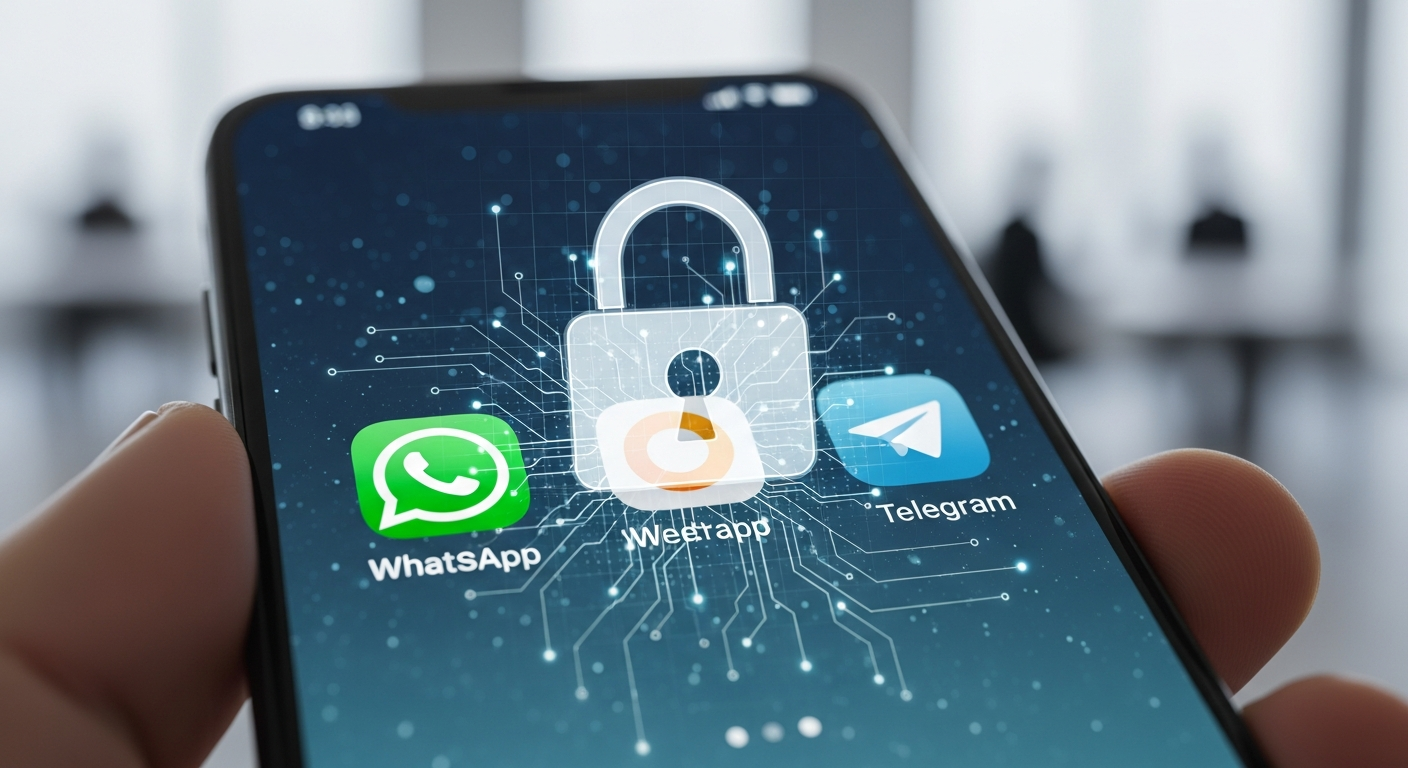







The Department of Telecommunications (DoT) has issued a directive mandating SIM binding for users of online messaging platforms, including WhatsApp and Telegram. This move, reported by Inc42 Media, aims to enhance user verification and potentially increase accountability on these platforms.
Context: The DoT’s decision reflects a broader trend of increased regulatory scrutiny of digital communication channels. SIM binding requires users to link their accounts to a mobile phone number verified by a SIM card. This policy change could have significant implications for how users access and utilize these messaging services.
Analysis: The implementation of mandatory SIM binding could impact user privacy and anonymity. While proponents argue it helps curb misuse and misinformation, critics suggest it could lead to increased surveillance. The move also raises questions about the operational challenges for platforms like WhatsApp and Telegram, which have large user bases globally. These platforms will need to adapt their verification processes to comply with the new regulations set forth by the DoT.
Implications: The primary implication is a potential shift in user behavior. Those prioritizing anonymity may seek alternative messaging platforms. The regulatory move could also influence the competitive landscape, potentially favoring platforms that already have robust verification systems in place. Furthermore, it sets a precedent for other countries considering similar regulations.
What Happens Next: The industry awaits further details on the rollout and enforcement of this mandate. Platforms affected will likely release statements outlining their compliance strategies and any potential impact on user experience. The long-term effects on user privacy, platform operations, and the overall telecommunications market will be closely watched.
Sources: