


 No Comments





There’s a certain feeling of relief when you see that minimum payment due on your credit card statement, isn’t there? It’s like, “Phew, I can handle that.” And honestly, it’s designed to feel that way. It keeps you from getting hit with late fees and keeps your credit report looking… well, not terrible.
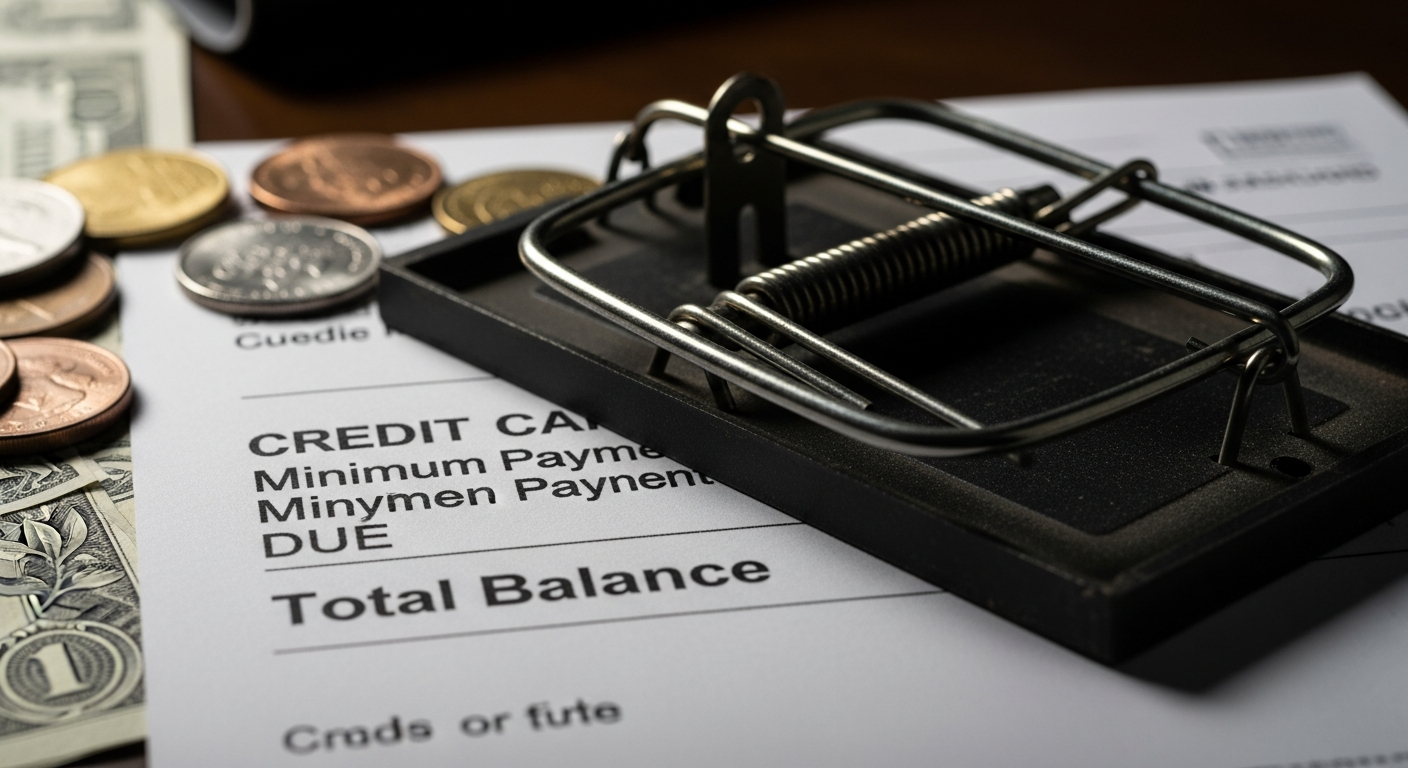
But here’s the thing: that minimum payment is a bit of a wolf in sheep’s clothing. It’s like a financial trap, and it’s surprisingly easy to fall in. I’ve been thinking about this a lot lately, and it’s pretty wild how something that seems so manageable can actually be so damaging. Paying the minimum due on your credit card might seem like a small thing, but it can seriously mess with your finances and your credit score.
The whole point of a credit card, I guess, is to give you a bit of financial flexibility. You can buy what you need (or want!) now and pay for it later. The problem is, “later” comes with a price tag – and that price is interest. When you only pay the minimum, you’re essentially saying, “Okay, I’ll pay the bare minimum right now, and the rest… well, I’ll pay later, with interest.” And that interest? It adds up. Fast.
Let’s say you’ve got a credit card with a balance and an interest rate of, say, 20%. You’re only paying the minimum each month. That minimum payment is usually a small percentage of your total balance – maybe 2% or 3%. So, you’re paying a little bit off the principal, but the interest keeps accruing. And because you’re not paying down the principal quickly, it takes ages to pay off the balance. Like, years. And you end up paying way more than the original purchase price.
Now, I’m not saying you should ignore your credit card bills. Not at all. Paying at least the minimum due is important. It helps you avoid late fees, which are, frankly, annoying. And it keeps your credit score from taking a nosedive. Missing payments can really hurt your score, and that impacts everything from getting a loan to renting an apartment. So, yes, always pay at least the minimum.
But if you’re *only* paying the minimum? That’s where things get tricky. That’s how you can end up in a cycle of debt that feels impossible to escape. The interest keeps piling up, and you’re essentially stuck paying for something long after you’ve already used it. It’s a never-ending loop.
The credit card companies know this. That’s why the minimum payment is so low, and why they make it so easy to pay. They want you to keep using the card and keep paying interest. It’s their business model, after all. But that doesn’t mean it’s good for *your* business (aka your finances).
So, what can you do? Well, the best thing, obviously, is to pay more than the minimum. Even a little extra each month can make a huge difference in how quickly you pay down your balance and how much interest you pay overall. If you can, try to pay off the balance in full each month. That way, you avoid interest charges altogether.
There are other things you can do, too. Consider transferring your balance to a credit card with a lower interest rate, or even a 0% introductory rate. Just be aware of the fees involved. You could also try creating a budget and tracking your spending. That way, you’ll know where your money is going and where you can cut back. And honestly, it’s a good idea, in general, to use credit cards responsibly. Don’t spend more than you can afford to pay back quickly.
It’s all about making informed choices. It’s about being aware of how credit cards work, and how they can both help and hurt you. It’s about taking control of your finances, instead of letting your finances control you. It’s a lot to think about, right?
Anyway, that’s how it seems to me.