


 No Comments




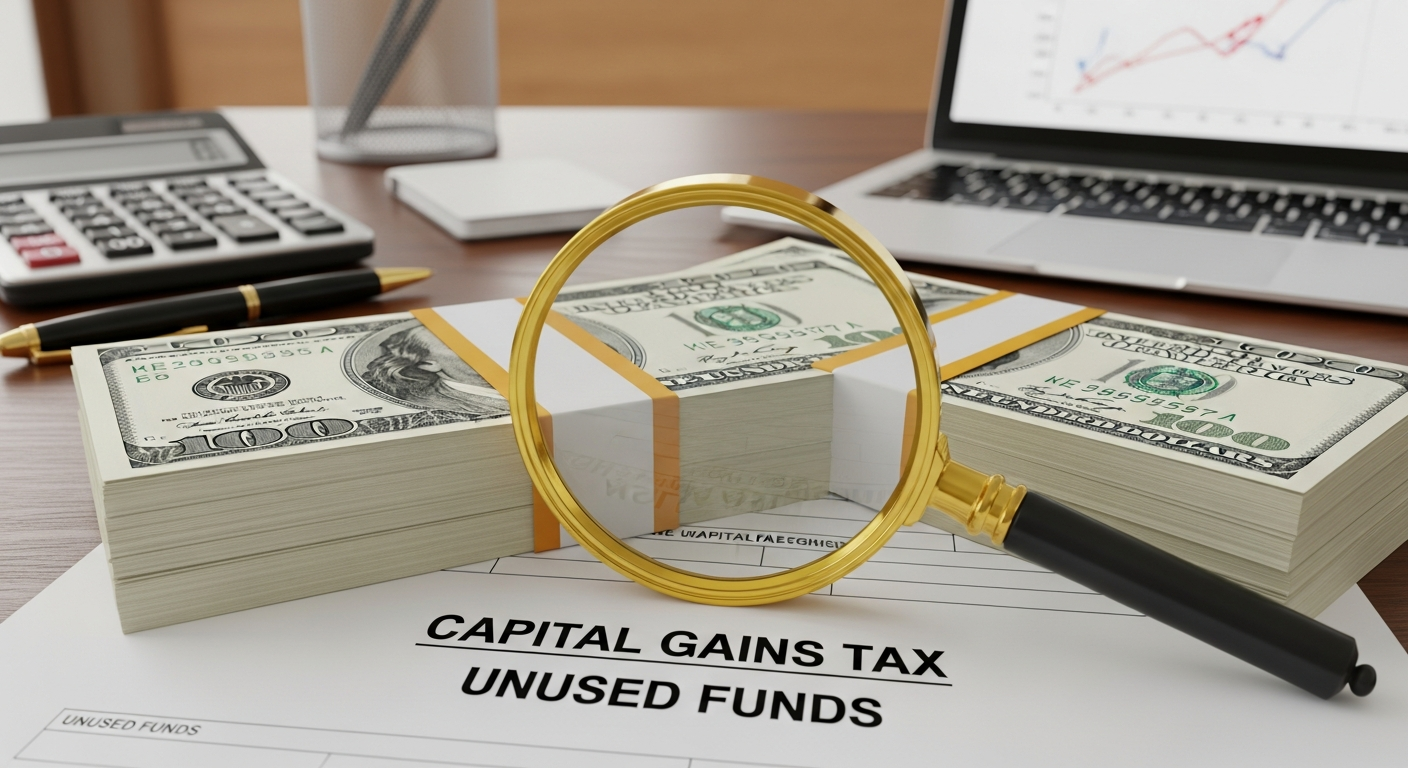
The clock’s always ticking, isn’t it? Especially when it comes to taxes. I was reading up on the Capital Gains Account Scheme, or CGAS, the other day, and it struck me how easily things can get complicated. Specifically, the tax on those funds if you don’t use them the way you planned.
It’s all about what happens to the money you parked in CGAS. The government, as per the rules, allows you to deposit the capital gains from the sale of a property to avoid immediate tax. But there’s a catch, of course. You’ve got to use that money to buy or build a house within a certain timeframe.
The critical date here, as per the recent reports I’ve been looking at, is July 23, 2024. If you deposited funds before that, you need to pay close attention. If the funds aren’t utilized within the time limits, the Long Term Capital Gains, or LTCG, that you initially avoided become taxable.
Seems straightforward enough, right? Deposit, invest, get a house, and everyone’s happy. But life, as we know, often gets in the way. Maybe the construction got delayed. Perhaps the property market went sideways. Or, well, anything at all. In any case, the taxman cometh, eventually.
A finance official, speaking on condition of anonymity, explained to me that, “The intention of the scheme is to encourage investment in real estate. The tax benefit is conditional.” That’s the crux of it, really. The benefit isn’t a free pass.
So, what does this actually mean for you? Well, it means that the LTCG, which you didn’t have to pay tax on earlier, now becomes taxable. The exact amount depends on your individual circumstances, like the initial capital gains amount and your tax bracket, for sure. But the bottom line? You could owe a significant amount.
It’s a bit of a balancing act, isn’t it? Trying to make smart investment decisions while keeping an eye on the tax implications. The rules are there, and they’re pretty clear. Still, it’s easy to get caught out.
And remember, the specifics can be tricky. Best to consult with a tax advisor, if you are unsure. Better safe than sorry, I guess.