

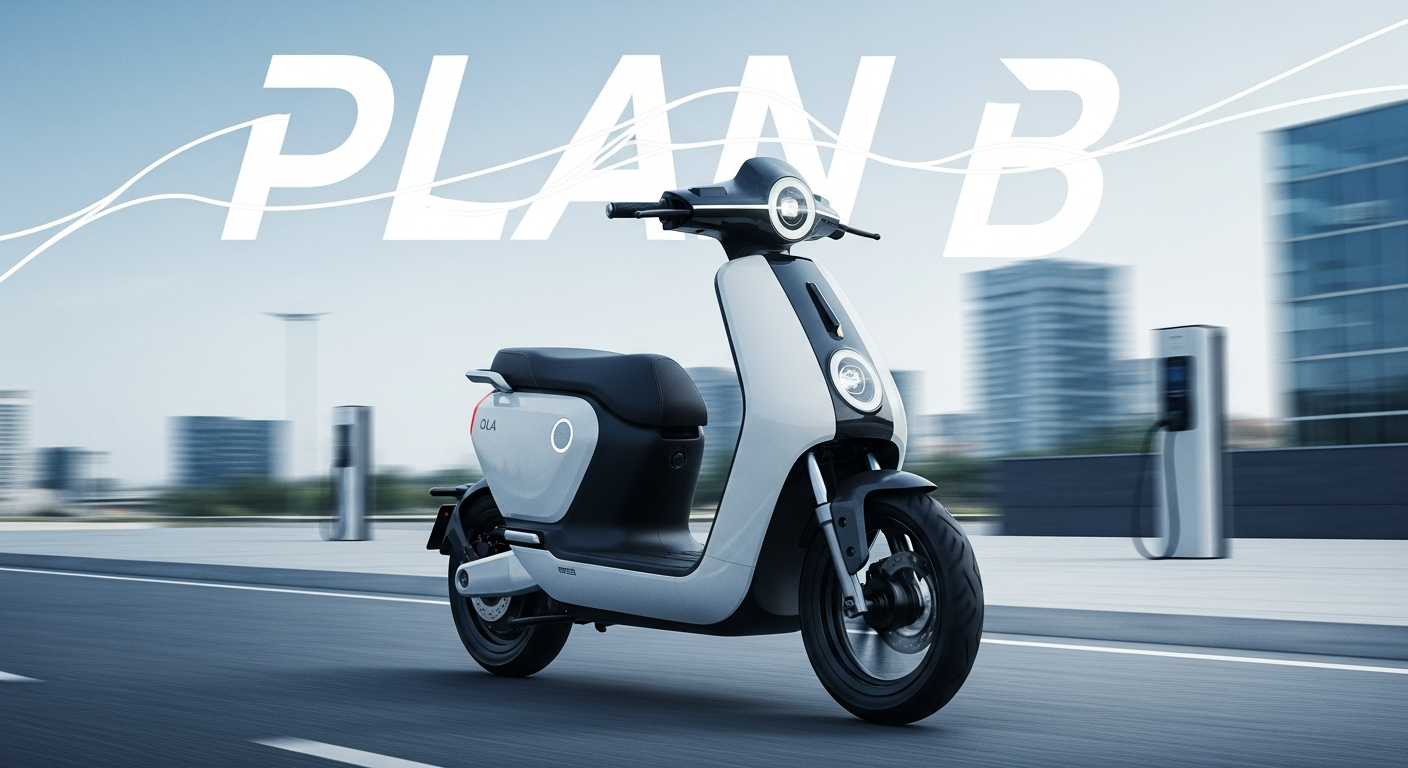







When a hero product begins to wobble, the founder’s first instinct is almost always the same: pull the pivot lever. This seems to be the current situation for Ola Electric, as it navigates a shifting landscape in the electric vehicle (EV) market. The company, known for its electric scooters, is reportedly adjusting its strategy with a ‘Plan B’.
Context: The EV market is dynamic, with changing consumer preferences, increased competition, and evolving regulatory frameworks. Ola Electric, like other startups in the space, must adapt to these shifts to maintain its market position and growth trajectory. The need for a ‘Plan B’ suggests that the company’s initial strategy, centered around its hero product, the electric scooter, may require adjustments.
Analysis: The implementation of a ‘Plan B’ signifies a strategic pivot. While specific details of Ola Electric’s ‘Plan B’ are not fully available, it likely involves diversification, new product offerings, or adjustments to its market approach. This could include expanding into new vehicle segments, enhancing its charging infrastructure, or refining its sales and distribution channels. The founder’s response to challenges often dictates the company’s future. The effectiveness of this ‘Plan B’ will depend on how well Ola Electric understands the evolving market, its ability to execute the new strategy, and its capacity to adapt to future changes.
Implications: The success or failure of Ola Electric’s ‘Plan B’ will have several implications. First, it will impact the company’s financial performance and valuation. Second, it will influence investor confidence in the EV market, especially for startups. Finally, it will shape the competitive landscape, potentially affecting the market share of established players and other startups. This strategic pivot highlights the need for startups to remain flexible and responsive to market dynamics.
Keywords: Ola Electric, startup, pivot, strategy, electric vehicles, business, founder, Plan B, analysis, market