


 No Comments





There’s been a quiet shift happening. You know, that feeling when something’s off, and you can’t quite put your finger on it? Well, in the world of personal finance, that “something” could be errors lurking in your credit report. And honestly, it’s a bigger deal than you might think.
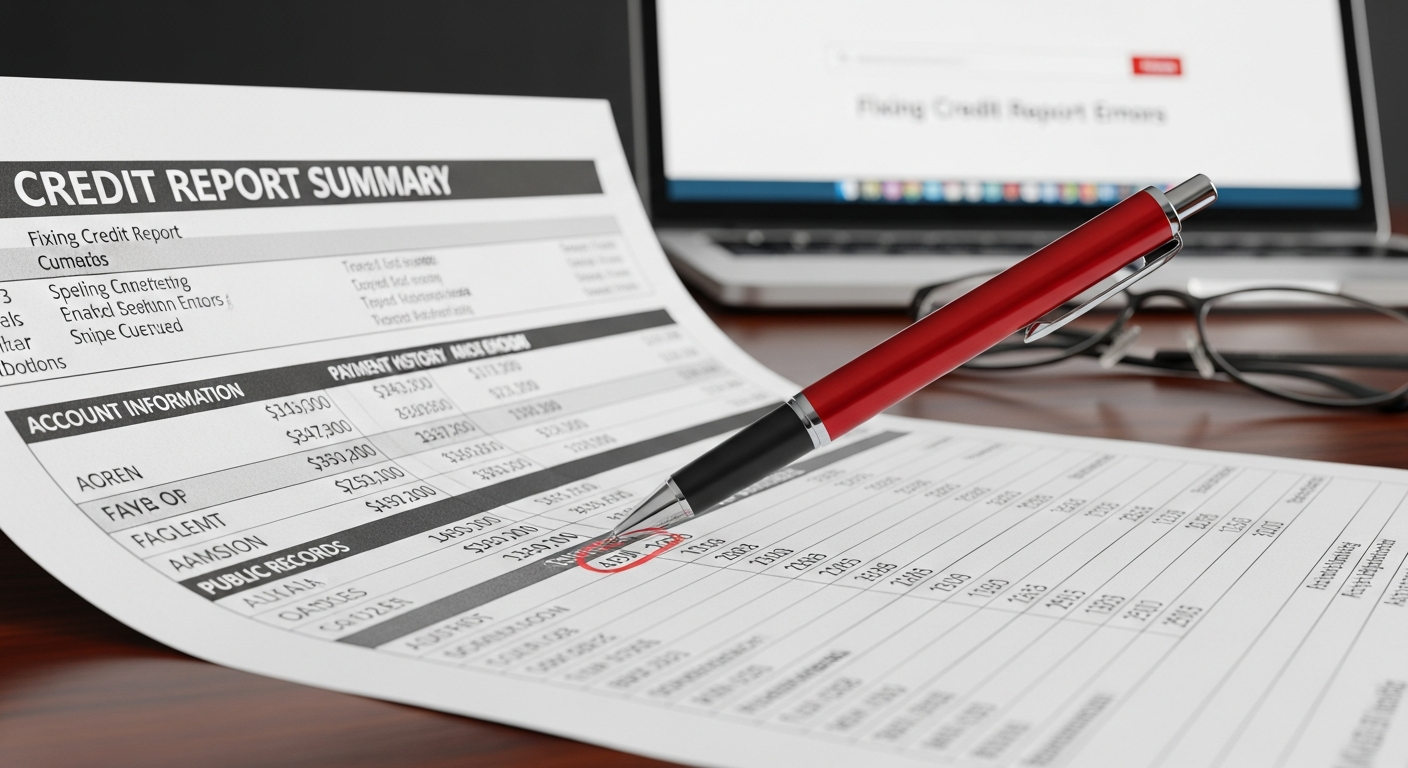
See, your credit report is basically a financial report card. It’s what lenders look at when you apply for a loan or a new credit card. It details your payment history, how much debt you have, and other crucial financial information. But what happens when that report card has mistakes? That’s where things can get tricky.
So, why should you care? Because those errors can seriously mess with your credit score. A lower score means higher interest rates on loans, or worse, getting denied altogether. It’s a domino effect, really. But the good news is, you can fight back. You can dispute those errors, and it’s actually pretty straightforward.
Why Bother Disputing?
Let’s be real, life is complicated, and mistakes happen. Maybe a payment was reported late, even though you paid on time. Or perhaps an account isn’t yours, but it’s showing up on your report. These inaccuracies can drag down your score, and that’s the last thing you want. Disputing these errors is a key step in maintaining your financial health. It’s about ensuring the information lenders see is accurate.
And honestly, it goes beyond just getting a loan. A good credit score can affect everything from your insurance rates to whether you get approved for a rental apartment. So, it’s about your financial well-being overall, not just a single loan or credit card.
So, how do you do it? Well, it’s a process, but it’s totally manageable.
First, you’ll need to get a copy of your credit report. You can get a free one from each of the three major credit bureaus – Experian, Equifax, and TransUnion – every year at AnnualCreditReport.com. Once you have your report, go through it line by line. Look for anything that seems off – incorrect balances, accounts you don’t recognize, or late payments you know you made on time.
Next, you’ll need to gather any documentation that supports your claim. This could be copies of bank statements, payment confirmations, or anything else that proves the information is wrong. Keep everything organized, it’ll make the process smoother.
Now, it’s time to dispute the errors. You can do this online, by mail, or by phone. Each credit bureau has its own process, so check their websites for specific instructions. Generally, you’ll need to provide your name, address, the specific information you’re disputing, and any supporting documentation.
The credit bureau will then investigate your dispute. They’ll contact the company that provided the information and ask them to verify it. By law, they have a certain amount of time to do this – usually about 30 to 45 days. If the information is found to be inaccurate, it must be corrected or removed from your report.
What if the credit bureau doesn’t agree with you? You have options. You can provide additional information, or you can ask the credit bureau to include a statement of your dispute in your credit report. This way, potential lenders will see your side of the story.
Disputing errors in your credit report is a crucial step in maintaining financial health. It helps you protect your credit score, which, in turn, impacts your ability to get loans and credit cards. It’s a proactive measure that can save you money and headaches in the long run.
So, take control of your financial future. Check your credit report regularly, dispute any errors, and keep an eye on your financial well-being. It’s easy to see why.